I was recently walking through a small, manicured park in the city, my mind a tangle of deadlines and notifications, when I noticed an elderly man tending to a single rose bush in a public plot. He wasn't just weeding; he was moving with a quiet reverence, his hands gently turning the soil as if in conversation with the plant. The scene stopped me. It was a small act, but it felt profound—a living example of the deep, often unspoken, relationship between humanity and the natural world. This moment highlights the core of nature-based cultural practices and their mental health benefits, a topic gaining significant recognition in our search for modern wellness. As our lives become increasingly urbanized and digitally mediated, these practices offer not an escape, but a way to reconnect with something essential.
While mental health discussions have become more open, many mainstream wellness solutions remain disconnected from the cultural and environmental contexts that shape us. We are often encouraged to look inward, optimizing our minds as if separate from the world. However, wellness also encompasses our ecology. Nature-based interventions (NBIs) are recognized for promoting mental health and well-being, offering a framework that bridges this gap by linking our internal landscapes to external ones. Healing can be found in the rustle of leaves, the smell of damp earth, and shared rituals that honor these connections.
What Are Nature-Based Cultural Practices?
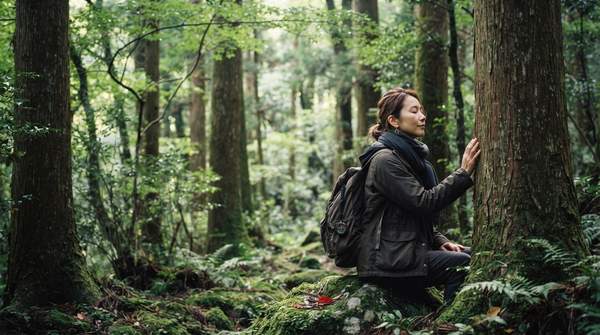
Nature-based cultural practices are structured activities and traditions that intentionally use engagement with the natural world to foster physical, mental, and social well-being. Think of them not as simply "going for a walk," but as a form of dialogue with nature, guided by cultural wisdom and intention. This approach is rooted in the understanding that humans are not separate from the environment but are an integral part of it. The "cultural" aspect is key; it provides the language, rituals, and communal context that transform a simple act into a meaningful practice. It’s the difference between looking at a forest and participating in the Japanese practice of shinrin-yoku, or "forest bathing," which involves a mindful, sensory immersion in the woodland atmosphere.
According to a comprehensive Delphi expert elicitation process published in a 2019 article on Nature–Based Interventions for Improving Health and Wellbeing, a panel of 19 experts from seven countries identified 27 distinct Nature-Based Interventions. This research underscores the vast and varied landscape of these practices. Generally, they fall into two broad categories:
- Practices that change the environment: These interventions involve actively shaping our surroundings to bring nature closer to us. This could include creating community gardens in urban food deserts, designing therapeutic or sensory gardens in hospitals and care facilities, or revitalizing city parks to serve as accessible green sanctuaries. The goal is to make nature an ambient, supportive presence in our daily lives.
- Practices that change behavior: These interventions focus on engaging people through organized programs and activities. They are designed to be structured, often with a specific therapeutic goal in mind. Examples include therapeutic horticulture, animal-assisted therapy, green exercise programs, and wilderness therapy. These activities encourage active participation and skill-building within a natural setting.
From the Scandinavian concept of friluftsliv ("open-air living"), which emphasizes spending time outdoors as a way of life, to Indigenous traditions that revere the land as a source of spiritual and physical nourishment, cultures around the world have long recognized this connection. These practices are not new-age inventions but are often modern adaptations of ancient wisdom. They remind us that our well-being is tied to the health of our planet and our communities, offering a more holistic and integrated vision of what it means to be well.
What Are the Psychological Benefits of Nature-Based Cultural Practices?
Research into nature engagement reveals a multitude of psychological benefits, reinforcing centuries of cultural knowledge. These practices address physiological stress responses, emotional states, and the need for social connection on multiple levels. Stepping into a natural environment with intention creates conditions for minds and bodies to regulate and restore themselves. These benefits are not merely anecdotal; they are increasingly documented and understood through scientific inquiry.
One of the most immediate effects is stress reduction. According to information from the University of Nebraska-Lincoln, being in nature has been reported to lower levels of cortisol, the primary hormone associated with stress. High cortisol levels are linked to a range of health issues, including anxiety and depression. The calming sensory inputs of nature—the gentle sounds, the soft light filtering through leaves, the complex patterns in a flower—can help shift our nervous system from a state of high alert ("fight or flight") to one of rest and recovery. This physiological shift creates a foundation for improved mental clarity and emotional stability.
Beyond stress relief, a deeper connection with nature is associated with a more positive outlook on life. Research highlighted by the Mental Health Foundation in the UK shows that people who feel more connected with the natural world tend to be happier and are more likely to report that their lives feel worthwhile. This sense of connection can foster feelings of awe, gratitude, and belonging, which are powerful antidotes to the alienation and loneliness that can pervade modern life. It shifts our perspective from our immediate, personal concerns to a much larger, interconnected web of life, which can be profoundly comforting and grounding.
Furthermore, nature-based practices often incorporate a crucial social element. A study on structured nature walks for patients with chronic mental illness, detailed by Charles Sturt University, found that the social interaction within the natural setting was considered instrumental in mental health recovery. The shared experience of walking together, observing the environment, and engaging in light conversation creates a supportive community. Nature provides a neutral, calming backdrop that can facilitate easier and more meaningful social connections than more sterile, clinical environments. It allows people to connect not just with nature, but with each other.
How to Integrate Nature-Based Practices Into Modern Wellness
Integrating these practices into a busy, modern life doesn't require a pilgrimage to remote wilderness. The art lies in finding accessible, sustainable ways to weave nature into daily routines. The key is shifting from passive appreciation to active, intentional engagement, regardless of scale. This begins with small, deliberate actions that accumulate over time, building a stronger, more resilient connection to the natural world.
One powerful model comes from the clinical integration of structured programs. The Charles Sturt University study, for example, successfully implemented Nature Walking Groups (NWGs) for mental health patients. Participants attended weekly one-hour walks for 12 weeks, demonstrating that even a modest, consistent commitment can yield positive impacts. We can adapt this model for our own lives by scheduling a "nature appointment" each week—a dedicated hour to walk in a park, sit by a river, or visit a botanical garden without the distraction of phones or podcasts. Joining or starting a local walking or gardening group can also provide the structure and social support that makes the practice stick.
For the vast majority of us living in urban environments, the city itself must become our ecosystem. Research is increasingly investigating the role of urban parks as nature-based solutions for mental health, as noted in a 2024 study in the journal Arboriculture & Urban Forestry. This affirms that we don't need pristine landscapes to reap the benefits. We can practice "micro-dosing" nature by:
- Paying attention to street trees: Learn to identify the species on your block. Notice how they change with the seasons.
- Creating a small green space: Even a few pots on a windowsill or balcony can provide a daily connection to the life cycle of plants.
- Finding a "sit spot": Choose a bench in a local park or a quiet corner of a public square to visit regularly for just a few minutes, simply observing the flow of life around you.
- Seeking out blue spaces: If you live near a river, lake, or coast, make time to be near the water, which has its own unique calming effects.
Finally, we can explore the cultural dimensions of these practices. What are the traditions connected to nature from your own heritage? Perhaps it’s a seasonal festival, a traditional recipe using local plants, or ancestral stories about the land. Reconnecting with these roots can provide a deep sense of identity and belonging. If your heritage feels distant, you can learn about the practices of the place where you now live, including the traditions of the local Indigenous peoples, approaching them with respect and a desire to learn. This cultural lens transforms nature from a generic wellness resource into a place of story, history, and meaning.
Why This Matters: Reclaiming Our Connection
Our relentless pursuit of progress has engineered lifestyles that increasingly insulate us from the natural world, with climate-controlled homes, sealed offices, and screen-based socialization. While these advancements offer comforts, they also contribute to a growing mental health crisis through urbanization, chronic stress, and social isolation. The turn toward nature-based practices is not a regression, but a necessary rebalancing to address these modern challenges.
Engaging with nature-based cultural practices reclaims a fundamental, neglected part of our human identity. It challenges the notion that well-being is found solely in an app, a supplement, or a productivity hack, suggesting instead that healing is found in reciprocity—tending to the earth as it tends to us. This asks us to slow down, observe, and participate in life cycles larger than our immediate concerns, offering stability and perspective in a fragmented world.
Frequently Asked Questions
What is an example of a nature-based intervention?
A nature-based intervention is a structured program that uses nature to achieve a specific health or well-being goal. A great example is therapeutic horticulture, where individuals engage in gardening activities under the guidance of a trained therapist to improve their mental or physical health. Another is a structured green exercise program, such as the Nature Walking Groups used in a clinical setting, which combines physical activity, social interaction, and nature immersion to support mental health recovery.
How much time in nature is needed for mental health benefits?
While the ideal amount of time for nature engagement varies by individual needs, research suggests consistency is more important than duration. For instance, one successful program involved weekly one-hour walks. The key is to make nature engagement a regular part of your routine, whether it's 20 minutes in a park a few times a week or a longer weekend excursion, to build a sustained, intentional relationship with the natural world.
Do you need to be in a wilderness area to get nature's benefits?
No, you do not need to be in a remote wilderness to experience the mental health benefits of nature. Research on urban green spaces confirms that accessible nature is highly valuable. City parks, tree-lined streets, community gardens, and even indoor plants can provide meaningful connection and restoration. The benefits come from the quality of your attention and your intention to connect, not necessarily the grandeur or remoteness of the location.
What is the difference between nature therapy and just spending time outside?
While simply spending unstructured time outside is beneficial for well-being, nature therapy (or a nature-based intervention) is typically more structured, intentional, and often guided. It is a therapeutic approach that uses specific activities and frameworks to address particular health goals, such as reducing anxiety, processing trauma, or improving social skills. It's the difference between a casual stroll and a guided, mindful walk designed to engage all your senses and facilitate a deeper therapeutic process.
The Bottom Line
Nature-based cultural practices offer an accessible pathway to improved mental health in our complex modern world. They emphasize that well-being is not a commodity to be purchased, but a relationship to be cultivated—with ourselves, our communities, and the living world. Intentionally integrating these practices into our lives fosters a more grounded, resilient, and connected way of being.