When a public figure dons a particular garment, what are we truly observing? Beyond the silhouette and the shade, a piece of clothing can serve as a complex text, articulating a narrative of heritage, ecology, and economic exchange. The growing conversation around the cultural significance of sustainable fashion traditional craftsmanship modern design asks us to look deeper, to see not just a product but a process—one that weds the ancestral knowledge of artisans with the pressing contemporary need for environmental stewardship. It is a movement that suggests the future of fashion may, paradoxically, lie in its past.
The modern apparel industry stands at a critical juncture, reckoning with the well-documented environmental and social costs of its dominant "fast fashion" model. In response, a powerful counter-current has emerged. This movement, broadly termed sustainable fashion, does not merely look forward to technological innovation for its solutions. Instead, it engages in a thoughtful dialogue with history, recognizing that many traditional, pre-industrial methods of textile production were inherently more harmonious with the natural world. It is within this context that the fusion of heritage craft and eco-conscious design becomes not a nostalgic gesture, but a radical proposition for a more equitable and meaningful industry.
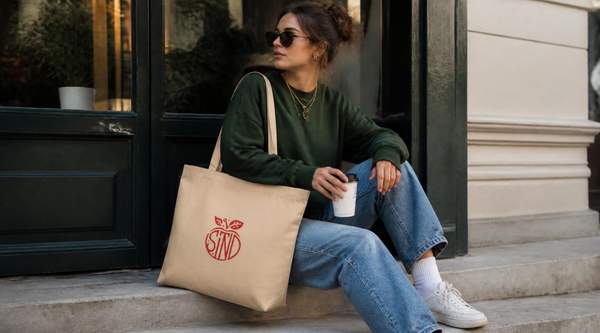
What Is Sustainable Fashion's Cultural Dimension?
The cultural dimension of sustainable fashion is an approach that integrates environmental and ethical considerations with the preservation and celebration of cultural heritage and traditional craftsmanship. It reframes the production of clothing as an act of cultural continuity rather than one of mere consumption. This perspective argues that how we make our clothes is as important as what they are made of, asserting that the human stories, skills, and histories woven into a garment are a crucial component of its value.
One might draw an analogy to the Slow Food movement, which rose in opposition to the homogenization of global food systems. Just as Slow Food champions local cuisines, traditional farming methods, and biodiversity, the cultural arm of sustainable fashion champions the unique textile traditions of communities around the world against the tide of mass-produced, standardized apparel. According to a report from RealThread, this approach inherently values craftsmanship and artisan techniques, which in turn helps preserve cultural heritage and promote diversity in design. The core tenets of this philosophy can be understood through several key components:
- Preservation of Heritage Crafts: It actively supports and provides a market for ancestral skills like hand-weaving, natural dyeing, block-printing, and intricate embroidery, preventing them from vanishing in the face of industrial manufacturing.
- Economic Empowerment: By creating demand for these skills, it provides sustainable livelihoods for artisan communities, often in rural areas. This focus on fair and ethical practices ensures artisans receive fair wages and work in safe conditions, fostering economic stability.
- Promotion of Cultural Diversity: It challenges the monolithic aesthetic often propagated by global fashion trends, instead celebrating a plurality of cultural expressions and design languages. This adds a unique richness and authenticity to the fashion landscape.
- Ethical Storytelling: It emphasizes the importance of knowing the origin of our clothes—who made them, where, and how. This transparency connects the consumer to the producer, transforming an anonymous transaction into a relationship rooted in respect and appreciation.
How Traditional Craftsmanship Enhances Eco-Conscious Design
One must consider the dialectical relationship between traditional craftsmanship and modern ecological principles. Far from being anachronistic, many heritage techniques are models of sustainable practice. They evolved over centuries in close relationship with specific ecosystems, utilizing local, renewable materials and generating minimal waste. An article on cultural integrity in fashion notes that ethnic cultures often provide profound insights into clothing production practices that coexist harmoniously with nature, moving beyond mere skills and patterns to embody a philosophy of balance.
This inherent sustainability manifests in several ways. Traditional dyeing processes, for example, often use plant-based or mineral pigments, avoiding the toxic chemical runoff associated with synthetic dyes. Hand-loomed textiles require no electricity, significantly reducing the carbon footprint of fabric production. Furthermore, the emphasis on quality and durability in handcrafted goods stands in stark opposition to the disposable nature of fast fashion. A hand-embroidered garment is not designed to be worn for a single season; it is an investment, an heirloom intended to be cared for and passed down. This extends the life cycle of the product, which is a cornerstone of sustainable design.
This integration adds not only ecological but also aesthetic and emotional value. It imbues a modern garment with a sense of history and human touch, making it unique and authentic. Events like the "By Hand From The Heart Makers Market" in Chennai, described as a journey through artisan culture and sustainable design, exemplify the growing consumer interest in products that tell a story. By choosing a piece that showcases a specific weaving technique from a particular village, a consumer is not just buying a piece of clothing; they are participating in the preservation of a living cultural tradition.
Integrating Heritage Techniques while Navigating Cultural Sensitivities
The process of integrating heritage techniques into modern fashion is not without its complexities. It behooves us to examine the critical distinction between cultural appreciation and cultural appropriation. As indigenous and traditional textiles gain visibility on the global stage, there is a palpable risk, as noted in a piece on Medium, that they become commodified—stripped of their sacred or communal meaning and reduced to a mere "exotic" aesthetic for a Western market. This can perpetuate colonial dynamics, where the creative and intellectual property of marginalized communities is extracted without proper credit or compensation.
A truly sustainable approach must therefore be grounded in respect, collaboration, and equity. Cultural sustainability, as a principle, suggests that one generation should only use and adapt cultural heritage to the extent that it allows future generations to understand and preserve its rich diversity. In fashion, this means moving beyond simply borrowing a motif or a pattern. It requires designers to engage in deep, respectful partnerships with artisan communities, ensuring they are treated as collaborators and primary beneficiaries, not just suppliers. This involves transparent communication, fair payment, and a commitment to crediting the source of the craft.
A reported example of this synergy can be seen in public appearances like that of Priyanka Chopra, who, according to PressReader, wore a blush-pink suit from the designer Torani at the Golden Temple. The attire was presented as a celebration of both sustainable fashion and cultural heritage, showcasing how a modern design can serve as a platform for traditional Indian craftsmanship. When executed with integrity, such collaborations can be mutually beneficial, providing artisans with access to new markets while enriching the global fashion vocabulary with their unique skills and perspectives.
Why the Cultural Significance of Sustainable Fashion Matters
Sustainable fashion directly corrects the alienation of modern consumerism by re-emphasizing craftsmanship and origin. For decades, the dominant fashion system obscured clothing's origins, presenting it as a finished, almost magical product divorced from the human hands and natural resources that created it. This cultural turn re-enchants the objects we live with every day, extending its implications beyond the industry itself.
Sustainable fashion offers a model for a decentralized, pluralistic global economy, demonstrating value creation through human skill, cultural identity, and ecological wisdom, rather than just industrial scale. Supporting this model directly impacts local communities, as RealThread reports, fostering better livelihoods and preserving cultural legacies. This broader definition of "value" extends beyond a simple price tag to include cultural resilience, environmental health, and human dignity.
Choosing a garment that carries the story of a specific place and a specific craft is a quiet but firm declaration for a world of diversity, not uniformity; of connection, not anonymity. This choice acknowledges that the threads clothing our bodies can also be the threads that bind us more closely to one another and to the planet we share, reflecting a compelling narrative.
Frequently Asked Questions
What is the difference between sustainable fashion and ethical fashion?
While often used interchangeably, sustainable and ethical fashion have distinct focuses that frequently overlap. Sustainable fashion primarily addresses environmental impact, concerning itself with materials, production processes, water usage, and carbon footprint. Ethical fashion concentrates on the social and human aspect, focusing on labor rights, fair wages, safe working conditions, and the prohibition of child or forced labor. The support of traditional craftsmanship is a key area where the two converge, as it typically involves both eco-friendly practices and fair compensation for artisans.
How can consumers support traditional craftsmanship in fashion?
Consumers support traditional craftsmanship by cultivating curiosity and seeking information about clothing origins. This involves researching brands transparent about their supply chains and partnerships with artisan communities. Shopping from artisan-direct marketplaces, small independent designers, and certified fair-trade labels ensures a greater portion of profit reaches the makers. Ultimately, the most impactful approach is shifting one's mindset from quantity to quality, investing in fewer, well-made pieces cherished for their story and durability.
What is cultural appropriation in fashion?
Cultural appropriation in fashion refers to the act of taking or using elements—such as symbols, aesthetics, or traditional attire—from a culture that is not one's own, particularly a marginalized culture, without permission, understanding, or credit. This act often strips the elements of their original context and significance, reducing them to a superficial trend. It differs from cultural appreciation, which involves respectful and informed engagement, often through collaboration and with the consent and benefit of the source community.
Why is preserving heritage crafts important?
Heritage crafts are crucial because they are living libraries of cultural knowledge, embodying history, identity, and unique worldviews passed down through generations. These crafts represent sophisticated systems of ecological knowledge, material science, and artistic expression. Their preservation ensures cultural diversity, provides economic self-sufficiency for communities, and offers valuable, time-tested models of sustainability that can inform and inspire contemporary design.
The Bottom Line
The cultural dimension of sustainable fashion represents a profound shift, re-infusing a global industry with meaning by connecting environmental responsibility to the preservation of human heritage. By valuing traditional craftsmanship, designers and consumers can support a more equitable, diverse, and beautiful fashion ecosystem. The most immediate takeaway is to consider the story behind our clothes, recognizing them not as disposable goods but as artifacts of culture and connection.