Fashion

The Algorithmic Pulse: How Social Media Reshapes Fashion's Micro-Trends

From irregular stripes to polka dots, a new data-driven analysis reveals how social media platforms are accelerating fashion's micro-trends and fundamentally reshaping consumer purchasing behavior.

EV
Eleanor Voss

April 7, 2026 · 7 min read

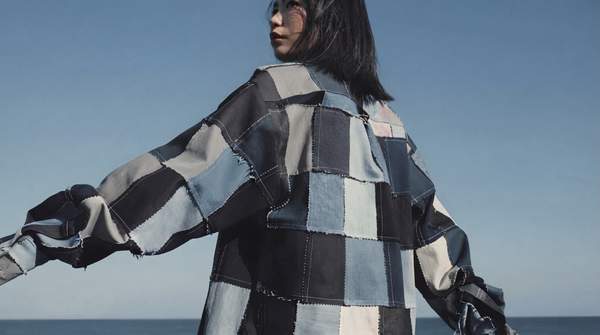
A visually striking image showing models in various micro-trend outfits, with digital data streams and algorithmic patterns subtly integrated, representing social media's impact on modern fashion trends.

One might not immediately associate irregular horizontal stripes with a paradigm shift, yet a recent forecast suggests they are poised for a +10% growth in menswear in the third quarter of 2026. This seemingly minor data point is, in fact, a signal flare illuminating a profound transformation in our cultural consumption. An in-depth, data-driven analysis of how social media influences fashion micro-trends and consumer behavior reveals a system where the traditional, seasonal cadence of style has been supplanted by a frenetic, algorithmically-driven pulse. This new metabolism of taste is not merely faster; it is fundamentally different, reconfiguring the relationship between designer, consumer, and the very concept of a trend.

The core of this change lies in the dramatic acceleration of the trend lifecycle, compressed from seasons into weeks, or even days. The stately procession of Spring/Summer and Fall/Winter collections, once the undisputed arbiters of what was to come, now finds itself in a constant, reactive dialogue with a chaotic, decentralized network of digital tastemakers. What was once a monologue from the runway has become a cacophony of peer-to-peer validation, and the data bears this out with startling clarity.

Data Analysis: Social Media's Impact on Fashion Industry Trends

To comprehend the sheer velocity of this new cycle, one must turn to the predictive analytics that have emerged to map it. Trend forecasting firm Heuritech, which builds its models by combining large-scale image data from social platforms with fashion expertise, provides a granular view of this acceleration. Their data indicates that certain aesthetics are not just growing, but surging with a velocity previously unimaginable. For instance, "Big Dots" are forecasted to experience a staggering +147% surge in Q4 2026, with a projected +43% growth over the subsequent twelve months, marking them as a defining womenswear pattern. Similarly, draped elements in womenswear are projected to see a +7% overarching growth in the next year.

These are not vague stylistic drifts; they are quantifiable micro-trends with specific trajectories, timelines, and magnitudes. The menswear projection for irregular horizontal stripes, with its +5% growth over the next year, further illustrates the specificity of this phenomenon. The very existence of such precise, data-driven forecasting speaks to a new reality. Legacy institutions are taking note; as reported by Vogue Business, the publication now actively tracks trends on TikTok, acknowledging the platform as a primary engine of stylistic innovation. The dialectical relationship here is clear: the platforms generate the data, which is then analyzed by forecasters, which in turn informs the brands that produce the garments, which are then showcased on the very platforms that began the cycle. It is a closed, self-referential, and incredibly rapid loop.

Forecasted Micro-TrendProjected GrowthTimeframeCategory
Big Dots+147% surge, +43% overallQ4 2026 / Next 12 monthsWomenswear
Irregular Horizontal Stripes+10% growth, +5% overallQ3 2026 / Next 12 monthsMenswear
Draped Elements+7% growthNext 12 monthsWomenswear

The Influence of Social Media on Consumer Purchasing Behavior in Fashion

The acceleration of trends is merely a symptom of a deeper, more fundamental shift in the architecture of desire. The true transformation lies in how social media platforms influence fashion consumer behavior, dismantling long-held assumptions about brand loyalty and purchasing intent. According to an analysis by indexbox.io, this evolution is propelled by a "fundamental shift in consumer behavior, where digital discovery and validation via social media and online reviews erode traditional brand loyalty." The implications of this are far-reaching. The consumer journey no longer begins with a magazine spread or a window display; it begins in the infinite scroll of a feed.

This digital-first discovery process fosters a new kind of consumer logic, one exemplified by the explosive growth of the "dupe" market. Dupes—affordable alternatives to high-end products—are not a new phenomenon, but their cultural and economic significance has been magnified exponentially by social media. Platforms like TikTok and Instagram, as noted by both indexbox.io and a study from Fibre2Fashion, facilitate "rapid trend dissemination and peer validation." A user can see a luxury handbag in one post and a visually identical, far cheaper alternative in the next, complete with reviews, try-on videos, and direct links to purchase. This collapses the consideration phase of a purchase and replaces the aura of brand heritage with the immediate gratification of peer-endorsed access.

The data on where these transactions occur is telling. Online Marketplaces and Social Commerce is the primary engine for dupe discovery and sales, estimated by indexbox.io to hold a 38% market share. This confirms that the platforms are not just sites of inspiration but are increasingly becoming integrated points of sale. The consumer is no longer a passive recipient of trends but an active participant in a digitally-mediated marketplace where value is determined less by brand prestige and more by aesthetic alignment and community consensus.

Who's Affected: The Strategic Consumer and the Reactive Brand

The primary actor affected by this shift is the consumer, who is being reshaped into a more strategic, analytical, and arguably more cynical participant in the market. The growth in the dupe economy is described by indexbox.io as "increasingly benefit-led," with consumers "strategically curating hybrid routines." This language suggests a departure from blind brand allegiance. The modern consumer might pair a genuine luxury watch with a fast-fashion blazer that perfectly captures a fleeting micro-trend, seeing no contradiction. This is a form of sartorial arbitrage, where the individual’s personal brand is curated from a pastiche of sources, unified not by a designer label but by the coherence of a personal algorithm.

This, of course, places immense pressure on brands, both luxury and mass-market. Luxury houses, whose value is predicated on scarcity, heritage, and a carefully controlled narrative, now see their designs disseminated and democratized—or, less charitably, copied—at light speed. Their carefully constructed seasonal stories are chopped into decontextualized "aesthetics" and "cores" online. For fast-fashion and mass-market retailers, the challenge is one of speed. Their entire business model is based on reacting to trends, but the reaction time has now shrunk to near-zero. Success is no longer about predicting the next season; it is about identifying and producing a micro-trend that may only be relevant for a month.

It behooves us to examine the underlying power dynamics at play. While this new landscape appears to empower the consumer with more choice and information, as suggested by research from Bournemouth University on social media's influence, it also subjects them to an unprecedented level of algorithmic persuasion. The "discovery" of a new trend often feels personal and serendipitous, but it is the product of a highly sophisticated system designed to capture and direct attention. We are both curators and the curated.

What Comes Next: The Future of Trend Cycles and Consumption

Looking ahead, the trajectory points toward an even greater integration of data analytics and social commerce into the fabric of fashion. The global market for dupe products is forecast to undergo a "significant transformation" from 2026 to 2035, a clear indicator that the behavioral shifts we are witnessing are not a fleeting trend but a permanent restructuring of the market. The very idea of a centrally dictated fashion calendar may become an artifact of a bygone era, replaced by a continuous, rolling wave of data-informed micro-trends.

This raises profound questions about sustainability and creativity. On one hand, the relentless churn of algorithmically-generated micro-trends could exacerbate the environmental and ethical problems associated with fast fashion, encouraging a culture of disposability. Each new "-core" aesthetic that flashes across our screens demands new garments, worn for a season of social media posts and then discarded. The velocity itself seems inherently unsustainable.

Conversely, a more optimistic perspective might argue that the precision of data-driven forecasting could lead to more efficient production. If a brand knows with a high degree of certainty that irregular horizontal stripes will be in demand, it can theoretically produce closer to the actual level of demand, reducing the waste of overproduction. The challenge will be to harness the predictive power of these tools not just for maximizing profit within a hyper-accelerated cycle, but for creating a more responsive and less wasteful system. The future of fashion will likely be defined by how brands, designers, and consumers navigate this tension between the ephemeral allure of the micro-trend and the pressing need for a more enduring and sustainable model of consumption.

Key Takeaways

  • Social media platforms have fundamentally accelerated fashion cycles, shifting the industry from seasonal collections to data-driven micro-trends, with specific patterns like "Big Dots" projected by Heuritech to surge +147% in a single quarter.
  • This digital transformation has altered consumer purchasing behavior, eroding traditional brand loyalty in favor of peer-validated discovery, which in turn fuels the "dupe" economy. According to indexbox.io, social commerce is the primary channel for this market, holding a 38% share.
  • Consumers are becoming more strategic, curating their wardrobes with a mix of high and low-priced items based on aesthetic value rather than brand prestige, forcing both luxury and fast-fashion brands to adapt to a much faster, more reactive market.
  • The future points toward a continued acceleration of these cycles, challenging the relevance of the traditional fashion calendar and raising critical questions about sustainability, creativity, and consumer agency in an increasingly algorithmic world.