I remember the scent of grilled corn and the low, rhythmic pulse of a drum circle from a street fair in my old neighbourhood. It was an annual event, modest and unassuming, yet for one weekend, it transformed the familiar grid of our streets into a vibrant, shared space. The impact of community-led cultural festivals like that one often feels ephemeral, a fleeting moment of collective joy. Yet, beneath the surface of music and food, a more profound current is at work. As we look toward global celebrations like Eid Al-Fitr in 2026, it’s a fitting time to consider the deeper resonance of these gatherings. There is a growing understanding that these hyperlocal events are not just about celebrating heritage; they are increasingly recognized as powerful engines for local economies and essential threads in the fabric of social cohesion.
This shift in perspective moves these festivals from the periphery of cultural life to the center of conversations about urban renewal and holistic community well-being. We are beginning to see that the temporary stages and food stalls can leave a permanent, positive mark on a place and its people. The trend is a move toward quantifying and appreciating the tangible and intangible value that blossoms when a community comes together to celebrate its identity. It’s an exploration of how a weekend of festivities can seed long-term prosperity and connection.
Economic Impact of Community-Led Cultural Festivals
For decades, the economic ripple effects of large-scale events have been a subject of intense study. A recent report from the UK's Department for Culture, Media & Sport (DCMS), developed between October 2023 and July 2025, sought to advance guidance for measuring the legacy of major cultural and sporting events. Analyzing case studies like the London 2012 Olympic Games and the City of Culture Programme, the research identified sustained economic benefits. For instance, following Derry/Londonderry’s year as the City of Culture in 2013, trend analysis showed a lasting increase in overnight stays. Similarly, employment and turnover in the tourism sector around the London 2012 Games were significantly higher during 2012 and 2013 compared to similar areas, with the turnover impact being sustained. While these are mega-events, the principles of their economic influence—drawing in visitors, boosting hospitality, and creating temporary employment—scale down to the grassroots level.
The true power of this trend, however, is most visible in the smaller, more intimate settings of community-driven initiatives. These events often operate with a specific mission to uplift their immediate surroundings. Let's consider a recent example from Nigeria. In the city of Makurdi, the Maktown Fest is emerging as a significant cultural and economic force. According to a report by streamlinefeed.co.ke, the festival has multi-million Naira economic implications for the regional experience economy. The same report noted that Maktown Fest is helping to turn Makurdi into an "economic powerhouse." This language, while ambitious, points to a crucial truth: the impact is measured not just in ticket sales, but in the revenue generated for local vendors, artisans, hoteliers, and transportation providers. It represents a direct injection of capital into the local ecosystem, orchestrated by and for the community itself.
What if we approached economic development not as a top-down mandate, but as a garden to be cultivated from the ground up? These festivals suggest such a model is not only possible but potent. The art lies not in creating a spectacle for outsiders, but in building a platform where local talent and commerce can shine. This creates a cycle of self-sustaining growth, where the festival's success is intrinsically linked to the prosperity of the community it represents. The money spent there circulates among neighbours, strengthening the local economic base in a way that larger, externally organized events often cannot replicate.
Fostering Social Cohesion Through Local Celebrations
Beyond the balance sheets and revenue reports, the true wealth generated by these festivals may be social. The influence of local events on community quality of life is a well-established concept, but certain modern festivals are taking a uniquely proactive approach to social engineering. They are designed not merely to entertain, but to actively mend and strengthen the communal fabric. A remarkable case study in this approach is the Kaya Kaya festival in the Otrobanda district of Willemstad, Curaçao. What began as a local street party has evolved into a comprehensive movement for sustainable urban development, driven entirely by the community.
According to a report from the Curacao Chronicle, a key element of Kaya Kaya’s approach is the active involvement of residents through co-creation and community engagement. This isn't a festival put on *for* the people; it's a festival put on *by* them. The results have been transformative. The same source notes that research indicates Kaya Kaya's methodology has positively impacted community pride, social cohesion, and residents’ overall perception of their own neighbourhood. The physical environment has changed, too, with the festival's efforts leading to an increase in vibrant street art and expanded opportunities for local entrepreneurs and creatives. The festival’s growing influence was recently acknowledged when its representatives paid a courtesy visit to the Governor of Curaçao on March 31, 2026, signaling its importance as a partner in regional development.
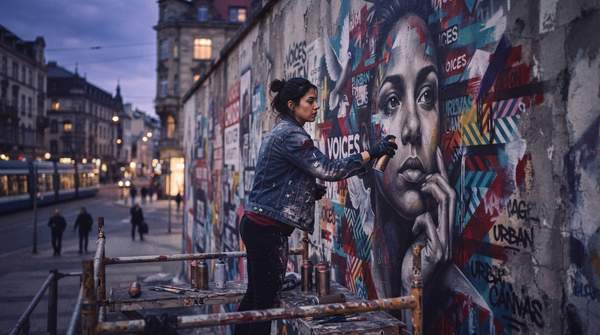
This is where we see the intersection of cultural expression and collective well-being. By cleaning up alleyways, commissioning murals, and creating stages for local musicians, Kaya Kaya has tangibly increased the visibility and attractiveness of Otrobanda. This fosters a renewed sense of ownership and pride among residents. It answers a fundamental human need to belong and to see one's home as a place of beauty and potential. The festival becomes a recurring catalyst for collaboration, reminding people of their shared identity and their collective power to enact positive change. It is a powerful demonstration of how celebrating culture can become a form of community care.
The Fragility of the Grassroots Model
Despite these inspiring successes, the path for community-led cultural festivals is often precarious. The very grassroots nature that makes them so effective also makes them vulnerable. These events typically run on slim margins, powered by volunteer labour and a patchwork of local sponsorships and small grants. They lack the large corporate backing and institutional infrastructure that support major commercial festivals. This fragility has become particularly acute in recent years, as rising operational costs and shifting public funding priorities create a challenging environment.
In Vancouver, Canada, this challenge has reportedly reached a critical point. According to the Vancouver Sun, many of the city's beloved community festivals and events are struggling with high costs and dwindling support. Organizers are now urging the city council to provide "beefed-up funding" to ensure their survival. This situation highlights a central tension: while cities and residents reap the economic and social benefits of these events, the financial burden often falls on a small group of dedicated organizers. Without stable and accessible funding streams, these vital cultural institutions are at constant risk of disappearing, taking their unique contributions with them.
To ensure the survival of local cultural festivals, civic leaders and residents must invest in their sustainability. Recognizing these festivals as essential infrastructure—as vital to a city's health as its parks and libraries—demands building resilient models. These models must blend community passion with reliable institutional support, enabling festivals to weather economic storms and continue serving their communities for years.
What Comes Next: Measuring What Matters
Organizers and policymakers are developing more sophisticated methods to articulate and measure the full impact of cultural festivals. Institutions like the UK's DCMS are testing and advancing methods for measuring legacy, moving beyond simple attendance figures. The goal is a holistic assessment capturing long-term economic shifts, improvements in social capital, and enhancements to public perception and community pride.
Measuring impact extends beyond festival weekend hotel bookings to include changes in new business registrations over the following year. It involves surveying residents on their sense of safety and belonging before and after events, and documenting volunteer skill acquisition, artist professional networks, and public art's revitalization of neglected urban spaces. Such data-driven outcomes enable communities to build a more compelling case for investment from public funds and private partners.
Community-led cultural festivals reflect a broader shift in understanding well-being, moving from an individualistic view to one where health intertwines with community health. These festivals demonstrate that joy, connection, and economic vitality are not separate pursuits, but deeply interconnected outcomes of vibrant, engaged civic life. They are laboratories for collectively remaking our world, one celebration at a time.
Key Takeaways
- Economic Influence: Community-led cultural festivals can have tangible economic implications, from direct revenue for local vendors to contributing to sustained, long-term benefits in sectors like tourism.
- Social Fabric: These events can be powerful tools for enhancing social cohesion, fostering community pride, and improving residents’ quality of life, particularly when they prioritize the active involvement and co-creation of residents.
- Sustainable Models are Crucial: The success and survival of grassroots festivals are not guaranteed. They face significant financial challenges from rising costs and often require a combination of community passion and stable institutional support to thrive.
- Evolving Measurement: The future of the trend involves developing more sophisticated methods for measuring the long-term legacy of cultural events, capturing both quantitative economic data and qualitative social impacts.