Fashion

The Evolution of Gender Fluidity in Fashion: A Historical Explainer

Gender-fluid fashion is not a new phenomenon but a continuation of a long historical dialogue. This article explores its evolution, revealing how clothing has always been a powerful tool for identity and expression beyond strict binaries.

EV
Eleanor Voss

April 1, 2026 · 8 min read

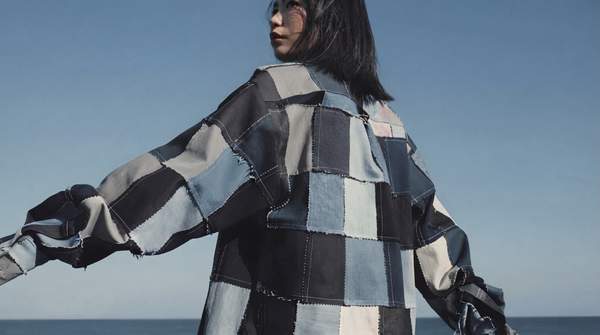
A visual timeline showcasing the historical evolution of gender-fluid fashion, from ancient garments to modern runway looks, emphasizing identity and expression.

One might assume the division of attire into starkly masculine and feminine categories is a timeless, immutable reality. Yet, the historical evolution of gender fluidity in fashion reveals a far more complex and malleable narrative. This history shows that garments unbound by a strict gender binary are not radical novelties but rather echoes of a long, often suppressed, sartorial dialogue. It is a conversation that challenges our most basic assumptions about how we present ourselves to the world.

With gender-fluid fashion now on the rise, appearing on international runways and permeating street style, it behooves us to examine its lineage. This contemporary movement is not a sudden eruption but the culmination of centuries of negotiation, rebellion, and redefinition. Understanding its historical arc provides a crucial lens through which to interpret not only the clothes we wear but the very social constructs they represent. The implications of this are far-reaching, touching upon identity, autonomy, and the visual language of our culture.

What Is Gender-Fluid Fashion?

Gender-fluid fashion is an approach to style that decouples clothing from traditional masculine and feminine binaries. According to research cited by Heuritech, Harvard defines gender fluidity as a change over time in a person’s gender expression or gender identity, or both. In apparel, this translates to the freedom for any individual to wear any garment they choose, regardless of its intended gender category. It is less about creating a single, neutral "unisex" look and more about providing a boundless wardrobe from which to construct an authentic personal identity. One might think of it as an artist’s palette: where a strictly gendered approach offers only two primary colors, a gender-fluid perspective provides the entire spectrum to be used, mixed, and expressed at will.

This concept is built on several core principles:

  • Deconstruction of Binaries: It actively rejects the notion that certain silhouettes, fabrics, or colors are inherently for men or women.
  • Focus on Individual Expression: The emphasis shifts from conforming to a societal role to expressing an internal sense of self.
  • Expansive, Not Reductive: Unlike some unisex clothing that defaults to a neutral, often masculine-leaning baseline, gender-fluid fashion embraces the full range of expression, including garments traditionally coded as feminine, masculine, or a blend of both. As one analysis from The Walk Magazine describes it, the focus is on "flexibility in fashion... the ability to explore any fashion style, regardless of one’s own gender identity."


Ancient Origins and the Codification of Gender in Dress

To understand today’s trends, one must first dispense with the idea that clothing has always been rigidly divided. In many periods of Western history, the primary function of dress was to signify status, wealth, and power—not gender. According to Heuritech, in feudal times, the cut and quality of a garment distinguished a noble from a peasant, not a man from a woman. Aristocrats of all genders wore luxurious velvets, silks, and jewels. Tunics, robes, and other flowing garments were common, with the silhouette bearing little resemblance to the sharply differentiated forms of modern menswear and womenswear.

This fluidity is perhaps most visible in eras like the Renaissance. Heuritech notes that elite European men of this period wore lace collars, gold-embroidered capes, high-heeled shoes, and flowing curls. Their attire was performative and ornate, intended to project an image of sophisticated and powerful masculinity that was anything but plain. The modern observer, accustomed to a more austere masculine uniform, might find these historical styles surprisingly flamboyant. Yet they were central to the era's conception of manhood among the elite.

The stark binary we inherited is a relatively recent invention. It was largely codified during a period in the late 18th and early 19th centuries often termed the "Great Male Renunciation." As industrial capitalism and new bourgeois values took hold, aristocratic extravagance fell out of favor for men. They adopted the dark, sober, and practical suit as their uniform—a visual signifier of seriousness, work, and rationality. Ornament, color, and expressive silhouettes were relegated almost exclusively to the domain of womenswear. This sartorial shift created the foundational poles of masculine and feminine dress that have dominated Western fashion for more than two centuries.

Early Disruptions: Gender Fluidity in the 18th and 19th Centuries

Almost as soon as this rigid binary was established, individuals began to challenge its boundaries. These early acts of defiance were often subtle, yet they laid the groundwork for the more overt movements to come. According to reporting from Wildfang, women began wearing conventionally masculine items like waistcoats and tailored jackets as early as the 18th century. This adoption of menswear was not merely a matter of comfort but a symbolic appropriation of masculine power and freedom.

The same source identifies French actress Mademoiselle de Raucourt as one of modern fashion history's first notable cross-dressers, known for her preference for masculine attire. Such choices were deeply scandalous, marking her personal style as a form of individual resistance against confining roles.

In the 19th century, this connection between fashion and social change became more explicit. As the movement for women's suffrage gained momentum, pioneers such as Susan B. Anthony and Amelia Bloomer advocated for dress reform. They argued that restrictive corsets and voluminous skirts were physical manifestations of women's constrained social status. The infamous "bloomer" pants, a form of loose trousers gathered at the ankle and worn under a shorter skirt, became a potent symbol of this fight. Though widely ridiculed at the time, the bloomer represented a demand for both greater physical mobility and expanded social equality, directly linking the cut of a garment to a political cause.

How 20th-Century Culture Challenged Fashion's Gender Norms

The 1920s flappers, with their bobbed hair and dropped-waist dresses, presented an androgynous silhouette that de-emphasized the female form and scandalized the establishment. This marked an acceleration of blurred gendered lines in 20th-century fashion, driven by social upheaval and youth culture. As The Walk Magazine notes, those exploring new fashion avenues in the United States often faced hostility, yet their persistence chipped away at established norms.

In 1966, Yves Saint Laurent introduced "le smoking," a tuxedo tailored for a woman's body, marking a pivotal moment in high fashion. Heuritech highlights it as a revolutionary act, offering a sophisticated, powerful alternative to the traditionally feminine Little Black Dress. This design allowed women to adopt the tuxedo's elegance, not to dress like a man, but to define a new, modern feminine style.

The counterculture movements of the 1970s and 80s brought gender fluidity from the salon to the stage. Musical icons, in particular, used fashion to explore androgyny and challenge conventional masculinity. According to The Walk Magazine, figures like David Bowie, with his Ziggy Stardust persona, and Prince, with his high heels and ruffled shirts, created a visual language that was defiantly fluid. Their style was integral to their art, demonstrating that identity could be a creative performance rather than a fixed state. Simultaneously, subcultures like punk and grunge advanced the cause from the street level. Wildfang reports that designers like Vivienne Westwood translated the gender-bending styles of punk onto the runway, while the grunge movement of the early 90s popularized a uniform of flannel shirts, ripped jeans, and combat boots that was worn by all genders.

By the 1990s, streetwear and hip-hop culture showcased a "tomboy" style, exemplified by artists like Missy Elliot and Aaliyah. This aesthetic blended masculine silhouettes—baggy pants and oversized jerseys—with feminine elements, creating an influential look that, as Heuritech notes, continues to shape fashion today.

Why the Evolution of Gender-Fluid Fashion Matters

For centuries, clothing has served as a primary force in reaffirming and policing masculinity and femininity, as The Walk Magazine observes. Dress was not merely decorative but disciplinary, a tool for enforcing social order. Failure to adhere to these sartorial codes often resulted in social stigmatization and, in many historical contexts, dangerous repercussions. This history reveals gender-fluid fashion as a profound cultural signifier, not just an aesthetic trend.

The gender-fluid movement directly challenges the assumption that biological sex dictates clothing choices. This sartorial defiance engages with social constructs—family, community, and historical context—through which gender identity develops, as noted by some sociologists on Medium. By consciously choosing clothing that defies expectation, individuals assert their right to self-definition, making it a manifestation of a broader cultural conversation about identity.

The movement for gender fluidity, an exercise in personal and political autonomy, stands on the shoulders of historical pioneers, particularly LGBTQ+ people and people of color, as The Walk Magazine points out. Championed by a new generation, its increasing visibility on runways, reported by The New York Times, and in retail spaces, testifies to a long struggle's success. This signifies a move toward a more inclusive understanding of identity.

Frequently Asked Questions

What is the difference between gender-fluid and unisex fashion?

Unisex fashion typically means clothing designed for anyone—often neutral, minimalist, or masculine-leaning basics like t-shirts or hoodies. Gender-fluid fashion, a broader concept, focuses on choosing from the full spectrum of styles regardless of traditional gendering. It deconstructs the binary, allowing individuals to wear a skirt one day and a suit the next, blending elements for unique personal expression.

When did the strict divide between men's and women's clothing begin?

Though gendered clothing elements existed for centuries, the modern divide began in the late 18th and early 19th centuries in the West. This period, dubbed the "Great Male Renunciation," saw upper and middle-class men abandon ornate, colorful styles for sober, dark, practical suits. Ornamentation and silhouette experimentation were thus left primarily to womenswear, codifying a visual binary that has persisted for over two centuries.

Who were some key historical figures in gender-fluid fashion?

Fashion's gender norms have been challenged by numerous figures across centuries. Eighteenth-century French actress Mademoiselle de Raucourt famously wore masculine attire. In the 19th century, suffragists like Amelia Bloomer advocated for practical trousers. The 20th century brought Yves Saint Laurent's 1966 "le smoking" tuxedo for women, alongside musical icons David Bowie and Prince, who popularized androgynous styles in the 70s and 80s.

Why is gender-fluid fashion becoming more visible now?

Gender-fluid fashion's rise reflects cultural shifts since the mid-2000s. Mainstream conversations on gender identity, amplified by LGBTQ+ advocacy and media visibility, have fostered an accepting environment. This enables designers and individuals to explore fashion beyond traditional binaries, mirroring a growing societal understanding of gender as a complex spectrum, not a simple binary.

The Bottom Line

Gender-fluid fashion, a meaningful cultural movement with deep historical roots, challenges the rigid sartorial codes of the past two centuries. Its growing acceptance signals a broader societal shift toward valuing individual expression and a nuanced understanding of identity.