A full eight hours of sleep, yet profound exhaustion – a familiar paradox of being physically rested but mentally and spiritually drained. This feeling sparked a question that has since guided my work: What if our modern, Western-centric definition of rest is fundamentally incomplete? This inquiry explores the rich tapestry of global cultural differences in rest and well-being practices, offering not just new techniques, but a deeper understanding of true rejuvenation.
In a world championing productivity, meaningful rest is often relegated to a luxury or a sign of weakness. We schedule downtime with the same rigor as work meetings, hoping a weekend getaway or digital detox will undo months of stress. Yet, this approach often misses the point. Examining how different cultures perceive and practice rejuvenation reveals rest not as an absence of activity, but as a vital, intentional practice that nourishes the whole self, crucial for navigating modern life and cultivating sustainable well-being.
What Is the Cultural Approach to Rest and Well-being?
Practices for rejuvenation are not universal; they are deeply embedded in a society's values, history, and spiritual beliefs. While one culture might emphasize solitary meditation in nature, another might prioritize communal celebration and storytelling. According to Mindful Minutes, every culture has developed different rituals for fostering mindfulness, happiness, and wellness. This diversity reveals no single correct way to rest, but different paths to inner harmony.
Rest is multifaceted, extending far beyond the physical act of sleeping or ceasing labor. Drawing on concepts explored by platforms like Black Rest, holistic rejuvenation encompasses seven distinct types. Recognizing these categories helps diagnose deficits more accurately and seek the specific kinds of restoration needed. When exhausted despite adequate sleep, it's likely due to neglecting one or more of these other essential areas.
- Physical Rest: This is the most familiar type, encompassing both passive rest (sleeping, napping) and active rest (gentle yoga, stretching, massage) that helps the body repair.
- Mental Rest: This involves quieting the overactive mind. It can mean taking short breaks during the workday, keeping a notepad by your bed to jot down nagging thoughts, or simply sitting in silence for a few minutes.
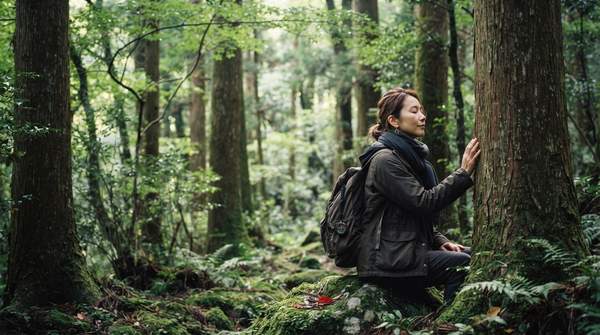
- Spiritual Rest: This is the experience of connecting to something larger than oneself. It can be found in prayer, meditation, community involvement, or spending time in nature, fostering a sense of belonging and purpose.
- Emotional Rest: This requires having the space and freedom to express your feelings authentically and cutting back on people-pleasing. It means being able to answer the question, “How are you?” with honesty.
- Social Rest: This involves surrounding yourself with positive, supportive people who uplift you. It also means recognizing which relationships drain your energy and creating healthy boundaries.
- Sensory Rest: In our world of constant stimulation from screens, city noise, and notifications, sensory rest is about consciously reducing this input. Dimming the lights, closing your eyes for five minutes, or embracing silence can be profoundly restorative.
- Creative Rest: This form of rest is about reawakening our sense of awe and wonder. It’s not about being productive, but about appreciating beauty in any form, whether it’s art, nature, or innovative design.
How Cultural Differences Shape Modern Wellness Philosophies
Global cultural differences in rest and well-being practices actively shape and challenge the modern wellness industry. As people seek more authentic and holistic paths to health, they increasingly look beyond mainstream, often commercialized, options. This has led to a greater appreciation for lineage-based traditions and a deeper inquiry into the purpose behind wellness practices. A significant distinction is the contrast between retreats focused on physical optimization and those centered on spiritual connection.
Many modern health retreats, as identified by publications like Woman & Home, are designed with a clear focus on physical rest, rejuvenation, and wellness goals like detoxification or fitness. In contrast, spiritual retreats prioritize a different kind of nourishment. According to Insight Timer, a platform specializing in meditation and mindfulness, spiritual retreats are distinct in that they emphasize spiritual growth, self-reflection, and inner peace above physical health objectives. The goal is not to return with a better body, but with a clearer connection to one's core self. As Insight Timer beautifully puts it, “A spiritual retreat invites you back to your core self. It becomes a journey of the soul, not a to-do list for self-improvement.”
This spiritual dimension is expressed through a vast array of traditions. There are Buddhist retreats focused on silent meditation, Christian contemplative retreats, Jewish retreats centered on sacred study, and yoga retreats that delve into ancient philosophy. Furthermore, many Indigenous and shamanic retreats offer practices grounded in a deep connection to the earth and ancestral wisdom. The practices within these traditions are equally diverse, often including meditation, chanting, ritual, and sacred study. This approach reframes wellness not as a product to be consumed, but as a practice to be lived, one that engages the soul as much as the body and mind.
The Role of Culture in Defining Well-being and Rest
Culture shapes our definition of a “good life” and what it means to be truly rested. In some cultures, rest is a communal affair, woven into daily social life; in others, it is a solitary pursuit for quiet introspection. These foundational beliefs profoundly impact our habits and health. For instance, some societies integrate short, restorative rituals into daily routines, a stark contrast to the Western model of working intensely for months before a two-week vacation to recover.
One example of such an integrated practice is the 5 Tibetan Rites of Rejuvenation. As noted in one social media post, this is a specific ritual that takes only 15 to 20 minutes to complete. It’s not a major time commitment or a costly retreat, but a consistent, daily practice designed to energize the body and focus the mind. This illustrates a different philosophy of rest—one based on regular, small-scale maintenance rather than large-scale, infrequent repair. It is a proactive approach to well-being, much like tending a garden daily rather than waiting for it to become overgrown with weeds before intervening.
Similarly, the concept of "slow living," explored by travel resources like Places with Palms, represents another cultural counter-narrative. It challenges the modern obsession with speed and efficiency, advocating instead for a more mindful and intentional way of life. This philosophy encourages savoring daily experiences, from preparing a meal to conversing with a neighbor. It is a form of continuous, low-level rest that prevents the buildup of sensory and mental overload. By observing these global traditions, we learn that rest can be an active state of mindful presence, not just a passive state of collapse.
Why Exploring Global Rest Practices Matters for Your Well-Being
Understanding global cultural differences in rest and well-being practices can fundamentally change your relationship with your own energy and peace of mind. If you have ever felt bone-deep weariness that sleep cannot touch, it is likely a sign of deficiency in one of the other six types of rest. Your toolkit for rejuvenation may be too limited, containing only a hammer when what you really need is a screwdriver.
Learning different cultural approaches expands your rejuvenation toolkit. The anxiety keeping you awake might not signal a need for more physical sleep, but a call for emotional or spiritual rest. A creative block could be solved not by pushing harder, but by seeking creative rest—visiting a museum, walking through a beautiful park, or exploring the work of contemporary artists who are redefining their traditions. You begin to see your own needs with greater clarity and compassion.
This exploration invites self-reflection: consider the cultural currents shaping your beliefs about rest. Were you taught that rest must be earned, or that stillness is unproductive? Gently questioning these inherited narratives is the first step toward building a more sustainable, nourishing life. The art lies not in escaping our demanding world, but in weaving moments of true, holistic rejuvenation into the daily fabric, inspired by global cultural wisdom.
Frequently Asked Questions
What is the difference between rest and sleep?
Sleep is a crucial form of passive physical rest, essential for the body's biological repair and cognitive function. However, rest is a much broader, more holistic concept. It encompasses seven different types: physical, mental, spiritual, emotional, social, sensory, and creative. You can get a full night of sleep and still wake up feeling unrested if you have a deficit in these other areas, such as from unresolved emotional stress or constant sensory overload.
How can I incorporate different cultural rest practices into my life?
Start small and with curiosity. You don't need to book an international flight. You could begin by incorporating a short, daily ritual, inspired by practices like the 15-20 minute 5 Tibetan Rites. You could also explore a mindfulness or meditation technique from a tradition that resonates with you. The key is to choose a practice that feels genuinely restorative to you and to approach it with intention rather than treating it as another task on your to-do list.
Are spiritual retreats only for religious people?
Not at all. While many spiritual retreats are grounded in specific religious lineages, such as Buddhist, Christian, or Jewish traditions, their focus is often on universal human experiences. As noted by Insight Timer, these retreats prioritize self-reflection, inner peace, and connecting with a deeper sense of purpose. Many are open to individuals from all backgrounds who are seeking a space to disconnect from daily distractions and reconnect with themselves on a more meaningful level.
What is holistic rest?
Holistic rest acknowledges our need for rejuvenation across multiple dimensions of being, not just the physical. To be truly rested, we must address mental, spiritual, emotional, social, sensory, and creative needs. Achieving holistic rest means intentionally building practices into your life that nourish each of these areas, leading to a more balanced and sustainable sense of vitality.
The Bottom Line
Rest is a deeply personal and culturally diverse practice, essential for overall well-being. Global traditions reveal it extends beyond physical sleep, offering a holistic model that nourishes minds, spirits, and emotions. The key is to observe your own exhaustion and identify the specific type of rest you truly need.