Despite their widespread implementation, a systematic review of 14 randomized controlled trials found only a 'small positive trend' in improving self-esteem and depression for older people in intergenerational programs. Confidence in these effects remained low due to small study sizes and limited participant numbers. The small positive trend and low confidence in effects challenge the common assumption that bringing younger and older generations together automatically yields significant mental health benefits for older adults.
Intergenerational programs are widely implemented with the aim of benefiting both younger and older people, yet robust scientific evidence for significant improvements in older adults' mental well-being is currently weak. A tension exists between widespread adoption and the scientific backing for certain outcomes. While these programs clearly foster community and youth development, their full potential for older adults' direct mental health benefits remains largely unproven, suggesting a need for more rigorous, larger-scale research.
Bringing Generations Together: What Are These Programs?
A systematic review included 14 randomized controlled trials from six countries, highlighting the global reach of intergenerational programs. These initiatives are primarily delivered in-person and in groups, involving diverse activities like visiting programs, school volunteering, music-based interventions, and various task-oriented activities, according to what is the effect of intergenerational activities on the wellbeing and mental health of older people: a systematic review and meta-analysis. Intergenerational interventions aim to bring younger and older people together, contributing to small improvements in self-esteem and depression levels in older people. These programs are diverse in their activities but share a common goal of fostering connection and mutual benefit between age groups, often with a focus on improving overall well-being and community resilience.
Inside the Programs: Real-World Examples and Engagement
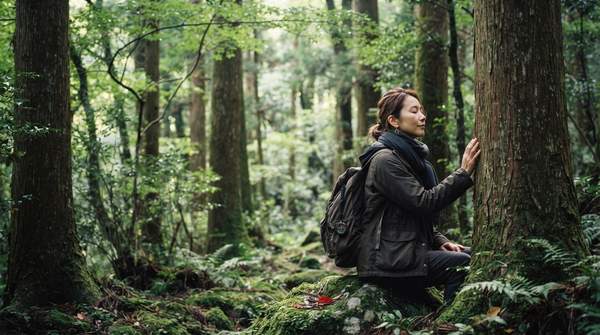
The Rhythm & Nature (R&N) program consisted of eight 90-minute sessions for two groups in an adult day setting, demonstrating a structured approach to intergenerational engagement. An intergenerational program was implemented between 2022 and 2025 across three community organizations, piloted by United Neighborhood Houses (UNH), according to conferences - stockton center on successful aging. Staff involved in the R&N program reported greater participant engagement during these sessions compared to other programming offered. Real-world implementations show that structured intergenerational activities can be successfully integrated into community settings and significantly boost participant engagement, fostering intergenerational well-being and a sense of shared cultural practices.
The Clear Benefits for Younger Generations
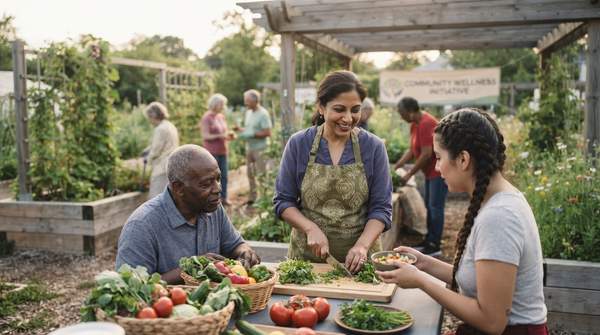
Youth in an intergenerational program gained multiple competencies, including interpersonal and social skills, intergenerational understanding, leadership and responsibility skills, and creative and problem-solving abilities, according to conferences - stockton center on successful aging. These young participants also reported more positive attitudes toward older adults and stronger community-oriented perspectives. While benefits for older adults are nuanced, the positive developmental and attitudinal shifts in youth participants are consistently and robustly evident, making these programs valuable for youth development and strengthening community resilience for the future.
Bridging the Evidence Gap: Why Rigor Matters
Despite their widespread implementation across six countries and various community organizations, intergenerational programs are currently overhyped as mental health interventions for older adults. Systematic reviews show only a 'small positive trend' and low confidence in these effects, according to what is the effect of intergenerational activities on the wellbeing and ... and conferences - stockton center on successful aging. The current limitations in research mean that while intergenerational programs are valuable, their full potential for directly improving older adults' mental health remains an area requiring more rigorous scientific investigation. A closer examination of how cultural practices truly support intergenerational connections is called for.
Frequently Asked Questions
How do cultural practices support intergenerational connections?
Cultural practices often provide a framework for intergenerational exchange, allowing older adults to share traditions, stories, and skills with younger generations. This exchange can foster a sense of identity and belonging for youth, while older adults may experience a renewed sense of purpose and connection to their heritage. This transmission of cultural knowledge helps to build a shared understanding and strengthens family and community bonds.
What are examples of community resilience through cultural traditions?
Community resilience can manifest through cultural traditions such as shared storytelling sessions, communal feasts, or traditional craft workshops where skills are passed down. For example, some communities use shared gardening practices rooted in local heritage to bring diverse age groups together, fostering cooperation and mutual support in both good times and challenging periods. These activities reinforce social networks and collective problem-solving.
How can we promote well-being across generations using culture?
Promoting well-being across generations using culture involves creating intentional spaces for interaction that celebrate shared heritage and allow for mutual learning. This might include community festivals that feature traditional music and dance, or mentorship programs where elders teach younger individuals about historical cultural practices. Such initiatives can enhance social cohesion, reduce feelings of isolation, and contribute to a more vibrant community life for all.
The Future of Intergenerational Connection
While intergenerational programs are a powerful, underutilized tool for cultivating critical social, leadership, and community-oriented skills in youth, their continued funding and design should prioritize these proven youth benefits rather than unproven mental health improvements for older adults, according to conferences - stockton center on successful aging and what is the effect of intergenerational activities on the wellbeing and .... The focus should shift towards better understanding and maximizing the clear advantages for younger participants. By Q3 2026, organizations like United Neighborhood Houses (UNH) will likely face increased pressure to demonstrate specific, evidence-backed outcomes for all age groups in their intergenerational initiatives, pushing for more targeted research to validate benefits for older adults.