What is mindfulness in art creation for mental well-being?

Just 45 minutes of art-making can significantly reduce your body's cortisol levels, a key indicator of stress, according to assessing the stress-relief impact of an art-based intervention .

YE
Yasmin El-Sayed

May 16, 2026 · 5 min read

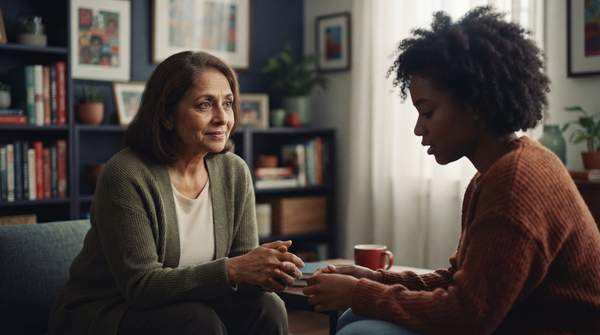
A person mindfully creating art, experiencing reduced stress and enhanced mental well-being through a creative process.

Just 45 minutes of art-making can significantly reduce your body's cortisol levels, a key indicator of stress, according to assessing the stress-relief impact of an art-based intervention .... This immediate biochemical response offers rapid, measurable relief from daily physiological burdens, extending beyond mere psychological comfort.

Many view art as leisure, but scientific evidence increasingly proves it a potent, accessible therapeutic tool for mental health. Nearly half of Americans (46%) already use creative activities to relieve stress or anxiety, according to Psychiatry. Yet, despite widespread informal adoption, art-based interventions remain underestimated in formal healthcare settings.

Integrating mindful art practices into daily life or therapeutic settings appears a highly effective, yet often underestimated, approach to improving mental well-being. It offers a pathway to stress reduction and emotional regulation that can rival more traditional treatments. Scientific validation and public engagement suggest creative expression will play a more central role in mental health.

The Science of Mindful Creation

Engaging with art activates brain regions associated with meditation and relaxation, providing a neurobiological basis for its calming effects, according to East End Arts. The focused attention in art creation mirrors brain states achieved during contemplative practices. Immersion in the artistic process reduces mental chatter and increases presence, akin to traditional mindfulness.

Mindful art creation emphasizes process over product, encouraging focus on sensations, colors, textures, and movements. This deliberate attention anchors individuals in the present, diverting focus from stressors. On national Slow Art Day, people spend 10 minutes looking at a single artwork, according to Rubin Museum, demonstrating the power of sustained, mindful engagement. This intentional slowing cultivates a deeper connection, fostering calm and introspection.

Mindful art practices transform engagement into a meditative experience, leveraging the brain's natural capacity for calm. The act of creation becomes active meditation, hands and mind working in concert. This engagement decreases physiological arousal, supporting observed reductions in stress hormones and contributing to emotional regulation.
Clinical Evidence: Art's Impact on Anxiety and Depression

A meta-analysis of 17 articles (1,548 participants) found Mindfulness-Based Art Interventions (MBAIs) reduce students' anxiety with an effect size of g = -0.387, according to mindfulness-based art interventions for students: a meta-analysis .... This figure, specific to student populations, shows a notable reduction in anxiety symptoms through structured art engagement. Consistent findings across studies confirm these therapeutic benefits are replicable.

Further clinical validation comes from an analysis of 21 randomized controlled studies of art-based interventions, finding a significant reduction in anxiety and depression symptoms, according to Frontiersin. This broader analysis confirms art's efficacy across diverse populations. Group arts interventions showed a moderate anxiety reduction (Cohen's d of 0.76), as reported by Nature. For depression, the effect remained significant (Cohen's d of 0.42) after adjusting for publication bias, according to Nature.

Contrasting effect sizes (g = -0.387 for MBAIs in students from PMC vs. Cohen's d of 0.76 for group arts interventions from Nature) reveal the complexity of comparing diverse research. Both sources confirm anxiety reduction, but magnitude varies by study design, population, and intervention. This variation demands nuanced interpretation, recognizing distinct quantitative outcomes that collectively point to a robust therapeutic effect.

Consistent, significant effect sizes across multiple rigorous studies provide strong clinical validation for art-based interventions as effective treatments for anxiety and depression. Art is not merely complementary; it is a substantive therapeutic tool. Its ability to produce measurable reductions in mental health symptoms makes it a valuable alternative or adjunct to established interventions.

Flexible Formats: Art Therapy for Every Lifestyle

Online art therapy offers a highly accessible, flexible option, with studies demonstrating its effectiveness through structured programs. One intervention involved participants in eight one-hour weekly online sessions, according to Frontiersin. This digital format removes geographical barriers and offers convenience, making therapeutic art available to those lacking in-person access. Structured, weekly engagement maintains consistency and progress virtually.

In contrast, other art-based interventions explore longer-term, immersive approaches. An open studio art intervention involved participants meeting at least once a week for 1.5 to 3 hours over a 10-month school year, according to Psychiatry. This extended duration allowed deeper engagement with creative processes and stronger therapeutic relationships within a supportive community. Such long-term programs foster sustained self-exploration and skill development, integrating art into a profound personal growth journey.

The adaptability of art therapy, from short online courses to extended in-person sessions, makes it accessible to a wide range of individuals and schedules. This flexibility caters to varying needs, whether for immediate relief or prolonged development. Diverse formats show mindful art's benefits are not confined to a single delivery method, making it a versatile tool for mental well-being across contexts and commitments. This broad applicability suggests potential for widespread implementation in various care models.

Why This Matters Now: A Growing Field

The expanding body of recent research, highlighting benefits for vulnerable groups like students, reveals art's increasing relevance in addressing contemporary mental health challenges. This focus on specific populations shows a growing understanding of how tailored art-based approaches meet distinct needs. Art's therapeutic power gains traction not just as a complementary treatment, but as a foundational element in preventative and responsive mental health care strategies.

Given that just 45 minutes of art-making physiologically reduces stress (Cosimo) and online art therapy proves effective (Psychiatry), healthcare systems miss a low-cost, high-impact opportunity. Integrating accessible art-based interventions as a frontline, rapid-response tool for mental well-being offers an alternative to relying solely on traditional, resource-intensive therapies. Evidence supports a shift towards diverse, readily available mental health resources, with art playing a crucial role in expanding care.

Common Questions About Mindful Art

How does art therapy help with stress?

Art therapy helps with stress by engaging individuals in a creative process that shifts focus from internal worries to external expression. This process often emphasizes sensory engagement and the act of creation itself, rather than the final product, which can lead to a meditative state. Different modalities, such as creating mandalas or working with specific colors, can further enhance relaxation and emotional release.

What are the benefits of mindful art making?

Mindful art making offers several benefits beyond stress and anxiety reduction, including enhanced self-awareness and improved emotional regulation. Engaging in creative expression provides a safe outlet for processing complex feelings, leading to greater insight into one's inner world. This practice can also foster a sense of accomplishment and self-efficacy, contributing to overall mental resilience.

How to practice mindfulness while painting?

To practice mindfulness while painting, begin by focusing on your breath and setting an intention to be present with your materials. Pay close attention to the colors, textures, and movements of your brush on the canvas, observing without judgment. Allow your intuition to guide your strokes, embracing imperfections as part of the creative journey, and notice any thoughts or feelings that arise without dwelling on them.

Embrace Creativity for Mental Well-being

If current trends continue and organizations like the National Endowment for the Arts further integrate creative engagement into healthcare, art-based mindfulness interventions will likely transform mental health care, fostering a more resilient society.