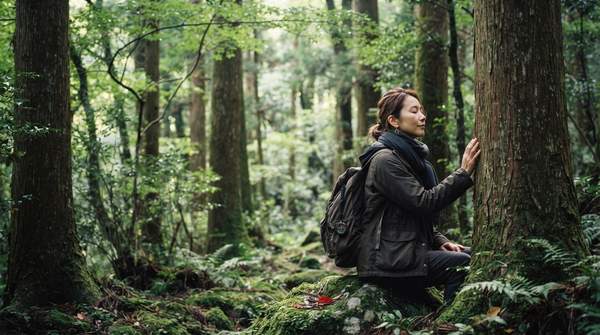
A quiet but powerful shift is underway in wellness, moving away from a one-size-fits-all model of health. People are increasingly looking inwards and backwards—to the rituals, philosophies, and communal practices that have sustained their ancestors for generations. This exploration leads to cultural mindfulness and adapting traditional practices for modern wellness, a concept that honors the deep-rooted wisdom within our diverse global communities.
The modern wellness industry often presents a singular vision of well-being, which can feel detached from the vibrant, varied tapestry of human experience. This vision inadvertently sidelines the cultural contexts that give our lives meaning and texture. Cultural mindfulness offers an alternative: it integrates our personal well-being journey with our collective identity, creating a practice that is not only effective but also deeply authentic and affirming, approaching wellness as a conversation with history rather than a product to consume.
What Is Cultural Mindfulness?
Cultural mindfulness is the practice of being aware, respectful, and intentional about incorporating one's own cultural background, values, and traditions into wellness and mindfulness routines. It moves beyond generic scripts and techniques, instead asking how these practices can be shaped to align with a person's unique worldview. Think of it like a master tailor crafting a bespoke suit. While a standard, off-the-rack suit might fit reasonably well, the bespoke garment is measured and cut to conform to the individual's exact contours, moving with them, feeling like a second skin. Similarly, cultural mindfulness tailors wellness to the individual's cultural identity, making it a more comfortable, intuitive, and sustainable fit.
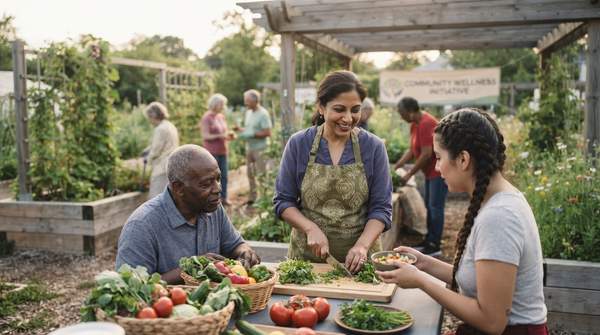
This approach enriches established mindfulness techniques, not rejecting them, by consciously ensuring practices for mental and emotional health resonate on a cultural level. A brief ResearchGate review confirms culture plays a significant role in shaping how mindfulness is understood and practiced. The core components of cultural mindfulness often include:
- Contextual Awareness: Recognizing that no wellness practice exists in a vacuum. It acknowledges the historical, spiritual, and social roots of traditions, from Japanese forest bathing (Shinrin-yoku) to Scandinavian sauna culture.
- Value Alignment: Integrating core cultural values—such as community, respect for elders, or connection to nature—into the practice. For instance, a meditation might focus on generating compassion for one's family and community rather than solely on individual self-awareness.
- Linguistic and Symbolic Resonance: Using language, metaphors, and symbols that are meaningful within a specific cultural framework. This could mean incorporating traditional prayers, proverbs, or concepts of spirit and energy that a generic approach might overlook.
- Authentic Adaptation: Thoughtfully modifying practices to suit modern life without stripping them of their original meaning. It is a delicate balance of preservation and innovation.
The art lies not in simply replicating ancient rituals, but in understanding their underlying wisdom and translating it into a language contemporary lives can understand. This is a deeply personal and creative process of rediscovery.
Adapting Traditional Practices for Modern Wellness Routines
Adapting traditional practices for modern wellness is a field of growing interest, promising to make these tools more accessible and effective for diverse populations. The goal is to bridge ancient wisdom and contemporary needs, preserving a practice's essence while making its form relevant. This often involves careful research and community consultation to avoid misinterpretation or appropriation. Recent anthropological work, including a chapter in Mindfulness and Culture, increasingly examines how our understanding of the mind is culturally shaped by specific cultural contexts.
A tangible example of this exploration is a National Center for Biotechnology Information study. Researchers explored mindfulness perceptions among Arab/MENA (Middle Eastern and North African) Americans, aiming to identify potential cultural adaptations to Mindfulness-Based Interventions (MBIs) to better suit this community. This work is vital because it acknowledges that concepts like "awareness" and "non-judgment" might be interpreted differently across cultures and can be more powerfully conveyed using familiar philosophical or spiritual frameworks.
Many cultures already have long-standing contemplative or reflective practices embedded within them. These include the meditative weaving of a Navajo rug, the focused preparation of a Japanese tea ceremony, or the rhythmic recitation of prayer or poetry found in Sufi or Catholic traditions. Cultural mindfulness helps individuals recognize the inherent "mindfulness" already present in their heritage, rather than seeking to replace these practices. It might involve reframing a familiar activity, like preparing a family recipe, as a meditative practice of presence, connection, and gratitude.
The Benefits of Integrating Cultural Mindfulness for Holistic Health
When wellness practices resonate with our cultural identity, they can offer more than just stress reduction; they can foster a profound sense of belonging and holistic well-being. By drawing on familiar language, symbols, and values, culturally mindful practices can feel less like a foreign discipline to be mastered and more like a homecoming. This deeper connection may enhance the very benefits that make mindfulness attractive in the first place. For instance, according to research shared by Illinois State University, studies indicate that a mindfulness meditation practice may increase empathy for others and oneself. It stands to reason that when that practice is rooted in cultural values of community and compassion, this empathetic connection could be even more potent.
Mindfulness meditation practice may enhance attention and "on-task" abilities. A culturally adapted practice could potentially boost this benefit by reducing the cognitive load required to translate unfamiliar concepts. When metaphors and instructions align with one's ingrained understanding of the world, the mind may settle into focus more easily. The practice thus becomes less of an intellectual exercise and more of an embodied experience, allowing for a more seamless integration into one's daily life.
This approach validates a person’s entire identity, sending a powerful message that heritage is a source of strength and wisdom. In a world where minority cultures can often feel marginalized, this validation is in itself a form of healing. It helps mend the fractures that can arise between navigating a dominant culture and honoring one's own roots, creating a more integrated and resilient sense of self. It transforms wellness from a solitary pursuit of self-improvement into a collective celebration of heritage.
Why Cultural Mindfulness Matters
The movement toward cultural mindfulness matters immensely in our increasingly globalized world. It is a gentle but firm counter-narrative to cultural appropriation, where sacred practices are often commodified and stripped of their context and spirit. Instead of borrowing superficially, cultural mindfulness encourages a deep, respectful engagement with tradition—either one's own or, with permission and guidance, that of others. It prioritizes understanding over aesthetics and meaning over marketing, asking us to be students, not just consumers, of wisdom.
On a personal level, this practice invites us to become archaeologists of our own heritage. What wellness rituals did your grandparents or great-grandparents practice? Were there specific herbal remedies, seasonal foods, songs, or stories that were used to soothe the mind and body? Exploring these questions can be a powerful way to connect with your lineage and uncover a wellspring of wisdom that is uniquely yours. It fosters a sense of continuity and rootedness in an often-fragmented modern world.
Cultural mindfulness enriches the wellness landscape by affirming countless paths to well-being, demonstrating no single culture holds a monopoly on wisdom. This diversity creates a more inclusive, equitable, and effective health ecosystem. It encourages an approach to wellness rooted in humility, curiosity, and profound respect for humanity's varied historical quests for peace and balance.
Frequently Asked Questions
What is the difference between cultural mindfulness and cultural appropriation?
Cultural mindfulness is about practicing wellness in a way that is deeply respectful and aligned with a specific cultural context, often one's own. It prioritizes understanding, history, and meaning. Cultural appropriation, in contrast, typically involves adopting practices from another culture (often a marginalized one) without understanding or respecting their original context, often for commercial or aesthetic purposes, which can strip them of their sacredness.
How can I practice cultural mindfulness?
You can begin by reflecting on your own heritage. Research the contemplative, healing, or community-based wellness traditions of your ancestors. Talk to elders in your family or community. If you are drawn to a practice from a culture that is not your own, approach it with humility. Learn from authentic teachers, understand its history and significance, and engage with it respectfully rather than simply adopting its surface-level elements.
Are there specific examples of traditional practices being adapted?
Yes, cultural adaptation is achievable. Examples include aligning yoga and meditation with Christian contemplative prayer, integrating Islamic principles of remembrance (Dhikr) into mindfulness interventions, or framing nature-based therapies around Indigenous concepts of interconnectedness with the land. Thoughtful, respectful integration of core cultural values and language is essential.
Why is a one-size-fits-all approach to mindfulness problematic?
A one-size-fits-all approach can be problematic because it may fail to resonate with individuals from diverse backgrounds, potentially feeling alienating or irrelevant. It can also inadvertently perpetuate a form of cultural erasure by presenting a standardized, often Westernized, version of practices that have deep and varied roots in other cultures, as discussed in a study on the cultural relevance of mindfulness meditation from pmc.ncbi.nlm.nih.gov.
The Bottom Line
Cultural mindfulness is more than a wellness trend; it is a movement toward a more authentic, inclusive, and holistic vision of health. By adapting traditional practices for modern routines, we honor our heritage and enrich our well-being in a way that feels true to who we are. I encourage you to look within your own cultural tapestry—the wisdom you seek may have been waiting there for you all along.