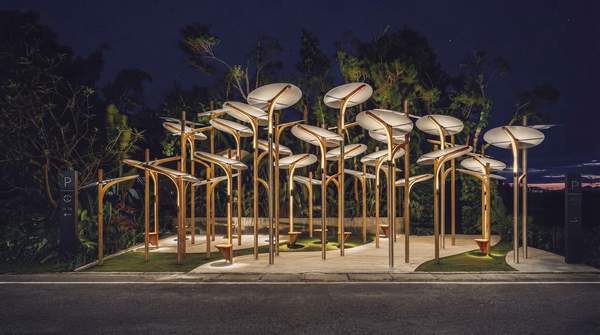
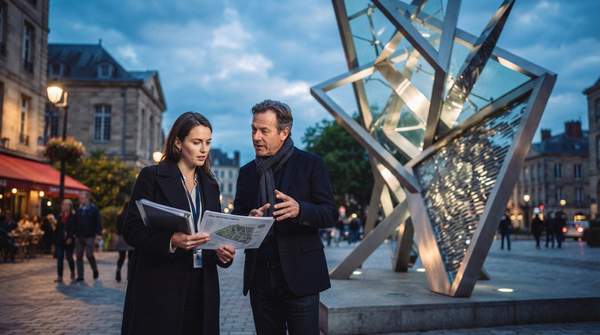
How can a simple mural on a forgotten wall or a sculpture in a neglected plaza become a powerful engine for a city's renewal? The role of public art in urban revitalization extends far beyond mere decoration, acting as a crucial catalyst for economic growth, community cohesion, and cultural identity. As cities worldwide grapple with the pressures of rapid urbanization, understanding how art can reshape our shared spaces has become more critical than ever. It represents a strategic investment in the social and economic fabric of a community, transforming overlooked corners into vibrant hubs of activity and meaning.
The conversation around urban development is increasingly urgent. In recent decades, a global surge in urbanization has prompted city planners and leaders to seek innovative strategies for gaining a competitive edge, enhancing quality of life, and ensuring sustainable growth. Within this complex matrix of culture, economics, and politics, public art has emerged as a dynamic tool. Yet, its full potential remains frequently underestimated. By examining its functions, impacts, and possibilities, we can appreciate why a thoughtfully curated public art program is not an urban luxury, but a fundamental component of a thriving, resilient, and equitable city.
What Is Public Art in the Context of Urban Development?
Public art, in the context of urban development, is the strategic integration of artistic works into the public realm to achieve specific community, cultural, or economic goals. It transcends the traditional notion of a standalone monument. Instead, it functions as a form of "creative placemaking," a process that intentionally involves local artists in community development to shape the physical and social character of a neighborhood, town, or city. Think of it less like an object placed in a space and more like a conversation between the artist, the environment, and the community that inhabits it. This dialogue can manifest in countless forms, each serving a unique purpose in the broader project of urban revitalization.
According to a guide for community-led projects from the City of Tacoma’s arts program, the applications of public art are diverse and can be seamlessly woven into the city's infrastructure. These applications often include:
- Integration with Urban Infrastructure: Art can be incorporated directly into functional elements like bridges, transit stations, sidewalks, and parks. This approach blurs the line between utility and aesthetics, infusing daily life with creative expression and making civic structures more engaging and meaningful.
- Enhancement of Cultural Infrastructure: Public art can serve to highlight or enhance existing cultural venues such as libraries, theaters, and museums. A sculpture outside a library or a mural on a community center wall can signal the building's purpose and invite the public inside.
- Incorporation into Public Buildings: Many municipalities mandate that a percentage of the construction budget for new public buildings be allocated to art. This ensures that civic spaces like courthouses, schools, and administrative centers reflect and contribute to the local culture.
- Creation of Landmarks and a Sense of Place: Perhaps its most visible role, public art creates unique, memorable landmarks that help define a neighborhood's identity. These pieces become points of reference, meeting spots, and symbols of a community's character and history.
The implementation of these projects is not arbitrary. It is typically governed by a structured framework. A resource guide from the Association of Tribal Archives, Libraries, and Museums notes that requirements for public art generally fall into three categories: Guidelines, which are suggestions; Policies, which are adopted rules for a specific jurisdiction; and Ordinances, which are laws that carry legal weight. This structured approach ensures that public art is not an afterthought but a planned, integral part of a city's long-term vision, reflecting a deliberate commitment to cultural investment and thoughtful urban design.
How Public Art Fosters Community Engagement and Identity
A neighborhood's character is often an intangible quality, a felt sense of history, values, and shared experience. Public art provides a powerful medium for making this identity tangible, transforming abstract feelings into visible narratives. A community guide suggests that public art is a primary way for neighborhoods to create a new image, solve local problems, tell their unique stories, and ultimately develop or maintain a distinct identity. The process of creating public art is often as important as the final product. When local artists are involved, as in creative placemaking initiatives, the artwork becomes deeply rooted in the community's vernacular, reflecting its specific heritage, struggles, and aspirations rather than imposing an external aesthetic.
This process inherently fosters community engagement. A mural project, for instance, might begin with workshops where residents share stories and ideas, giving them direct ownership over the narrative being depicted on their streets. This collaborative spirit can strengthen social bonds and instill a collective sense of pride. The artwork that results is not merely an object of passive viewing but a testament to a shared effort. It demonstrates neighborhood pride in a way that is both public and personal, transforming community eyesores like blank walls or derelict lots into assets that broadcast a message of vitality and care. The availability of resources, such as handbooks designed for grass-roots communities looking to initiate their own projects, further empowers residents to take an active role in shaping their environment.
Furthermore, public art serves as a repository for collective memory and a platform for ongoing dialogue. A sculpture might commemorate a pivotal historical event, ensuring that future generations understand their heritage. An interactive installation can pose questions about contemporary social issues, prompting reflection and conversation among passersby. In this way, art in the public sphere personalizes a neighborhood, distinguishing it from generic urban landscapes. It helps build character by embedding stories and symbols into the physical environment, creating a richer, more layered experience of place. This deep connection between art, place, and people is the foundation upon which a resilient and vibrant community identity is built.
What Is the Economic Impact of Public Art on Cities?
While the cultural and social benefits of public art are profound, its economic impact is equally significant, serving as a potent driver of local prosperity. Creative communities are known to foster economic development and contribute substantially to defining a region's quality of life, which in turn attracts a skilled workforce and innovative businesses. Public art is a highly visible signal that a city values culture, creativity, and quality of life—attributes that are increasingly important in a competitive global economy. According to a report by SPUR, a public policy think tank, significant public funding for the arts is a key strategy for revitalizing urban areas, as it directly fosters the creative placemaking initiatives that stimulate economic activity.
The mechanisms through which public art boosts the economy are multifaceted. One of the most direct impacts is on tourism and local business. Unique, large-scale installations and vibrant mural districts become destinations in themselves, drawing visitors who then spend money at local shops, restaurants, and hotels. This influx of visitors can revitalize a commercial district that was previously struggling. Furthermore, public art can strategically direct foot traffic, guiding people toward specific commercial areas or helping them discover new parts of the city. A well-placed sculpture trail or a series of murals can create a walkable, engaging experience that encourages exploration and extends the time visitors spend in an area.
Beyond tourism, public art enhances property values and attracts investment. By transforming community eyesores into assets, art programs can change the perception of a neighborhood, making it a more desirable place to live and work. This aesthetic and cultural improvement can spur private investment, as developers and businesses are more likely to commit to an area that is perceived as vibrant, safe, and culturally rich. Public funding for the arts, therefore, should not be seen as a mere expenditure but as a strategic investment. It seeds the ground for creative placemaking, which in turn yields a significant return by welcoming people, attracting business, and building a sustainable economic foundation rooted in a strong cultural identity.
The Untapped Potential: Public art and Urban Sustainability
Discussions surrounding public art have often confined its role to that of beautification, positioning it as an aesthetic amenity or a landmark for tourists. This perception, however, has led to it being largely overlooked in more functional aspects of city planning. According to analysis from Carnegie Mellon University's Arts Management and Technology Laboratory, governments and urban planning professionals have not yet fully explored the vast potential of public art to address some of the most pressing urban challenges of our time. This represents a significant missed opportunity, as art can serve as a key player in designing more sustainable and resilient cities for the future.
The potential applications are both innovative and practical. Imagine public art installations designed to do more than inspire. A sculpture could be engineered to collect rainwater and mitigate localized flooding. A series of artistic panels could be made from materials that absorb air pollution. An ephemeral light installation could be powered by solar energy, demonstrating the potential of renewable resources. By integrating artistic form with ecological function, public art can move from a passive to an active role in urban sustainability. It can help address critical issues like climate change, economic instability, and the preservation of cultural heritage, all while engaging the public in a visually compelling way.
This forward-thinking approach aligns with global imperatives for sustainable development. The United Nations' 2030 Agenda for Sustainable Development, adopted by all member states in 2015, outlines 17 goals for fostering peace, prosperity, and environmental stewardship. Public art can be a powerful, grassroots tool for advancing these goals at the local level. It can raise awareness about environmental issues, promote social equity by telling the stories of marginalized communities, and contribute to building sustainable cities. To unlock this potential, however, requires a paradigm shift. City planners, artists, and policymakers must begin to view public art not just as a cultural product but as a versatile, problem-solving tool integral to the creation of healthier, more equitable, and sustainable urban environments.
Why Public Art Matters
In an era of increasing homogenization, public art matters because it champions the unique identity of a place. It pushes back against the anonymity of modern cityscapes by embedding local stories, values, and memories directly into the streets, parks, and buildings we inhabit every day. For the resident, it fosters a sense of belonging and pride, transforming a generic urban space into a personal, meaningful home. For the city, it is a strategic asset that enhances quality of life, stimulates economic vitality, and builds social cohesion. It is a public declaration that a community’s culture is not confined to museums and galleries but is a living, breathing part of the urban experience. Ultimately, public art is a powerful reminder that our cities are not just collections of concrete and steel, but complex human ecosystems that thrive on creativity, connection, and a shared sense of place.
Frequently Asked Questions
What are the main types of public art?
Public art encompasses a wide range of forms beyond traditional statues. It can include murals painted on buildings, integrated designs in urban infrastructure like bridges or transit stations, interactive digital installations, functional sculptures that also serve as seating, and temporary or performance-based works that activate a public space for a limited time. The key element is that it is created for and accessible within the public realm.
Who pays for public art?
Funding for public art comes from a variety of sources. Many cities have "Percent for Art" ordinances, which mandate that a small percentage (typically 1-2%) of the budget for public capital improvement projects be allocated to commissioning public art. Other sources include public funding from city or state arts councils, grants from private foundations, corporate sponsorships, and contributions from private developers as part of their project agreements with a city.
How can a community start its own public art project?
Communities can initiate their own projects through grassroots efforts. The process often begins with forming a local committee, identifying a potential site, and engaging with neighborhood residents to develop a concept. Many cities offer resources, and some provide handbooks to guide communities through the process of artist selection, fundraising, and navigating city permits. These initiatives are a form of creative placemaking that empowers residents to actively shape their own environment.
The Bottom Line
The role of public art in urban revitalization is that of a dynamic and essential catalyst, moving far beyond simple aesthetics to actively shape a city's social, cultural, and economic health. It is a strategic tool for building community identity, fostering engagement, and driving sustainable development. By viewing public art as an integral part of urban planning, cities can unlock its full potential to create more vibrant, resilient, and meaningful places for all.