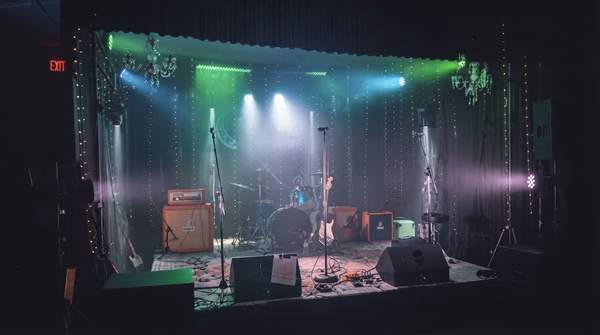
I remember the moment clearly. It was late, the air thick with the smell of damp earth and grilled food. On a side stage, far from the thunder of the headliner, a Malian kora player was duetting with a Norwegian violinist. There was no shared language between them, no common musical tradition, yet they were creating something entirely new, a conversation in melody that held the small crowd breathless. This is the heart of how music festivals promote cultural exchange: not in grand, orchestrated pronouncements, but in these small, spontaneous moments of connection. They are spaces where the world’s soundtracks collide, creating a resonance that can change how we see, and hear, each other.
For me, that impromptu performance was more than just a memorable set. It was a perfect microcosm of a festival’s potential. It’s a phenomenon that goes far beyond simple entertainment. According to a report from ASEF culture360, festivals can be a powerful vehicle for cultural diplomacy, a concept that has existed for centuries, tracing back to the ancient Silk Route. In our modern, hyper-connected world, the festival ground has become a new kind of crossroads, a place for genuine, person-to-person cultural dialogue.
What Is Cultural Exchange at a Music Festival?
Cultural exchange at a music festival is the dynamic process through which artists and attendees from different backgrounds share traditions, ideas, and artistic expressions. It transforms a concert venue into a temporary, vibrant hub of global culture. This isn't just about an international artist playing a set; it’s about the integration of music, food, art, and social interaction that allows for a deeper, more immersive understanding of different ways of life. Some analyses suggest music festivals function as both a global industry and a unique cultural phenomenon, exerting a distinct influence on attendees and the creative landscape.
This exchange is a two-way street. An artist from one country shares their heritage, and in return, they are exposed to new sounds and ideas from other performers and the audience itself. For attendees, it’s an opportunity to step outside their own cultural bubble and experience the world through its most universal language: music. Publications like Deeds Magazine have reported on how music festivals are actively promoting this kind of exchange. It’s a process built on curiosity and respect, where the rhythm of a drum or the melody of a flute can communicate more than words ever could. It is widely believed that music and cultural exchange can connect people’s hearts, creating bonds that transcend national and linguistic divides.
How Music Festivals Promote Cultural Exchange: A Step-by-Step Breakdown
The magic of cultural exchange at a festival doesn't just happen by accident. It's the result of careful curation and the organic interactions that a festival environment is designed to foster. Understanding this process reveals how these events become more than just a weekend of music; they become engines of global understanding.
- Step 1: Deliberate and Diverse Curation
Everything begins with the lineup. Festival organizers and artistic directors who prioritize cultural exchange don't just book the biggest names; they act as cultural curators. They intentionally seek out artists from a wide array of geographic locations, genres, and traditions. This might mean placing a traditional folk singer from the Andes on a stage before a cutting-edge electronic act from Berlin, or a West African griot after a Japanese rock band. The goal is to create a sonic tapestry that is rich, varied, and full of surprising juxtapositions. This deliberate programming exposes audiences to sounds they might never encounter otherwise, breaking down the algorithmic bubbles that so often dictate our listening habits. It’s a statement that all music has value and a story to tell, regardless of its origin or commercial success.
- Step 2: Creating Immersive Cultural Spaces
The exchange extends far beyond the main stage. The most effective festivals create a holistic environment where culture can be experienced through all the senses. This includes dedicated spaces like a "Global Village" or "World Market" where artisans sell traditional crafts, chefs serve authentic cuisine from their home countries, and cultural organizations share information about their work. I’ve wandered through festival markets that felt more alive and authentic than any tourist shop, watching artisans weave textiles or carve instruments while explaining the history behind their craft. These spaces invite attendees to engage directly with a culture, to taste its flavors, feel its textures, and meet its people. It transforms passive listening into active participation and learning.
- Step 3: Fostering Direct Artistic Collaboration
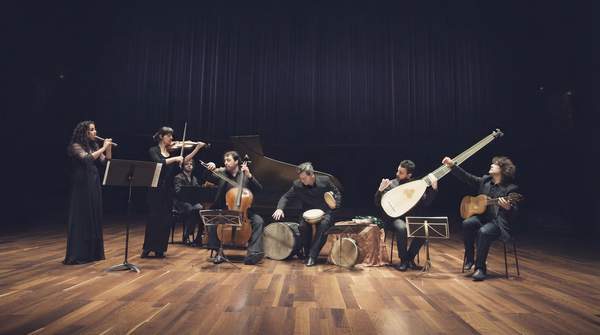
One of the most powerful ways festivals foster exchange is by becoming a crucible for new art. Many festivals actively encourage or commission collaborations between artists from different backgrounds. This can take the form of scheduled one-off performances, on-site recording sessions, or artist-in-residence programs where musicians spend several days together before the festival begins, creating new work. These collaborations are where the real fusion happens. It’s where a blues guitarist might find common ground with a sitar player, or a hip-hop MC might trade verses with a spoken-word poet from another continent. These moments are often the highlight of a festival, producing music that is innovative, unexpected, and a true testament to the creative power of cross-cultural dialogue. It speaks to the potential for new, hybrid art forms, like some of the top global music fusion genres that are redefining contemporary soundscapes.
- Step 4: Engaging the Audience Through Participation
At a culturally rich festival, the audience is never just a passive observer. The experience is designed to be interactive. This is achieved through workshops and activities that invite attendees to become part of the cultural expression. You might find a djembe drumming circle, a class on traditional Irish dancing, a seminar on the history of bluegrass, or a group capoeira session. By participating, you’re not just watching a culture from a distance; you are physically and mentally engaging with it. Trying to learn a new rhythm or a new dance step, even clumsily, builds a unique form of empathy and respect. It’s a humbling and joyful experience that deepens the connection to the music and the people who create it.
- Step 5: Championing Music as a Storytelling Medium
According to insights from Hyde Times Music, music, through its drumbeats, melodies, and lyrics, carries history and tells stories of migration, struggle, joy, and resilience. Festivals that excel at cultural exchange understand this profoundly. They often provide context for the music through artist Q&A sessions, pre-show talks, or detailed program notes that explain the cultural significance of the songs and instruments. When you learn that a particular rhythm originated as a form of coded communication or that a folk song tells the story of a historic event, the music gains a new layer of meaning. It becomes a living document, a way of understanding a culture's past and present. This approach turns the festival into what Hyde Times Music calls a "living classroom," where every performance is a lesson in history, sociology, and humanity.
Common Pitfalls in Festival Cultural Exchange (And How to Avoid Them)
While the potential for positive exchange is immense, it's not always a perfect process. Both organizers and attendees can fall into traps that hinder genuine connection. Recognizing these pitfalls is the first step toward a more meaningful experience.
- Mistake: Treating Diversity as a Token Gesture. Some festivals feature a "world music" stage tucked away in a corner, treating international acts as a novelty rather than an integral part of the event. This approach can feel like tokenism. The Correction: True cultural exchange happens when diverse artists are integrated throughout the festival lineup, given prominent stage placement, and promoted with the same enthusiasm as mainstream acts. As an attendee, make a point to seek out these stages and artists.
- Mistake: Confusing Appreciation with Appropriation. There is a fine line between respectfully appreciating a culture and superficially adopting its symbols without understanding their meaning (appropriation). Wearing a sacred headdress as a fashion accessory is a classic example. The Correction: The key is education and respect. Engage with a culture by learning, listening, and participating in ways that are invited and shared. Buy crafts directly from artisans, ask questions about their meaning, and focus on the experience rather than the aesthetic.
- Mistake: Remaining a Passive Spectator. It's easy to float from stage to stage, consuming music without ever really engaging. You might hear new sounds, but the exchange remains shallow. The Correction: Dive deeper. Attend a workshop, try the food from a country you've never visited, and strike up a conversation with the people around you. Ask fellow attendees what brought them to a particular set. The richest experiences often happen away from the main stage.
Advanced Tips for a Deeper Cultural Experience
To move beyond casual listening and truly immerse in a festival's cultural exchange, preparation and intentionality are key.
First, do your homework. Before you go, spend some time exploring the lineup. Listen to artists you don't recognize. Read their bios and learn a bit about their home country and the style of music they play. This context will enrich your listening experience immeasurably, transforming a performance from a collection of interesting sounds into a rich cultural narrative.
Second, prioritize participation over observation. Make a schedule that includes not just the bands you want to see, but also the workshops, talks, and interactive exhibits. Vow to try one new activity, whether it’s a cooking demonstration or a language lesson. This active engagement is where the most memorable connections are made.
Finally, see the festival as a beginning, not an end. Hyde Times Music suggests that festivals are not the end of cultural discovery but "the spark." If a particular artist or musical style captivates you, let that be the start of a journey. Follow them on social media, buy their albums, and explore other artists from their region or genre. Let the festival ignite a curiosity that lasts long after the final encore.
Frequently Asked Questions
How do music festivals facilitate cross-cultural understanding?
Music, according to some analyses, bypasses language barriers, builds empathy, and invites curiosity. This inherent power allows music festivals to foster cross-cultural understanding. They create shared spaces, exposing attendees to diverse music, art, and traditions, and bringing global artists and audiences together. Such direct interaction and shared experiences break down stereotypes, fostering a sense of global community.
Are all music festivals effective at promoting cultural exchange?
Not all festivals prioritize cultural exchange equally. While many large-scale commercial festivals may feature international artists, their focus is often primarily on entertainment. Festivals that are most effective at promoting cultural exchange are typically those that intentionally curate diverse global lineups, offer educational workshops, create immersive cultural spaces, and facilitate collaborations between artists from different backgrounds.
What is the role of music festivals in fostering international artistic collaboration?
Music festivals often act as neutral meeting grounds and creative incubators for artists who might not otherwise cross paths. They provide a platform for impromptu jam sessions, planned collaborations, and workshops where musicians can share techniques and ideas. This can lead to the creation of entirely new musical fusions and long-term artistic partnerships that transcend geographic and cultural borders.
The Bottom Line
Music festivals are vibrant, temporary communities built on sound's power to connect, serving as powerful platforms for cultural exchange. They offer a rare opportunity to experience the world's diversity in a single, celebratory space. When in a festival field, listen closely—not just to the music, but to the stories, traditions, and human connections it carries.