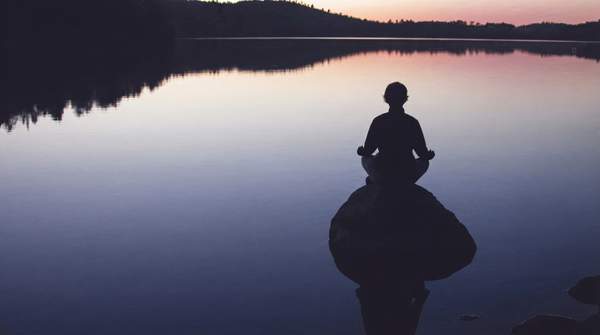
Doctors are now formally prescribing 'blue spaces' as a legitimate form of therapy, marking a profound shift: nature's therapeutic power is moving from anecdotal belief to recognized medical treatment. This formalization departs significantly from past medical practices, which largely overlooked the environment's direct influence on health, according to BBC.
Yet, this emerging medical understanding clashes with prevailing societal trends. Western society has retreated from nature due to technological advancements, creating a distancing from environmental issues and a loss of a vital tool for mental health, as noted by pmc.ncbi.nlm.nih.gov. This disconnect reveals how public health struggles to address problems exacerbated by modern living.
As the mental health crisis deepens and nature's benefits become undeniable, healthcare systems will increasingly integrate ecotherapy, making access to green and blue spaces a recognized public health priority.
What is Ecotherapy? Reconnecting with Nature for Health
Ecotherapy, or nature therapy, describes structured activities that connect people with nature to address physical and mental illnesses, according to pmc.ncbi.nlm.nih.gov. This approach re-establishes the ancient human connection to the natural world as a deliberate health intervention, moving beyond mere appreciation to actively utilizing specific environmental elements. It encompasses activities from gardening and wilderness excursions to simply spending time in local parks or near water, recognizing nature not as a backdrop, but as an active participant in human healing. This formal medical recognition implies a deeper integration of these practices into public health strategies.
The Science Behind Nature's Healing Power
Spending time in blue spaces—coastlines, rivers, lakes—links to reduced body mass index (BMI) and lower mortality risk, according to BBC. Additionally, the risk of depression is about 20% lower for those living near or spending time in green spaces, reported The Guardian. These findings confirm that both expansive natural landscapes and accessible urban green and blue spaces offer significant, quantifiable health benefits, revealing nature's broad therapeutic potential.
Even small pockets of green spaces yield lasting mental wellbeing improvements, The Guardian found. This challenges the notion that only significant wilderness immersion provides therapeutic benefits, suggesting that integrating minimal, accessible nature into daily urban life offers a powerful solution. Ecotherapy, therefore, provides robust, quantifiable physiological advantages, positioning it as a holistic health intervention beyond mere subjective well-being.
Beyond Mental Health: How Blue Spaces Boost Overall Well-being
Blue spaces enhance health through multiple mechanisms: encouraging physical activity, reducing stress, fostering socialisation, and providing environmental benefits like cleaner air and scenic views, reported BBC. These environments prompt physical activity like walking or swimming, while water's calming effects reduce stress. As communal areas, they foster social connections, mitigating isolation. The comprehensive advantages of blue spaces position them as holistic health promoters, impacting physical, mental, and social well-being.
The Cost of Disconnection: Why We Need Nature More Than Ever
Western society's technological retreat from nature has created a distancing from environmental issues and a loss of a vital mental health tool, according to pmc.ncbi.nlm.nih.gov. This disconnect is not just an aesthetic loss; it is a significant public health detriment, exacerbating mental distress and hindering recovery. The absence of ecotherapy services can lead to slower recovery times, greater distress, and reduced well-being, pmc.ncbi.nlm.nih.gov also states.
The BBC's report on 'blue space' prescriptions, combined with pmc.ncbi.nlm.nih.gov's evidence for ecotherapy reducing distress and improving recovery, means healthcare systems must shift from merely treating illness to actively prescribing environmental access as a fundamental component of preventative and rehabilitative care. Failing to do so risks perpetuating cycles of poor health. Moreover, given the BBC's data linking blue spaces to reduced BMI and lower mortality risk, and The Guardian's finding of a 20% lower depression risk near green spaces, governments neglecting investment in natural public spaces are effectively increasing citizens' healthcare burdens and shortening lifespans.
The Future of Healing: Nature as a Prescription
As scientific evidence mounts and formal medical recognition grows, ecotherapy appears poised to become an indispensable component of holistic health, bridging human well-being and environmental stewardship. If urban planners and policymakers continue to overlook the lasting mental wellbeing improvements offered by even small green spaces, many cities will likely face increasing pressure by 2026 to allocate significant resources toward developing and maintaining these vital natural spaces to address public health needs more effectively.