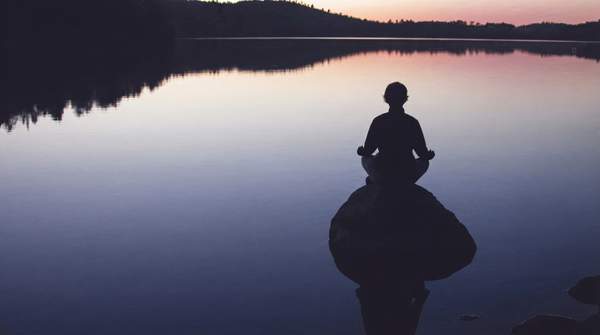
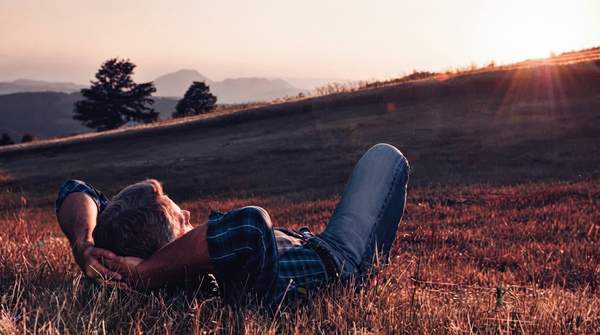
Author Emma Gannon's severe burnout forced her to stop working entirely, highlighting the critical need for practices that prioritize rest over relentless activity. Her experience, detailed in her book 'A Year of Nothing', reflects a wider societal issue where constant busyness is glorified, pushing individuals past their sustainable limits. Society pushes for constant activity and achievement, yet true well-being often emerges from intentional slowness and mindful presence. This tension between external demands and internal needs often leads to burnout, making the very idea of slowing down seem inaccessible. However, based on growing evidence, individuals embracing slow wellness practices are likely to experience greater resilience and a more balanced, fulfilling life, even as the world around them accelerates. These practices, gaining traction in 2026, offer a vital counter-narrative to relentless productivity.
What is Slow Wellness?
The concept of slow wellness diverges sharply from modern life's hurried pace, drawing inspiration from ancient philosophies. Taoism, for instance, suggests mastery is achieved by letting things take their natural course, rather than by constant change, according to Adarshbadri Me. This philosophy underpins slow wellness, which emphasizes intentional alignment with natural rhythms and a mindful approach to daily existence. Slow wellness is not about inaction but mindful presence, encouraging full engagement with experiences. This approach challenges the societal push for constant control and optimization, implying a fundamental clash between prevailing values and a path to sustainable existence. A shift towards acceptance and flow, as Taoism suggests, could unlock deeper, more sustainable forms of achievement and personal peace.
Exploring the Science of Slow Movement
Beyond philosophical roots, specific slow wellness practices offer tangible health benefits. Slow movement with body sense awareness has health benefits on its own, as highlighted by Psychology Today. This mindful deceleration, focusing on bodily sensations, can independently improve physical and mental health. Such practices involve paying close attention to movements, breathing, and sensations, rather than rushing. This proves positive results do not always require intense physical exertion, contrasting with the prevalent belief that only strenuous activity yields health improvements. True well-being, then, isn't about adding more to a packed schedule, but integrating mindful deceleration as a non-negotiable health component, offering a preventative measure against total collapse.
Integrating Slow Wellness into Daily Life
Incorporating slow wellness practices does not mean abandoning an active lifestyle; rather, it enhances it. Slow movement with body sense awareness also has health benefits in combination with regular exercise, according to Psychology Today. This dual benefit suggests intentional deceleration is not a replacement for activity but a foundational element that improves all forms of well-being. For busy individuals, integrating mindful slowness amplifies existing fitness routines—perhaps a few minutes of conscious breathing before a workout or gentle stretching after. Slowness is complementary, not contradictory, to an active life, providing a missing component in typical exercise prescriptions that often overlook the profound impact of mindful presence.
Common Questions About Slow Wellness
What is the difference between slow living and slow wellness?
Slow living is a broader lifestyle philosophy that advocates for intentional choices across various aspects of life, including consumption, work, and relationships, aiming for a more meaningful existence. Slow wellness, conversely, specifically focuses on mental and physical health practices within that broader framework, emphasizing mindful deceleration and presence to enhance overall well-being.
Is slow wellness effective for stress reduction?
Yes, slow wellness practices are highly effective for stress reduction. Techniques such as mindful breathing exercises, gentle stretching, and focused meditation can activate the parasympathetic nervous system, which promotes relaxation and helps lower levels of stress hormones like cortisol, fostering a calmer mental state.
By Q3 2026, integrating just 15 minutes of daily mindful pause, a core tenet of slow wellness, will likely significantly reduce perceived stress levels for many, offering a powerful antidote to relentless productivity models.