Young Americans are now 'Chinamaxxing' their wellness routines, a trend driving significant engagement for brands rooted in traditional Chinese medicine. This cultural phenomenon has led to a 250% increase in organic impressions for wellness brands like Elix that leverage Chinese herbs, according to The Guardian. Rapid adoption of traditional cultural practices for holistic well-being in 2024 signals a profound shift in consumer preferences, moving beyond conventional Western approaches towards ancient wisdom.
Traditional healing practices are experiencing a significant surge in modern adoption and some scientific validation, but their integration into mainstream healthcare is challenged by insufficient safety and efficacy data. This creates a complex environment where perceived wellness benefits often outpace rigorously proven safety measures.
As traditional practices continue to gain popularity, the tension between ancient wisdom and modern scientific scrutiny will likely intensify, pushing for new hybrid models of care while also raising questions about regulation and consumer safety. This dynamic reveals a critical gap between social media-driven enthusiasm and the stringent demands of medical validation.
Understanding the Modern Embrace of Traditional Wellness
The embrace of traditional Chinese medicine (TCM) practices by young Americans, sometimes humorously termed 'Chinamaxxing,' reflects a growing desire for alternative health solutions. This consumer trend has fueled rapid expansion for specific wellness brands. Elix, a company utilizing Chinese herbs, reported a 250% increase in organic impressions and a 40% week-over-week rise in site traffic following the 'Chinamaxxing' trend, according to The Guardian. This surge confirms a consumer base actively seeking holistic health approaches that diverge from conventional Western medicine, drawn by the promise of individualized care and natural remedies. However, this rapid, trend-driven enthusiasm for traditional wellness often outstrips consumer awareness or concern for the potential risks associated with these practices.
Ancient Wisdom in Daily Life
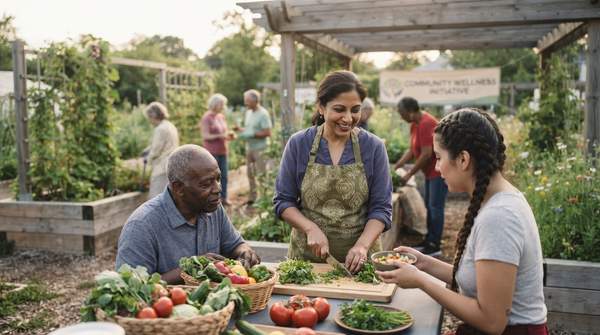
Traditional wellness practices often integrate seamlessly into daily routines, emphasizing prevention and balance rather than reactive treatment. Many global systems advocate for specific dietary habits and lifestyle adjustments as foundational elements of health. These practices view the individual as part of a larger ecosystem, where internal balance is influenced by diet, environment, and social connections. This contrasts with a more symptom-focused model, instead fostering a continuous engagement with one's physical and mental state, suggesting a deeper, more proactive approach to well-being.
Where Science Meets Tradition
Despite the challenges in integrating traditional medicine, specific practices have demonstrated verifiable scientific backing, bridging ancient wisdom with modern understanding. Evidence from over 20 clinical trials confirms yoga's effectiveness in improving pain and back-related function for chronic non-specific lower back pain, according to the World Health Organization. This validation confirms the therapeutic potential of practices rooted in ancient traditions.
A critical antimalarial drug, Artemisinin, was successfully isolated from sweet wormwood after scientists consulted traditional Chinese medical literature, as reported by the World Health Organization. This discovery exemplifies the profound, yet often unfulfilled, potential for traditional knowledge to inform modern medicine. Additionally, acupuncture, a Traditional Chinese Medicine practice, has been shown to decrease inflammation, reduce chronic pain, and alleviate nausea, though incorrect application can lead to rare injuries, according to ebsco. These instances prove that traditional knowledge can yield powerful, scientifically validated health solutions, even if the underlying mechanisms are still being explored.
The Hurdles to Mainstream Acceptance
Integrating traditional medicine (TM) into mainstream healthcare systems faces significant obstacles, primarily concerning research into its efficacy, safety, and mechanism of action. This research often struggles to conform to conventional medicine's established research models, according to PMC. The World Health Organization further notes that the quantity and quality of safety and efficacy data on TM are frequently insufficient for global support.
This disparity in data standards and research paradigms presents a major hurdle for traditional medicine to achieve broader medical recognition. While the isolation of Artemisinin from traditional Chinese medicine proves the immense potential of ancient knowledge, the World Health Organization's persistent concern over insufficient safety and efficacy data for broader traditional medicine suggests modern healthcare is failing to effectively bridge the gap between historical wisdom and contemporary validation, leaving valuable treatments undiscovered or misused. This fragmented and inconsistent landscape of acceptance means that while specific traditional practices can achieve scientific validation, the broader field struggles with a lack of comprehensive data, leading to selective acceptance.
Navigating Safety and Efficacy
What are the potential safety concerns with traditional herbal products?
Many different side effects have been reported from herbal products, according to PMC. These issues can arise from active ingredients, contaminants, or dangerous interactions with other medications a person might be taking. Consumers should consult healthcare professionals to assess potential risks and ensure proper usage.
What are some traditional practices for mental well-being?
While the article focuses on physical health, many traditional practices globally integrate mental and spiritual well-being. For example, indigenous healing rituals often involve community support and ceremonial practices aimed at emotional and psychological balance, providing a cultural framework for mental health that emphasizes connection and collective healing.
What is the connection between culture and holistic health?
Culture deeply influences health practices, beliefs, and the very definition of well-being. Traditional cultural practices often embed health within a community context, promoting communal support and shared rituals that address physical, mental, and spiritual aspects of an individual’s health, fostering a sense of belonging and purpose.
The Future of Holistic Wellness
The future of wellness will likely involve a dynamic interplay between ancient practices and modern science, requiring both open-mindedness and rigorous scrutiny. By late 2024, brands like Elix will likely face heightened scrutiny to provide comprehensive data supporting the safety and efficacy of their traditional herbal products, as regulatory bodies and informed consumers seek to close the gap between popular adoption and scientific validation.