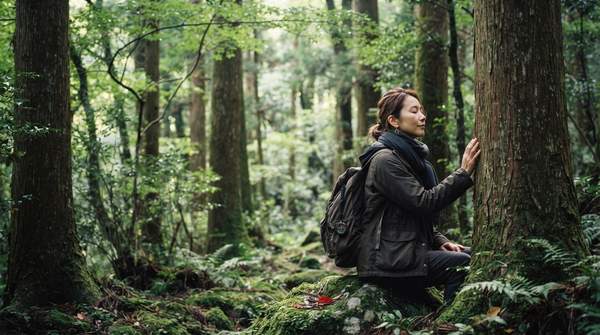
Nearly 60% of young people aged 16-25 are 'very' or 'extremely worried' about environmental problems. This profound concern places a significant emotional burden on the generation inheriting a changing planet. The relentless stream of climate-related news intensifies these feelings, embedding environmental issues deeply into daily life.
Many young people experience profound and debilitating distress due to climate change, yet a significant gap persists in societal recognition and adequate support systems for this emerging mental health crisis. This disconnect between youth's lived experience and available resources means the emotional weight often goes unacknowledged, leaving young individuals to navigate complex feelings largely on their own.
Without proactive measures to understand and manage eco-anxiety, societies risk a widespread decline in mental well-being and increased disengagement among the generations most affected by climate change. This could lead to a future where a significant portion of the population faces functional impairment, impacting productivity and civic participation. The current approach inadequately prepares young people for the psychological realities of climate change.
Defining the Emotional Landscape of Eco-Anxiety
Eco-anxiety, a term gaining recognition, describes a complex array of emotional responses to environmental threats. While some frameworks identify specific components—worries about the future and next generations, empathy, conflict, psychological symptoms, loneliness, frustration, and feeling disturbed by uncontrolled and sudden climate changes—these elements collectively form a broader emotional landscape. This perspective, described by PMC, positions eco-anxiety not as a singular emotion but as a spectrum of distinct, yet related, ecological feelings.
Its multifaceted nature complicates standardized treatment approaches. The emotional burden manifests differently across individuals, demanding nuanced interventions rather than a one-size-fits-all solution. Recognizing this complexity is a crucial first step toward developing effective support systems for those experiencing climate-related distress.

The Profound Emotional Impact on Youth's Mental Well-being
Between 50% and 67% of young people aged 16-25 reported experiencing specific debilitating emotions like sadness, fear, anxiety, anger, powerlessness, helplessness, and guilt due to climate change, according to UNICEF. This widespread emotional distress takes a significant psychological toll, eroding foundational optimism for many young individuals.
Compounding this, a staggering 75% of young people aged 16-25 believe the future is frightening, according to UNICEF. This pervasive belief reveals a failure in current climate communication and coping strategies to instill hope or agency. The data points to a generation potentially paralyzed by fear, rather than empowered to act, highlighting the profound psychological impact exacted by environmental concerns.
How Eco-Anxiety Manifests in Daily Life and Its Triggers
Nearly half, 45% of young people aged 16-25, reported that climate change emotions negatively impact their daily functioning, affecting basic activities such as eating, concentrating, sleeping, going to school, and even playing, according to UNICEF. This statistic confirms a tangible, debilitating effect that extends beyond abstract emotional distress. Society faces not just a mental health challenge, but a looming crisis of productivity and engagement among its future workforce and leaders.
The intensification of eco-anxiety often correlates with real-world climate events. Severe weather occurrences, for instance, can cause heightened fear, stress, and concern for the future, according to PMC. These direct disruptions to daily life and personal experience of climate impacts position eco-anxiety as a practical, not merely abstract, concern for many individuals.
Beyond Worry: Understanding the Broader Consequences
Unaddressed eco-anxiety carries implications beyond individual distress, potentially fostering widespread societal disengagement. When young people experience profound emotional burdens related to climate change, their capacity for proactive engagement in society diminishes. This decline impacts not only individual well-being but also collective action towards environmental solutions.
The sustained emotional toll can manifest in behaviors that hinder personal growth and civic participation. If society fails to provide adequate support, this challenge could lead to a generation less equipped to navigate future environmental realities. Therefore, a re-evaluation of mental health support systems becomes necessary to prevent a broader decline in collective mental resilience and engagement.
Frequently Asked Questions About Eco-Anxiety
How can individuals manage feelings of eco-anxiety?
Learning effective coping mechanisms and engaging in climate action can help individuals manage eco-anxiety. Taking proactive steps, even small ones, fosters a sense of agency and reduces feelings of helplessness. Connecting with others who share similar concerns also provides valuable emotional support.
What role do mental health professionals play in addressing eco-anxiety?
Mental health professionals and organizations developing specialized support are crucial for addressing eco-anxiety. They provide tailored strategies and therapeutic interventions to help individuals process complex emotions. Their expertise is vital in validating experiences and fostering resilience.Why is societal recognition of eco-anxiety important?
Societal recognition of eco-anxiety acknowledges the legitimate distress experienced by many young people. Without this acknowledgment, societies risk failing to provide adequate support systems, leaving affected individuals isolated. Recognizing the issue marks the first step toward developing comprehensive solutions.
Building Resilience in a Changing Climate
If current efforts, such as the Climate Psychology Alliance's planned expansion by 2026 to train mental health practitioners, successfully integrate climate-aware practices into broader support systems, societies may likely see a greater capacity to foster resilience and proactive engagement among young people grappling with eco-anxiety.