In the mid-20th century, a small, close-knit Italian-American community in Roseto, Pennsylvania, baffled medical researchers by exhibiting significantly lower rates of heart disease than the national average, despite similar diets and lifestyles. This unexpected health outcome prompted extensive study into what made Roseto so resilient. The community’s remarkable health statistics were directly linked to its robust social structure and frequent interactions, which significantly reduced stress and fostered a statistically healthier life, according to Ebsco.
Modern life demands constant acceleration and multitasking, but genuine mental clarity and physical health are fostered by deliberately slowing down and focusing on the present. The relentless pace often leaves individuals feeling isolated and overwhelmed. Adopting slow living principles can serve as a crucial strategy for enhancing both individual well-being and community resilience in an increasingly hurried world. This approach emphasizes intentionality and connection.
The Roseto effect, as detailed by Ebsco, unequivocally demonstrates that robust community ties are not merely a 'nice-to-have' but a critical, empirically proven determinant of physical health, challenging the modern medical paradigm's individualistic focus. Social connection and a slower pace of life profoundly impact physical well-being, challenging conventional medical wisdom, as demonstrated by the unexpected health outcome in Roseto.
More Than Just Slowing Down: Defining Slow Living
The philosophy of slow living, often misunderstood as merely reducing one's pace, centers on intentionality. It prompts individuals to reflect deeply on their values and priorities, ensuring that their actions align with what truly matters to them, according to BBC Culture. This focus on conscious choice and value alignment means slow living is not about idleness, but about purposeful engagement with life. It is a deliberate rejection of the constant pressure for acceleration and multitasking that defines much of modern society.
The Power of Presence: Cultivating Mindfulness
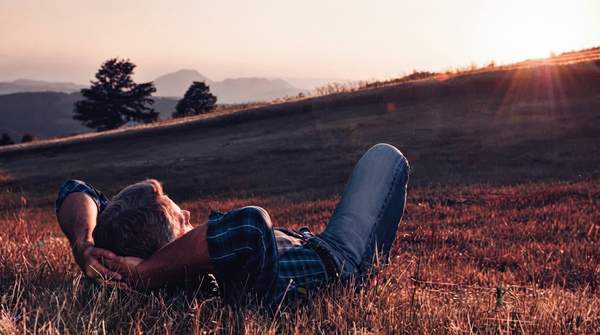
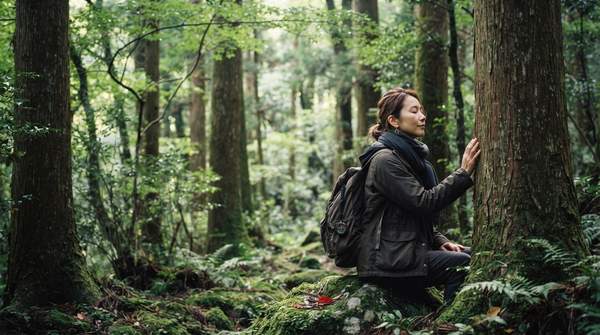
Cultivating mindfulness, a core tenet of slow living, involves consciously embracing the 'here and now.' This practice helps individuals release anxieties about the future and shed regrets from the past, fostering a profound sense of calm, as noted by BBC Culture. By intentionally focusing on the present, individuals significantly reduce the mental burden of past worries and future uncertainties, leading to greater peace of mind. The Roseto effect suggests that physical health benefits attributed to 'slow living' are amplified by an inherent 'present moment' focus and value alignment that naturally arises in strong social environments, reducing chronic stress that impacts physical health.
Simplifying Collective Life for Well-being
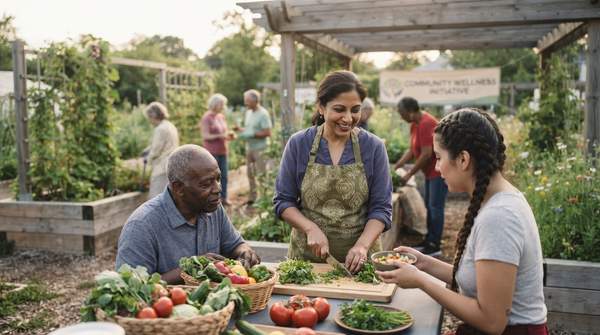
The Roseto community, through its strong social structures, effectively "decluttered" its collective life of modern stressors. By prioritizing close bonds and shared values, residents maintained a clear focus on elements truly essential for their well-being, as observed in their remarkable health outcomes. This intentional simplification of societal pressures allowed the community to invest energy into meaningful interactions. Such collective prioritization suggests that decluttering extends beyond individual physical spaces to encompass the broader social environment, impacting mental clarity and overall health.
Why Intentional Living is Crucial for Modern Well-being
The profound health outcomes observed in Roseto imply that a collective commitment to shared values and social interaction, rather than purely individualistic pursuits, acts as a powerful buffer against modern health epidemics, suggesting societal structure can be a primary determinant of well-being. In a world constantly demanding more, slow living offers a vital framework for reclaiming personal agency and prioritizing genuine well-being over societal pressures. Companies and policymakers promoting individual wellness initiatives without addressing the erosion of communal bonds are missing the most potent antidote to chronic stress and disease, as evidenced by the profound health disparities observed in Roseto versus the national average, according to Ebsco.
Common Questions About Embracing a Slower Pace
What are the core principles of slow living?
Beyond intentionality and mindfulness, the slow living philosophy often embraces principles such as sustainability, localism, and a deeper engagement with traditional crafts and food preparation. It encourages a more thoughtful consumption and production cycle, valuing quality over quantity. This holistic approach seeks to integrate mindful practices across all aspects of daily life.
What are the practical benefits of adopting a slow living lifestyle?
Adopting a slow living lifestyle extends beyond mental clarity, offering benefits like improved physical health through better sleep and more mindful eating habits. It can also foster enhanced creativity by allowing space for reflection and deeper engagement with hobbies. These practices collectively contribute to a stronger sense of purpose and overall contentment.
How can one begin to adopt slow living practices in 2026?
Starting with small, consistent changes is often the most effective way to incorporate slow living into daily routines. This could involve dedicating specific times for mindful eating, implementing digital detox periods, or actively seeking opportunities for community engagement. Gradual adjustments help build sustainable habits without requiring immediate, drastic overhauls.
Embrace the Pause: A Path to a Richer Life
The 'slow living' movement, often framed as individual mindfulness and decluttering, must evolve to prioritize the intentional cultivation of deep, supportive communities, recognizing that collective well-being is the ultimate pathway to individual health. Ultimately, choosing a slower, more intentional life is not about doing less, but about living more fully and authentically. The lessons from Roseto, Pennsylvania, continue to resonate in 2026, reminding us that our deepest connections are our greatest strength.