I once watched a documentary about Kintsugi, the Japanese art of repairing broken pottery with lacquer dusted or mixed with powdered gold. The philosophy behind it is that the piece becomes more beautiful and resilient for having been broken. What if we approached the concept of cultural resilience and societal well-being in the same way? What if the fractures our communities endure—the collective traumas, the economic hardships, the sudden, sweeping changes—are not just points of weakness, but opportunities to mend ourselves with the gold of our shared heritage, creating something stronger and more profound in the process?
In our modern discourse on wellness, the focus often narrows to the individual: my self-care routine, my stress levels, my personal journey. While undeniably important, this perspective can sometimes overlook a more powerful and enduring source of strength—the one we find together. The idea of cultural resilience invites us to look beyond the self and into the intricate web of relationships, traditions, stories, and values that hold a community together. It suggests that our capacity to withstand adversity is not just a measure of individual grit, but a reflection of our collective identity and the resources embedded within our culture. As we navigate an era of global uncertainty, understanding how societies foster this shared strength is more critical than ever.
What Is Cultural Resilience?
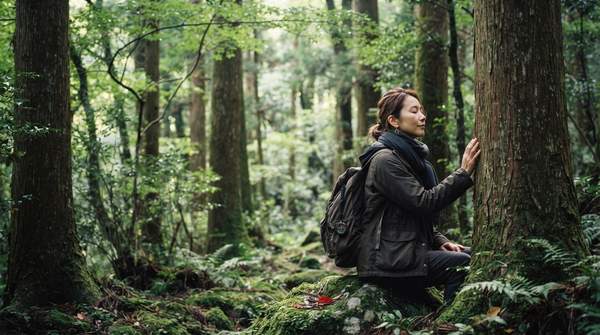
Cultural resilience is a community's capacity to draw upon its shared values, practices, and social bonds to withstand and recover from adversity. It is not about a society remaining unchanged in the face of challenges, but rather its ability to adapt, learn, and grow stronger by leveraging its unique cultural identity. Think of it like a deeply rooted old-growth forest. A single tree might fall in a storm, but the forest as a whole survives because of its complex, interconnected root system, the diversity of its species, and its cyclical processes of decay and renewal. The forest's strength lies not in any single tree, but in the health of the entire ecosystem. Similarly, a community's resilience is found in its collective cultural fabric.
This concept is multifaceted and draws from several streams of research. A report from the NSW Mental Health Commission identifies at least three related fields: community resilience, disaster resilience, and social-ecological resilience. At its core is the idea of community resilience, which scholars have defined in various ways. Nagis (2010), for example, describes it as the "existence, development, and engagement of community resources by community members to thrive in an environment characterized by change, uncertainty, and unpredictability." Ahmed et al (2004) frame it as the features of a community that buffer its residents against adversity and risk. These definitions highlight a few key components of a culturally resilient community:
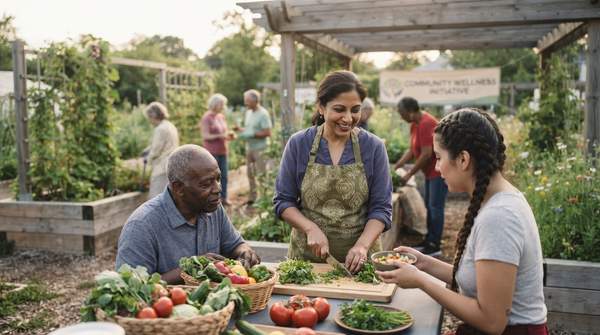
- Shared Assets: These are the tangible and intangible resources a community can draw upon, including social networks, cultural traditions, shared knowledge, and physical infrastructure.
- Active Participation: Resilience is not passive. It requires community members to actively engage with and develop their shared resources.
- Adaptive Capacity: It involves the ability to not just bounce back to a previous state, but to reorganize, learn, and evolve in response to a crisis.
- Protective Buffers: These are the social structures and cultural norms that shield individuals and the group from the worst impacts of stress and trauma.
Cultural resilience manifests as the stories told by elders, the rituals marking seasons and life events, the art expressing collective joy and sorrow, and the social norms encouraging mutual support. These elements are not decorative but essential tools for a community's survival and flourishing, making identity its primary source of strength.
How Societies Foster Psychological Strength Through Cultural Practices
The Rincon Band of Luiseño Indians demonstrated remarkable resilience by enduring over 200 years of historical tragedies, including forced relocations and disease, according to Blue Zones. Their survival, a result of deeply ingrained cultural practices fostering psychological and community well-being, exemplifies the profound strength cultivated by Indigenous communities in the face of immense and prolonged adversity.
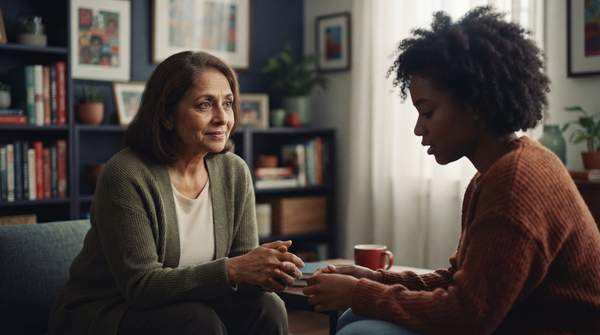
One of the foundational pillars is a collectivist worldview. An Indigenous leader quoted by Blue Zones explains the difference in perspective: "People in this culture say, ‘my family,’ and they’re only thinking about their parents and their children. But for us, ‘our family’ is anyone who is part of our communities." This expansive sense of kinship creates a powerful social safety net. Resources are shared, and responsibility for well-being is distributed across the entire group. This practice of collectivism directly counters the isolation that can be so psychologically damaging during times of stress. Maintaining these strong connections to family and community is seen as crucial for resilience.
- Protecting the Vulnerable: Special care is given to community members who are most vulnerable, particularly elders. Elders are not seen as a burden but as vital repositories of wisdom, tradition, and historical memory. Their protection is an investment in the community's cultural continuity and its ability to navigate future challenges.
- Focusing on Controllable Joys: In the face of systemic issues that feel overwhelming, resilience is found by focusing on what can be controlled. This includes engaging in traditional cultural practices like prayer, singing, and drumming, which provide a sense of agency, connection, and spiritual grounding.
- Sharing Hope: The act of sharing hope and maintaining a positive outlook, even in dark times, is a conscious and collective practice. It reinforces the belief in a shared future and the community's ability to endure.
Building "recovery resilience" is deeply intertwined with culture and community, a concept explored in the Journal of Behavioral Health Services & Research. This strength, generated through shared activities and a collective mindset rather than individual effort, affirms culture as a dynamic, vital source of well-being.
The Role of Culture in Promoting Community Well-being
The principles of cultural resilience, profoundly modeled by Indigenous communities, are universally applicable. Any community can cultivate well-being by nurturing its cultural assets, thereby realizing protective factors essential for mental wellness. The NSW Mental Health Commission identifies these as enhancing control, increasing community assets, facilitating participation, and promoting social inclusion.
Artistic expression fosters social cohesion and well-being, as highlighted by a review in Frontiers in Public Health. Community choirs, local theater groups, quilting circles, or public mural projects do more than create art; they build social networks, shared meaning, and collective identity. These activities facilitate participation and promote inclusion, providing a sense of belonging and purpose fundamental to psychological health.
Culture frames well-being support systems, as exemplified by Canada's Indigenous Primary Health Care Council (IPHCC). IPHCC advocates for coordinated, culturally safe health services, integrating traditional healing and cultural knowledge into modern healthcare. This recognizes the inseparability of mental, emotional, and spiritual well-being, making wellness practices most effective when drawing on culturally relevant sources of strength and resilience. This approach enhances individuals' control over their health by grounding it in a trusted cultural context.
Why Cultural Resilience Matters
Cultural resilience is a vital concept for community recovery in the wake of disasters, social upheaval, or economic decline. It offers a powerful alternative to a fragmented, individualistic world, reminding us that shared stories, traditions, art, and connections are our greatest strength. This means carrying the wisdom of our heritage forward to meet present and future challenges.
Fostering well-being means mending collective fractures with shared culture, not escaping adversity. Actively participating in and celebrating community cultural life is a profound act of collective care, building a more resilient future for everyone.
Frequently Asked Questions
What is the difference between individual resilience and cultural resilience?
Individual resilience refers to a person's psychological capacity to cope with and adapt to stress and adversity. Cultural resilience, on the other hand, is a collective capacity. It is rooted in the shared resources of a community—such as social networks, traditions, values, and language—that enable the group as a whole to withstand challenges and support the well-being of its members.
How can a community start building cultural resilience?
Building cultural resilience involves key strategies: facilitating broad participation in community life, creating inclusive spaces, protecting and promoting cultural heritage and practices, strengthening social support networks, and fostering strong, trusted local leadership. This begins by recognizing and valuing a community's existing cultural resources.
Can art and storytelling really improve community well-being?
Collective storytelling, music, and visual arts foster shared experiences and meaning, strengthening social bonds. These activities provide outlets for expressing complex emotions and reinforcing community identity, directly contributing to collective psychological health and resilience.
The Bottom Line
A community's cultural resilience is its collective ability to leverage shared identity, values, and practices to navigate adversity and sustain well-being. This shifts the focus from individual coping to the strength of social and cultural fabric, underscoring that holistic health requires nurturing the cultural life that connects us all.