What if the most potent tools for our mental well-being aren't found in a clinic, but in the rhythm of a shared song, the wisdom of a story passed down through generations, or the simple act of gathering with our community? In our modern pursuit of wellness, we often focus on individual solutions—the app, the therapy session, the self-care routine. Yet, a growing body of evidence and a wealth of ancestral knowledge suggest that the deep connections between cultural practices, community engagement, and mental health resilience offer a powerful, collective path toward healing. I’ve often sat in circles where stories are told, from the bustling markets of Marrakesh to quiet community halls in my own city, and felt a sense of belonging that no solitary practice could replicate. It’s this communal strength that deserves a closer look.
The conversation around mental health is expanding, moving beyond a purely clinical framework to embrace the profound influence of our social and cultural environments. This is not about rejecting the invaluable contributions of modern medicine, but about enriching our understanding of what it means to be holistically well. Culture, values, and mental health are complexly enmeshed, and what constitutes a disorder or a path to healing can vary significantly across the globe. By exploring these traditional systems of support, we can uncover time-tested strategies for fostering resilience that are more relevant today than ever before. Let's consider the cultural currents that shape not only our distress but also our capacity for profound healing and connection.
What Are Culturally-Based Wellness Practices?
Culturally-based wellness practices are the traditions, rituals, and social structures within a specific cultural group that support the holistic health of its members, encompassing mind, body, and spirit. These are not isolated activities but are woven into the very fabric of a community's life. Think of them as a kind of cultural immune system, developed over centuries to help people cope with stress, navigate hardship, celebrate life's milestones, and make sense of their place in the world. They are the living, breathing expressions of a community's collective wisdom, passed down not as rigid prescriptions but as adaptive strategies for living well together.
These practices are often rooted in a holistic view of health, emphasizing the interconnectedness of all aspects of life. This perspective contrasts with the more segmented approach often seen in the Western biomedical model, which tends to separate physical ailments from mental or spiritual ones. In many traditional views, an imbalance in one area will inevitably affect the others. The goal, then, is not just to treat a symptom but to restore harmony to the whole person within their communal context. The components of these practices are diverse and beautifully varied, but they often include:
- Rituals and Ceremonies: These are structured events that mark significant life transitions, such as births, coming-of-age, marriages, and deaths. They provide a shared script for processing joy, grief, and change, assuring individuals that they are not alone in their most profound experiences.
- Artistic and Embodied Expression: Music, drumming, dance, and storytelling have long served as powerful outlets for emotion and connection. According to the Boris L. Henson Foundation, emerging research indicates that such music-based and embodied practices can reduce anxiety, increase mindfulness, and strengthen social and emotional support networks.
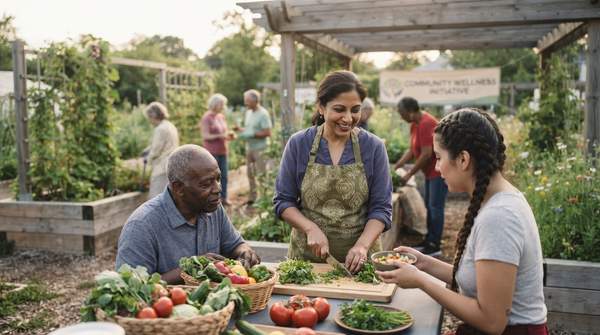
- Community Gatherings: From shared meals and festivals to regular family gatherings, these events reinforce social bonds and a sense of belonging. They are the spaces where support is offered, identities are affirmed, and collective joy is cultivated.
- Spiritual and Philosophical Beliefs: Many cultures possess rich spiritual traditions that provide a framework for meaning, purpose, and hope. These belief systems can offer comfort in times of distress and guide ethical and communal behavior.
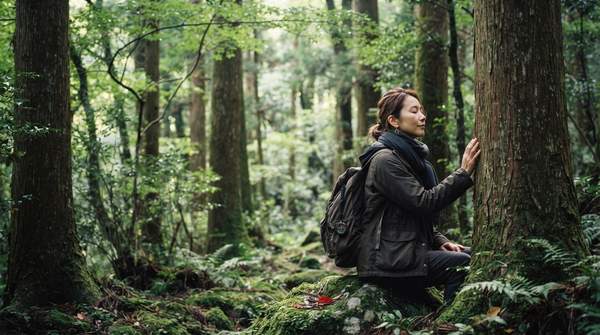
- Connection to Nature and Land: For many Indigenous and traditional cultures, wellness is inseparable from a deep relationship with the natural world. Practices that honor and engage with the land are central to spiritual and mental balance.
How Do Cultural Practices Benefit Mental Health?
The benefits of these practices for mental health are not merely anecdotal; they are rooted in their ability to meet fundamental human needs for belonging, meaning, and identity. When we participate in a cultural tradition, we are doing more than just going through the motions. We are affirming our connection to something larger than ourselves—to our ancestors, our community, and a shared history. This sense of continuity and belonging is a powerful buffer against the alienation and anxiety that can pervade modern life. It provides a stable anchor in a rapidly changing world, reminding us of who we are and where we come from.
Many traditional practices provide a structured and safe container for processing difficult emotions. In the Black community, for instance, ancestral practices like music, drumming, and dance have historically been vital tools for supporting resilience, healing, and joy across the African diaspora. These art forms provide a non-verbal language for expressing experiences that words cannot always capture, from profound grief to ecstatic celebration. Similarly, the Boris L. Henson Foundation reports that the Navajo community utilizes herbs, songs, and ceremonies to address not only physical ailments but also to support mental and emotional well-being, viewing health as a state of harmony. This integration of the emotional and the physical is a hallmark of holistic healing.
The integration of such wisdom into contemporary settings is proving highly effective. Mindfulness and meditation, practices with deep roots in Eastern traditions, have been widely adopted in Western psychotherapy for their proven benefits in reducing stress, anxiety, and depression. This successful integration demonstrates that ancient wisdom has a crucial role to play in addressing modern mental health challenges. According to LBHC Philly, incorporating traditional practices into modern therapeutic approaches is a vital strategy for enhancing treatment outcomes and patient satisfaction. When therapy aligns with a person's cultural worldview, it becomes more relevant, respectful, and ultimately, more effective. The art lies not in replacing one system with another, but in weaving them together to create a more comprehensive tapestry of care.
What Is the Impact of Community Engagement on Resilience?
If cultural practices are the tools for well-being, then community is the workshop where they are forged and utilized. Resilience is rarely an individual trait; more often, it is a collective capacity that is nurtured through social connection and mutual support. A strong community acts as a social safety net, distributing the burden of stress and reinforcing a shared sense of purpose. When we face adversity, knowing that we have a network of people to rely on can make all the difference. This is the essence of community engagement: the active participation in a web of relationships that offers both support and a sense of responsibility to others.
The value of "familismo" in many Latino cultures emphasizes the central role of family, including extended relatives, in providing support and shaping identity. This collective orientation means an individual's struggles are seen as a shared concern, and their triumphs become a source of collective pride. Similarly, across countless cultures, family gatherings and the tradition of storytelling by elders create vital spaces. These strengthen collective support and cultural identity, reinforcing the message that one is part of an ongoing story, a member of a group that has weathered storms before and will do so again.
This collective strength becomes particularly visible in the face of large-scale crises. As reported by Georgetown Today, the Japanese response to the devastating magnitude 9 earthquake and tsunamis in 2011 was deeply influenced by the cultural value of gaman. This concept, which embodies endurance, perseverance, and a priority on social harmony, guided the community's response. It fostered a collective resilience that prioritized the group's needs over individual expressions of distress, allowing the society to function and rebuild in the face of unimaginable loss. This is not to say that individuals did not suffer, but that their culture provided a powerful framework for enduring that suffering together.
Why Cultural Context in Mental Health Matters
Our cultural background profoundly shapes how we understand and experience mental health. It influences everything from the symptoms we notice and how we express them, to whether we believe an issue requires intervention, and where we turn for help. As one expert noted in Georgetown Today, "The way we think and move and interact with the world is all filtered through culture." Ignoring this cultural filter can lead to profound misunderstandings and ineffective care. While the stigma surrounding mental illness is lessening in many parts of the world, some cultures still harbor biases that create significant barriers to seeking help.
A report from Riverside Healthcare highlights that many people avoid or hide their symptoms from family and friends due to a fear of being judged or viewed as weak. This fear is often culturally conditioned. For example, the same report notes that people of Asian descent may be culturally encouraged to practice self-control and emotional restraint, leading them to keep troubling thoughts to themselves. Meanwhile, some African Americans may turn first to spirituality and prayer as primary means of mitigating mental health concerns. These are not deficits but culturally distinct approaches to distress that must be understood and respected by the healthcare system.
The Western biomedical model, with its emphasis on diagnosis and pharmacology, has dominated global mental health research and treatment. This dominance can lead to significant biases and blind spots. For instance, Western definitions of mental illness, such as those in the Diagnostic and Statistical Manual of Mental Disorders (DSM-5), may be too static to capture the full spectrum of human experience across diverse cultures. A more promising approach considers wellness not as the absence of a diagnosed disorder, but as the presence of connection, meaning, and balance, as defined within a specific cultural context. The path forward lies in integration—a partnership where clinicians practice cultural competence, respecting and incorporating a patient's beliefs and traditions into a holistic plan for care.
Frequently Asked Questions
Are traditional practices a replacement for modern therapy?
No, they are best viewed as a powerful complement. Traditional cultural practices can provide crucial preventative care, build long-term resilience, and offer robust support systems that clinical therapy alone may not address. For diagnosable mental health conditions, seeking professional medical advice remains essential. The most effective and respectful approach often integrates both, allowing an individual to benefit from modern treatment while remaining grounded in their cultural sources of strength.
How does culture affect the expression of mental health symptoms?
Culture provides the language and framework we use to understand and communicate distress. In some cultures, emotional turmoil might be expressed primarily through physical symptoms like fatigue, headaches, or digestive issues—a phenomenon known as somatization. In others, distress might be framed in spiritual terms, such as a disconnected spirit, or in communal terms, like a disruption in family harmony. Research cited by Georgetown Today even notes that emotional suppression, often associated with negative outcomes in Western populations, does not appear to have the same negative consequences in some Asian populations where it aligns with cultural values of restraint.
What is 'cultural competence' in mental healthcare?
Cultural competence is the ability of healthcare providers and systems to provide care to patients with diverse values, beliefs, and behaviors. This includes understanding and respecting their cultural backgrounds and tailoring treatment to meet their social, cultural, and linguistic needs. It involves moving beyond mere awareness to actively incorporating a client's cultural framework into the healing process, which might include collaborating with traditional healers, understanding family dynamics like 'familismo', and recognizing different communication styles and expressions of distress.
How can I connect with these practices if I feel disconnected from my culture?
The journey of reconnection can be a powerful act of well-being, especially in our increasingly globalized and diasporic world. You might start with curiosity and gentle exploration. Talk to older family members about their memories and traditions. Research the art, music, food, and stories of your heritage. Seek out community centers, cultural festivals, or local groups dedicated to preserving and celebrating these traditions. The goal is not to perfectly replicate the past, but to find what resonates with you and can bring meaning and connection to your life today.
The Bottom Line
Our well-being is not forged in isolation; it is deeply rooted in the soil of our culture and community. Traditional cultural practices and strong social bonds are not relics of the past; they are vital, time-tested resources for building mental health and fostering resilience in the face of life’s challenges. By embracing a more holistic and culturally-informed perspective on wellness, we can enrich modern therapeutic approaches and cultivate a deeper sense of belonging and strength. We should ask what wisdom our own cultural currents hold for us, right here and now.