Wellness

Cultural Practices for Mental Well-being and Community Resilience

At London Health Science Centre's Victoria Hospital, a new Indigenous Healing Space now offers smudging and circle sessions, marking a significant shift towards culturally-rooted mental health care.

YE
Yasmin El-Sayed

April 12, 2026 · 6 min read

An Indigenous elder conducting a smudging ceremony in a dedicated healing space at London Health Science Centre, symbolizing culturally-rooted mental healthcare.

At London Health Science Centre's Victoria Hospital, a new Indigenous Healing Space now offers smudging and circle sessions, marking a significant shift towards culturally-rooted mental health care. This initiative, part of the Mental Health program, provides a dedicated environment for traditional practices. An Indigenous Patient Navigator role was also established, ensuring patients receive culturally informed care planning and spiritual support, according to LHSC.

Mainstream mental health approaches often focus on individual pathology and quick fixes, but ancestral and decolonial practices demonstrate that true well-being and resilience are deeply rooted in community, cultural identity, and a rejection of capitalist productivity. This reveals a fundamental disconnect in conventional care models.

As the limitations of conventional mental health care become more apparent, the integration of Indigenous and culturally-specific healing modalities will likely become increasingly recognized as essential for comprehensive well-being and community strength. Such integration affirms the profound impact of culture on mental health.

Reclaiming Well-being Through Ancestral and Decolonial Practices

1. Indigenous Healing Space at LHSC Victoria Hospital

Best for: Individuals seeking culturally safe mental health care within institutional settings.

The London Health Science Centre's Victoria Hospital opened an Indigenous Healing Space within its Mental Health program. This unit includes appropriate ventilation for smudging and features a medicine wheel decal to represent cultural safety, according to LHSC. The presence of the Indigenous Healing Space within a mainstream institution is a crucial, albeit nascent, recognition of Indigenous healing as vital to comprehensive mental health care.

Strengths: Institutional recognition; culturally appropriate environment; direct access to traditional practices. | Limitations: Limited to specific institutional settings; frequency of sessions might vary. | Price: Covered by healthcare system.

2. Native American healing ceremonies

Best for: Individuals, families, and communities seeking comprehensive healing rooted in tradition.

These ceremonies involve the patient, the family, and the community in the healing process. Such ceremonial gatherings sometimes last for days or weeks, according to pmc. This deep, collective engagement stands in stark contrast to individualistic Western therapies, emphasizing that true healing often requires a communal journey, not just a personal one.

Strengths: Comprehensive, community-driven healing; addresses interconnectedness of life. | Limitations: May require significant time commitment; availability depends on community. | Price: Varies, often community-supported.

3. Smudging and circle sessions

Best for: Patients seeking spiritual and communal cleansing and support.

Patients can participate in these sessions twice a month with Elder Whiteye within the new LHSC healing space, according to LHSC. These sessions provide a vital conduit for spiritual cleansing and communal support, demonstrating how traditional practices can be integrated to foster belonging and well-being within clinical settings.

Strengths: Spiritual cleansing; communal support; accessible within clinical settings. | Limitations: Limited frequency; specific to certain cultural contexts. | Price: Covered by healthcare system.
4. Artistic, decolonial, and ancestral practices

Best for: Communities and individuals seeking to challenge capitalist productivity through creative expression and collective well-being.

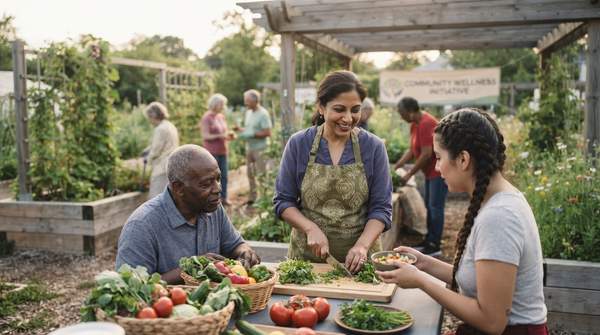
Kristen Young states these practices center needs and teach prioritization of well-being for self and community. This directly challenges capitalism's relentless focus on productivity, offering a pathway to collective rest and care that redefines value beyond economic output, according to Concordia University.

Strengths: Fosters resistance against oppressive systems; promotes collective rest and care. | Limitations: Requires a shift in societal values; not always clinically recognized. | Price: Varies, often community or grant-funded.

5. Treatment approaches rooted in American Indian and Alaska Native values

Best for: Mental health professionals and patients seeking culturally responsive and integrated care.

Mental health professionals advocate for these approaches, which blend Indigenous wisdom and Western practices for better care, according to apa. This integration marks a crucial evolution in mental health care, moving beyond a one-size-fits-all approach to embrace culturally responsive and holistic well-being.

Strengths: Culturally sensitive; integrates traditional knowledge; professionally endorsed. | Limitations: Requires training for practitioners; still emerging in mainstream. | Price: Varies by provider and insurance.

6. Indigenous communities' inherent climate resilience / traditional knowledge

Best for: Communities facing environmental challenges, seeking sustainable and culturally informed solutions.

Indigenous communities actively safeguard biodiversity within their homelands, possessing considerable strength and adaptive capacity. They provide solutions to climate change impacts, as demonstrated by the Indigenous inhabitants of Simeulue Island who survived the 2004 tsunami due to time-tested knowledge, according to arcticwwf and un. This profound connection to land and ancestral wisdom offers a blueprint for collective resilience, demonstrating that environmental harmony is intrinsically linked to community well-being and survival.

Strengths: Proven resilience in crisis; sustainable environmental practices; strong community bonds. | Limitations: Often undervalued by mainstream science; vulnerable to external pressures. | Price: Community-supported, often non-monetary.

7. "Walking in beauty" (Native American ideal of well-being)

Best for: Individuals seeking a guiding philosophy for living in harmony with nature and self.

This Native American ideal requires a close connection to the earth. It emphasizes living in harmony with the environment, according to pmc. Embracing 'walking in beauty' offers a profound philosophical framework for holistic well-being, suggesting that personal peace is inseparable from ecological balance and ethical living.

Strengths: Promotes ecological awareness; fosters inner peace; guides ethical living. | Limitations: Philosophical concept, requires personal commitment; not a direct clinical intervention. | Price: Free, a way of life.

8. Anishinaabe Medicine Wheel

Best for: Individuals and communities seeking a symbolic representation of balance and cultural safety.

The Anishinaabe Medicine Wheel represents the balance between the mental, physical, emotional, and spiritual aspects of life. It is used as a decal in the LHSC healing space to represent cultural safety, according to LHSC. The presence of the Anishinaabe Medicine Wheel in a clinical environment is a commitment to holistic care, moving beyond fragmented treatments to address the interconnectedness of human experience.

Strengths: Visual aid for comprehensive health; represents cultural safety; guides healing processes. | Limitations: Symbolic, not a direct treatment; understanding requires cultural context. | Price: Varies for physical objects, concept is free.

FeatureMainstream Mental HealthIndigenous/Ancestral Cultural Practices
FocusIndividual pathology, symptom reductionCollective well-being, community harmony
Healing ScopePrimarily psychological and biologicalSpiritual, emotional, physical, and community aspects
Cultural IntegrationOften generalized or culturally neutralDeeply embedded in specific cultural identity
Community RoleSupport network for the individualIntegral part of the healing process
Primary GoalReturn to individual productivityRestoration of balance within self and community

The Holistic Power of Community and Cultural Connection

Native American ceremonies involve the patient, the family, and the community in the healing process, sometimes lasting for days or weeks, according to pmc. This deep communal engagement in healing is now echoed by mental health professionals advocating for treatment approaches rooted in American Indian and Alaska Native values, according to apa. The opening of Indigenous Healing Spaces within institutions like London Health Science Centre's Victoria Hospital confirms a critical, albeit nascent, acknowledgment that Western medicine alone cannot address mental health crises exacerbated by systemic cultural displacement and the relentless demands of capitalist society.

Evidence from Concordia University's discussions on racialized labor and rest, alongside the historical health impacts on Native Americans, reveals that prioritizing community-centric ancestral practices is not merely an alternative treatment, but a radical act of resistance against societal norms that actively undermine collective well-being. Diabetes was almost unheard of among Native Americans less than 100 years ago. It now runs rampant due to integration into mainstream culture and adoption of the typical American lifestyle, according to pmc. This stark contrast directly challenges the notion that assimilation is inherently beneficial.

The evidence strongly suggests that a return to community-centered, culturally-rooted practices is essential for individual and collective health. Companies and institutions that continue to push productivity over people, ignoring the deep connection between cultural identity, community, and health, actively contribute to the very mental health crises they claim to want to solve. The stark contrast between traditional Indigenous health and the health outcomes of forced assimilation serves as a powerful testament to this destructive pattern. As community groups in New Orleans build solar-powered 'Community Lighthouses' to speed aid after future storms, according to Bloomberg, this model of local resilience, drawing from shared wisdom, will likely prove crucial for well-being by 2026, demonstrating that true societal health emerges from collective care and cultural grounding.