Community wellness programs are more than just one-day events; they represent diverse, strategic approaches to improving public health. Understanding their underlying structure is key to recognizing how they serve their populations. These initiatives can be broadly categorized into three distinct models: programs targeting specific age groups or health conditions, collaborative hubs that integrate a wide range of resources, and outreach efforts led by academic or clinical institutions. Each model operates with different goals, serves a unique population, and offers a tailored set of services.
Age/Condition-Specific Programs: Targeted Support
One of the most focused approaches to community wellness involves programs designed for specific demographic groups or those managing particular health issues. These initiatives aim to deliver targeted support where it's most needed. For instance, programs may be created for sedentary or de-conditioned adults who have challenges with mobility, according to a report from the Centers for Medicare & Medicaid Services. The primary goal is to address precise health challenges through specialized activities and education.
The services offered are carefully selected to match the needs of the participants. Common offerings include group exercise classes that focus on low-impact aerobics, strength training, stretching, and balance. For older adults, dedicated falls prevention programs are a frequent component. These multi-week classes help participants reduce their fear of falling, set goals for increasing activity, and learn to identify and change environmental risk factors in their daily lives. The structure often includes health education, goal-setting, and problem-solving sessions to empower individuals to manage their health proactively.
Partnership-Based Hubs: Integrated Community Resources
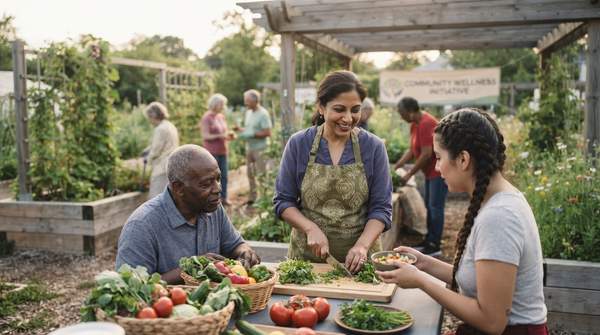
A second model operates by creating community wellness hubs that bring together various local organizations. The success of these programs often relies on collaboration between entities like local governments, healthcare providers, and non-profit organizations. According to the National Recreation and Park Association, these hubs can serve as central points for coordinating services that improve access to food and nutrition while also connecting people to other health and social resources. This integrated approach aims to address the "whole-person health" of community members.
These hubs are designed to serve the broader community but can be particularly effective for high-need individuals. The Administration for Community Living notes that such partnerships centralize administrative functions like contracting, payment operations, and referral management. This allows for the efficient delivery of a wide array of services, including nutritious meals, evidence-based programs for chronic disease self-management, and assistance with daily activities. By pooling resources and expertise, these collaborative initiatives can create comprehensive and sustainable wellness programs tailored to a community's specific needs.