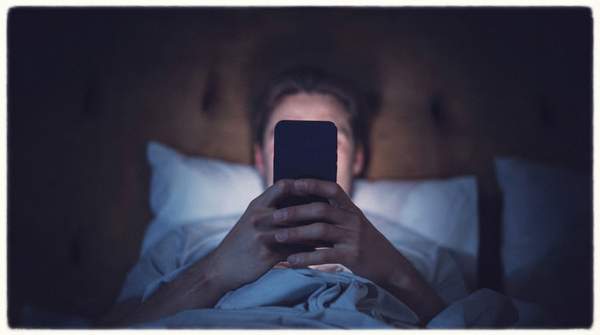
Doomscrolling—the compulsive, almost mindless consumption of distressing online content—has become a common way many people interact with the news. According to a systematic review and meta-analysis published in Frontiers by researchers Qi Li and Xinrui Yin, persistent doomscrolling is associated with greater psychological distress and lower well-being. The behavior follows a predictable psychological cycle, but that cycle can be interrupted with a handful of deliberate strategies and a simple in-the-moment mood check.
What Is Doomscrolling?
Not all news reading qualifies. A University of California, San Diego explainer characterizes doomscrolling as “compulsive, almost mindless consumption of news, often without a real goal,” noting that it can happen even after you have absorbed the key updates and that a hallmark of the pattern is feeling more anxious, sad, or angry afterward. The American Brain Foundation similarly describes it as continuously absorbing distressing information through smartphones and social media.
That definition matters because it separates doomscrolling from ordinary news consumption. Curiosity about current events improves understanding of the world, builds empathy, and can compel positive action, as the Brain Foundation points out. The problem is not the impulse to stay informed but the shift from intentional reading into an automatic habit. The Frontiers review also cautions that doomscrolling may coexist with problematic social media use, habitual news checking, or cyberchondria without being identical to any of them.
The Psychological Loop of Doomscrolling
Psychiatrist Judson Brewer maps the cycle explicitly on his own site: a trigger such as anxiety, restlessness, boredom, or a vague “I should check what’s happening” feeling leads to picking up the phone; the behavior is scrolling; and the result is momentary numbing from novelty and dopamine—followed within minutes by increased anxiety from the negative content, which prompts still more scrolling to numb that new anxiety. Crucially, he notes, the result doesn’t deliver what your brain promised: you don’t actually feel better.
Procrastination feeds the trigger. A University of Colorado Denver wellness piece observes that procrastination is often cited as a top reason people immerse themselves in screens, because scrolling is easy and diverts us from responsibilities and unwanted challenges. Platform design then amplifies the loop. Mental Health First Aid explains that feeds are built around quick, unpredictable rewards, and features like notifications, likes, and personalized content tap into the brain’s reward system. Algorithms learn what you interact with and serve up similar stories, as the Brain Foundation describes, causing even more psychological stress—and consumption becomes compulsion.
The Frontiers review frames the pattern as compatible with “perseverative negative-affect engagement,” a research term for repeatedly returning to content that sustains negative emotion.
Recognizing the Impact on Your Mood
The mood consequences show up in multiple sources. The CU Denver piece describes doomscrolling as feeding the mind the equivalent of junk food, while the Addiction Training Institute lists increased anxiety and stress, disrupted sleep (particularly from late-night scrolling), difficulty concentrating, and emotional fatigue or numbness as measurable effects that can accumulate over time. UC San Diego adds warning signs that the habit has crossed into unhealthy territory: losing sleep, skipping activities you enjoy, or grabbing your phone first thing in the morning and last thing at night even when it makes you feel bad.
One important caveat: the Frontiers systematic review, which synthesized existing studies, emphasizes that most of this evidence is correlational. Doomscrolling is associated with poorer mental health and lower life satisfaction, but the underlying studies have varied in sample composition, crisis contexts, and how well they handled confounding factors—so a proven causal link has not been established. The pattern is real and the association consistent, but researchers themselves flag the limits of what the data can show.
Self-Assessment: Checking Your Digital Well-Being
The simplest diagnostic tool is a single question asked mid-scroll. Mental Health First Aid recommends pausing to ask: “Do I feel informed, or do I feel more anxious than I did 10 minutes ago?” Many people, the organization notes, don’t notice the emotional impact of scrolling until they already feel tense or drained, so the check-in is designed to surface that shift before it compounds. If the answer is “more anxious,” the content is no longer serving you.
Cultivating mindfulness around the habit makes the question easier to answer honestly. CU Denver’s guidance emphasizes “awareness, acknowledgment, and intention to change” as the three-part path to breaking the pattern, and describes mindfulness as practicing presence with your thoughts and feelings without self-judgment. Noticing how you feel both before and after a scrolling session, as Mental Health First Aid suggests, turns an automatic behavior into something you can observe and evaluate—and then deliberately choose to continue or stop.
Your Mindful Media Checklist
The techniques below are organized by the problem each one solves: creating friction before the habit starts, building awareness while it’s happening, and planning what you do instead. Together they form a practical toolkit drawn from health organizations and expert guidance.
| Problem to Solve | Concrete Strategy | Why It Works |
|---|---|---|
| Automatic phone pickup | Keep your most distracting apps off your home screen | Makes opening them a conscious choice rather than a reflex, per Mental Health First Aid |
| Constant interruption | Disable news and social media notifications | Alerts increase stress by interrupting daily activity; turning them off puts reading back within your control, a UC San Diego expert tip |
| Open-ended scrolling sessions | Set specific time limits, such as 20 minutes in the morning and 20 in the evening; when time is up, stop and move on | Creates a boundary between staying informed and spiraling |
| Habitual phone zones | Create “no-phone” zones or times—keep the device out of the bed area and make mealtimes phone-free | Breaks the pattern of picking the phone up and scrolling by default |
| Unnoticed emotional drain | Do a mid-scroll mood check: “Do I feel informed, or more anxious than 10 minutes ago?” | Surfaces the emotional shift while you can still act on it |
| Nothing to replace the habit | Consciously swap scrolling for a healthier or more positive activity of your choosing | Replacing a habit is easier than deleting it; alternative behaviors fill the trigger moment, per CU Denver and the Addiction Training Institute |
| Day starts in the feed | Avoid screens for the first 30 minutes after waking (“low dopamine mornings”) | Sets a deliberate tone for the day before the habit loop can engage |
None of this requires quitting social media or the news. As Mental Health First Aid frames it, the goal is not to eliminate social media but to make your use feel more deliberate—balancing the need to stay informed with reasonable self-care.
Reclaiming Your Digital Well-Being
You can regain control over your digital consumption by pairing the friction-based tactics above—time limits, notification changes, app placement—with the in-the-moment mood check that reveals whether content is informing you or just wearing you down. None of this is clinical treatment; these are sub-clinical, everyday strategies for a general audience, and the research behind them is largely correlational. But the mechanism they target is well described: interrupt a trigger-behavior-result loop before the “result” compounds your distress.
The measurable indicator of success is simple to track. After your next scrolling session, ask whether you feel informed and calm or anxious and drained—and watch whether that answer shifts over a few weeks of using the checklist. A noticeable move from anxious to informed, or a shorter time spent compulsively scrolling, is the observable signal that the new habits are working.
Sources
- Frontiers | Doomscrolling, mental health, and psychological well-being in adolescents and adults:…
- Doomscrolling Again? Expert Explains Why We’re Wired for Worry — TODAY
- Doomscrolling and Its Effects on the Brain - American Brain Foundation
- How to Stop Doom Scrolling: The Neuroscience of the Urge — DRJUD
- The Horrors of Doomscrolling and Its Impact on Mental Health — University of Colorado Denver
- Scrolling Smarter: 5 Digital Habits to Stop Doomscrolling and Improve Mental Health — Mental Health First Aid
- The Dopamine Loop: Understanding Doomscrolling — Addictionstraininginstitute