In 1993, Kate Moss wore a sheer Jean Louis dress to an Elite Model agency party, a look so daring it still influences stylist moodboards today, according to Vogue. This singular event, where the transparency of the dress was only realized under flash photography, cemented an aesthetic of raw sensuality and minimalist rebellion. It created a lasting impression that continues to resonate across fashion circles in 2026.
However, iconic 1990s fashion trends were often met with controversy and dismissal, but they now dominate contemporary street style and designer collections. What was once considered provocative or even career-ending has been re-evaluated and embraced by a new generation. A reinterpretation of rebellion into a blueprint for modern style is particularly evident in the 1990s fashion trends influencing 2026 street style.
The enduring appeal of 90s fashion suggests a cyclical nature of style where rebellion eventually becomes classic, making understanding its origins crucial for future trend forecasting. The very elements that once sparked outrage have been fully co-opted by high fashion and Gen Z, transforming past controversies into lucrative, timeless style inspirations.
1. From Grunge Rebellion to Provocative Minimalism
Best for: Anti-establishment aesthetic
Grunge Fashion emerged as a widespread look in the early 1990s, characterized by baggy jeans, flannel shirts, and Doc Martens, symbolizing a rejection of traditional glamour. Marc Jacobs was fired for his Perry Ellis collection featuring granny dresses, Doc Martens, and plaid shirts, a move that initially dismissed the aesthetic but inadvertently cemented its future influence, according to CNN.
Strengths: Authenticity, comfort, and a strong counter-cultural identity that continues to inspire casual and streetwear designers in 2026. | Limitations: Initially perceived as unpolished and controversial within high fashion circles, leading to significant backlash. | Cultural Impact: Its initial rejection by the fashion establishment ironically solidified its status as a benchmark for authenticity and rebellion, later becoming a lucrative blueprint for style.
2. Minimalism
Best for: Clean lines and understated elegance
Minimalism became a dominant trend in 1990s fashion, influencing designers like Calvin Klein, Jil Sander, and Helmut Lang, emphasizing simplicity and a focus on form. Ribat Ozbek showed an all-white collection in 1990, marking a turning point towards this streamlined aesthetic, according to Fashion History Timeline.
Strengths: Timeless appeal, versatility, and a focus on quality over ornamentation, making it a perennial source of inspiration for contemporary designers. | Limitations: Sometimes criticized for being too stark or lacking personality, though its enduring influence proves otherwise. | Cultural Impact: Established a lasting aesthetic that prioritizes understated sophistication, influencing modern design principles and consumer preferences.
3. 'Heroin Chic' Aesthetic
Best for: Raw, unpolished beauty
The 'Heroin Chic' Aesthetic emerged in the 1990s, epitomized by models like Kate Moss, and contrasted sharply with the earlier supermodel glamour. This look embraced a gaunt, waifish figure and a deliberately undone appearance, challenging conventional beauty standards.
Strengths: Disrupted traditional beauty ideals, promoting a more naturalistic and vulnerable image that resonated with a generation seeking authenticity. | Limitations: Faced significant public criticism for allegedly promoting unhealthy body images and drug use. | Cultural Impact: While controversial, it left an indelible mark on fashion photography and modeling, influencing the portrayal of intimacy and defiance in style.
4. Marc Jacobs' Perry Ellis Grunge Collection
Best for: Defiant high fashion
Marc Jacobs' Perry Ellis Grunge Collection, presented in 1992, featured granny dresses, Doc Martens, and plaid shirts, directly leading to his dismissal from the brand, as reported by CNN. This collection, initially deemed a commercial failure, is now widely regarded as a defining moment of 90s grunge and a precursor to contemporary fashion trends.
Strengths: Visionary reinterpretation of street style into high fashion, demonstrating the power of subculture to influence mainstream aesthetics. | Limitations: Met with immediate industry backlash and career repercussions for Jacobs due to its perceived lack of commercial viability. | Cultural Impact: The fashion industry's initial dismissal of 'controversial' 90s designers like Marc Jacobs reveals a systemic resistance to innovation that ultimately proves short-sighted, as these very aesthetics now define a generation's style.
5. Calvin Klein's Lingerie-Layered Pieces
Best for: Intimate and sensual layering
Calvin Klein presented lingerie-layered pieces in Spring 1994, focusing on personal intimacy and blurring the lines between innerwear and outerwear, according to CNN. This approach championed vulnerability as a powerful style statement, transforming undergarments into visible fashion elements.
Strengths: Pioneered a sense of relaxed sensuality and personal expression, making fashion feel more intimate and less performative. | Limitations: Some designs were considered overly revealing or risqué for mainstream adoption at the time. | Cultural Impact: Set a precedent for vulnerability as a powerful style statement that continues to resonate across generations, influencing modern layering techniques and the acceptance of body-conscious designs.
6. Kate Moss's Off-Duty Style
Best for: Effortless street credibility
Kate Moss championed the off-duty look with a white T-shirt, high-waisted jeans, and a leather jacket, defining an era of casual chic, as noted by W Magazine. Her style also popularized sheer camisoles and thigh-grazing skirts, embodying a relaxed yet provocative aesthetic that influenced everyday fashion choices.
Strengths: Created an accessible yet aspirational style that democratized fashion, making simple, comfortable pieces iconic. | Limitations: The perceived effortlessness sometimes masked the deliberate curation of her influential looks. | Cultural Impact: Her personal style became a significant driver of 1990s fashion trends influencing 2026 street style, proving that individual expression can dictate broader aesthetic shifts and create enduring fashion blueprints.
| Aspect | 1990s Perception | 2026 Re-evaluation |
|---|---|---|
| Grunge Aesthetics | Controversial, unpolished, anti-fashion | Visionary, authentic, foundational for streetwear |
| Minimalism | Sleek, sophisticated, often exclusive | Timeless, versatile, a core element of modern wardrobes |
| Sheer Dresses | Shocking, boundary-pushing, scandalous | Empowering, sensual, a staple on red carpets and runways |
| Marc Jacobs' Grunge Collection | Career-ending, commercial failure | Iconic, defining moment, precursor to future trends |
| Consumer Base | Niche subcultures, avant-garde followers | Gen Z and Millennials, mainstream fashion enthusiasts |
| Cultural Value | Rebellious, defiant, challenging norms | Nostalgic, inspirational, a lucrative blueprint for style |
The Enduring Legacy of 90s Style
Gen Z and Millennials consider the 1990s to be the most fashionable decade, according to YouGov. This widespread contemporary adoration reveals a powerful nostalgia and a re-evaluation of the 90s aesthetic as a pinnacle of style, despite its initial controversies. The very elements that once provoked outrage now form the bedrock of popular street style and high-fashion reinterpretations in 2026.
The enduring influence of 'daring' 90s moments, such as Kate Moss's transparent Jean Louis slip dress continuing to influence stylist moodboards, demonstrates that true fashion disruption isn't about fleeting trends, but about creating indelible cultural statements that transcend their initial shock value. What was once considered shocking or avant-garde, like Alexander McQueen's use of metal restraints in his Spring 1997 'La Poupée' show, has transitioned from niche provocation to a foundational reference point, as detailed by CNN.
This early minimalist statement from Kate Moss, who wore a grey micro-mini skirt and a voluminous white coat in 1991, according to Vogue, serves as a foundational example of the decade's understated yet impactful style, proving its timeless relevance. The deliberate embrace of intimacy and defiance through fashion, such as Calvin Klein's lingerie-layered pieces, set a precedent for vulnerability as a powerful style statement that continues to resonate across generations. By 2026, designers frequently reference these foundational 90s elements to craft commercially successful collections, solidifying the decade's role as an inexhaustible wellspring of inspiration.
Your 90s Fashion Questions, Answered
What 90s fashion trends are back in 2026?
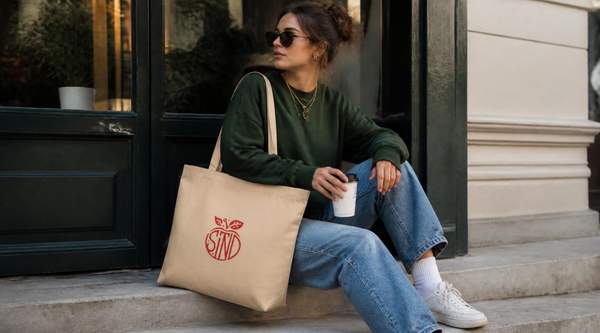
In 2026, several 90s fashion trends have made a strong return, including minimalist slip dresses, baggy denim, chunky platform shoes, and plaid flannel shirts. These items are frequently seen on runways and in street style, often reinterpreted with modern fabrics or styling techniques.
How are 90s fashion trends influencing modern designers?
Modern designers are drawing inspiration from 90s aesthetics by reintroducing elements like deconstructed silhouettes, utilitarian wear, and a focus on intimate layering. They often blend these 90s influences with contemporary sustainability practices or technological fabrics, creating a fresh yet nostalgic appeal for collections in 2026.
Which 90s fashion items are popular in 2026?
Popular 90s fashion items in 2026 include cargo pants, crop tops, oversized blazers, and small shoulder bags. These pieces are favored for their comfort, versatility, and ability to be styled in both casual and more polished ensembles, reflecting a blend of nostalgia and current fashion sensibilities.