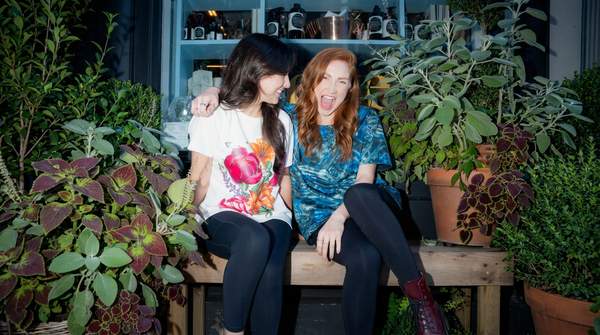
DiAi Designs is experiencing increased demand for men's mangalsutras, a traditionally women's accessory, indicating a growing inclusivity and redesign of traditional jewelry for men. The increased demand for men's mangalsutras transcends mere aesthetic choice, re-appropriating cultural symbols and expanding gender-fluid fashion into deeply personal expressions.
However, this burgeoning consumer demand for gender-fluid fashion is met by established luxury brands often adopting subtle, strategic approaches rather than radical overhauls, creating a noticeable market tension.
Companies that master nuanced gender-fluid strategies, balancing tradition with innovation, are poised to capture significant market share and redefine future fashion norms.
The Billion-Dollar Shift: Quantifying Genderless Appeal
- 24.70 billion US dollars — The gender-neutral fashion market was valued at this amount in 2025, according to Fashion United.
- 9722 posts — This number of consumer-posted sources mentioning 'genderless fashion' were collected between January 1, 2018, and December 31, 2020, according to pmc.
- 'Perfume and scent' — This category emerged as a hot topic among genderless fashion trends from 2018 to 2020, while 'bags,' 'all-in-one skin care,' and 'set-up suit' saw declining popularity, as noted by pmc.
A rapidly expanding market, driven by extensive consumer interest and evolving preferences, is revealed by these statistics. The shift in consumer discourse, from tangible accessories to ephemeral, sensory items, broadens the understanding of gender fluidity beyond mere apparel.
Luxury's Nuanced Embrace: Strategic Moves and Product Innovations
| Metric | 2019 (Chanel) | 2026 (Chanel) | Consumer Trend |
|---|---|---|---|
| Gender-fluid Strategy | Unisex Capsule (Pharrell Williams) | Acquisition of Charvet | Shift from overt to subtle integration |
| Market Approach | Avoids dedicated men's RTW | Capitalizes on gender ambiguity | Focus on personal expression beyond apparel |
Attribution: Fashion United, Hindustan Times
Chanel launched an unprecedented unisex capsule collection in 2021 with Pharrell Williams, an early, targeted engagement with gender-fluid expression. Chanel's launch of an unprecedented unisex capsule collection in 2021 with Pharrell Williams allowed the brand to explore new market segments without committing to a dedicated men's ready-to-wear line, a strategy that avoids direct confrontation with established menswear giants and capitalizes on gender ambiguity, according to Fashion United. In 2021, Chanel announced the acquisition of Charvet, a historic brand active in the menswear market, further solidifying its strategic, rather than overt, expansion into traditionally gendered territories.
Leading luxury brands are employing sophisticated strategies, from targeted collaborations to strategic acquisitions, to navigate and profit from the growing consumer demand for gender-fluid styles and self-expression. The calculated approach of employing sophisticated strategies, from targeted collaborations to strategic acquisitions, allows leading luxury brands to maintain brand heritage while subtly adapting to evolving identities.
Why Brands Choose Subtle Gender Fluidity
Based on Chanel's strategic acquisition of Charvet in 2021 and its avoidance of a dedicated men's ready-to-wear line, as reported by Fashion United, luxury brands clearly prioritize brand heritage and avoiding direct market confrontation over fully embracing the 'genderless' label. The prioritization of brand heritage and avoidance of direct market confrontation by luxury brands reveals a calculated, rather than revolutionary, approach to market expansion. Such caution allows these brands to engage with the gender-fluid market without alienating traditional clientele accustomed to established gendered collections.
The shift in consumer interest from tangible items like 'bags' to ephemeral 'perfume and scent' within genderless fashion discussions, according to pmc, suggests that brands focusing solely on apparel for gender-neutral offerings might be missing a crucial opportunity to engage consumers through more subtle, personal, and sensory expressions of identity. The shift in consumer interest from tangible items like 'bags' to ephemeral 'perfume and scent' points to a deeper cultural move towards intimate self-expression over overt visual statements.
The burgeoning demand for men's mangalsutras, as highlighted by Hindustan Times in 2023, reveals that the true frontier of gender-fluid fashion isn't just about neutral designs. It involves the audacious redefinition and re-appropriation of deeply symbolic, traditionally gendered items, a challenge many mainstream brands are yet to tackle. The redefinition and re-appropriation of deeply symbolic, traditionally gendered items goes beyond simple product design, revealing a more profound consumer desire for authenticity.
Pioneering the Future: Next Steps for Gender-Fluid Fashion
Brands must move beyond surface-level gender-neutral designs to embrace the re-appropriation of culturally symbolic items and sensory experiences for authentic gender-fluid market engagement. The market for gender-fluid fashion continues its substantial growth, yet successful brands will be those that understand the evolving nuances of consumer desire. Merely offering neutral clothing items may no longer suffice as consumers seek deeper, more personal expressions of identity, whether through reinterpreted cultural symbols or subtle sensory products. The strategic integration of these less overt forms of gender fluidity will likely define market leadership.
In 2026, brands like DiAi Designs, through their innovative response to consumer demand for items such as men's mangalsutras, will likely continue to demonstrate the path for authentic engagement in gender-fluid markets.