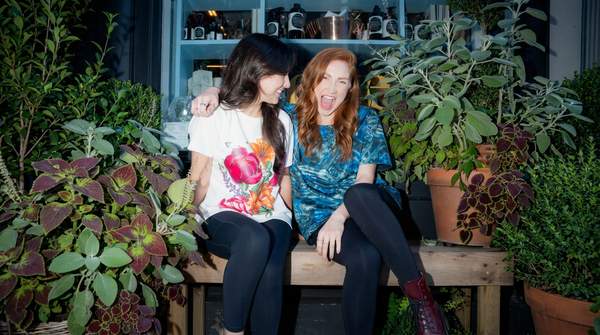
Brands like LaDoubleJ now sell "Sciura T-shirts," transforming a nuanced Milanese cultural archetype into a commercialized social media phenomenon. This repackages traditional Milanese elegance for a broader, often superficial, digital audience, altering its original context.
Yet, the 'sciura' archetype traditionally represents authentic, adaptable Milanese women, embodying a resilient spirit. This original meaning contrasts sharply with its current incarnation as a kitschy marketing tool for various brands.
The commercialization of cultural aesthetics through social media risks flattening complex identities into marketable trends. This erodes their original meaning and the profound stories they once held, prioritizing profit over cultural depth.
The 'sciura,' a term for elegant, mature Milanese women with understated yet impeccable style, is now a contested icon in the digital age. These women were known for their refined presence and distinct way of navigating Milan's social fabric. Their style prioritized enduring quality and personal expression over fleeting trends, reflecting quiet confidence. The contemporary fascination with "Sciura style fashion" has sparked a debate about authenticity and commercial exploitation. This raises questions about how cultural archetypes survive and transform on global platforms.
The Milanese Lady, Reimagined
The 'sciura' archetype transitioned from a distinct Milanese social figure to a widely recognized social media icon, a transformation Italy Magazine describes as "complicated." Traditional cultural figures are reinterpreted, gaining new, complex forms of public fascination in the digital sphere. Originally, a sciura embodied a sophisticated, often older Milanese woman with cultivated style and a prominent, discreet community presence. She connected deeply to Milanese traditions and societal norms. The digital sphere, however, abstracts this figure, focusing on visual aesthetics over underlying cultural nuances.
From Authenticity to Aesthetic: The Commercial Embrace
The 'sciura aesthetic' is now adopted and capitalized on in fashion marketing. Brands like LaDoubleJ sell "Sciura T-shirts" and incorporate these figures into their branding, Italy Magazine reports. Cultural identities are increasingly commodified, turning a lifestyle into a marketable product. Such commercialization extracts visual elements from their cultural context, stripping them of original depth and meaning. The focus shifts from the lived experience of these women to a superficial representation, easily consumed and sold, diluting the sciura's essence.
Reclaiming the 'Sciura': A Battle for Meaning
In the early 2010s, 'sciura' acquired a negative connotation. This led to active efforts to reclaim the term, highlighting an image of adaptable, authentic women, Italy Magazine reported. This pushback sought to restore depth and authenticity to cultural labels. The goal was to celebrate women embodying resilience and genuine connection to Milanese life, moving past derogatory associations. Ironically, these efforts to popularize and positively re-frame the archetype, meant to restore its authenticity, inadvertently made it vulnerable to superficial commercialization, undermining the original intent.
The Kitschification of Culture
The sciura has transformed into a social media phenomenon and a kitschy marketing tool for Italian brands like La Double J, The Attico, and Milanese restaurant Sant Ambroeus, Monocle reports. Digital platforms can simplify and commercialize cultural nuances, often at the expense of their original depth. Brands profit from a simplified, kitschy interpretation of the 'sciura' aesthetic, largely ignoring the complex cultural journey and the nuanced "complicated" fascination surrounding the archetype. Italy Magazine's reporting suggests brands like LaDoubleJ are not just selling clothes; they actively participate in the cultural appropriation of a nuanced Milanese identity, reducing its complex history to a marketable caricature.
Your Sciura Style Questions, Answered
What are the key elements of Sciura style fashion?
Sciura style often features timeless, high-quality pieces, including tailored blazers, silk scarves, elegant handbags, and classic jewelry. Comfort and practicality are paramount, alongside a preference for luxurious fabrics like cashmere and fine wool, creating an effortlessly chic yet understated appearance.
Where did Sciura style fashion originate?
The origins of Sciura style are deeply rooted in Milanese society, emerging from the city's affluent upper-middle class. These women, often homemakers or prominent figures in cultural circles, developed a distinct fashion sensibility characterized by discretion, quality, and an enduring elegance that prioritized personal style over transient trends.
How has Sciura style fashion evolved over time?
Initially a localized expression of Milanese elegance, Sciura style gained broader recognition through street style photography and social media, particularly in the mid-2010s. This digital exposure broadened its appeal, transforming it from an inherent social status symbol into a widely admired aesthetic, albeit one that faces commercial simplification.
Beyond the Trend: The Enduring Spirit of the Sciura
The 'sciura's' evolution from a reclaimed symbol of authentic womanhood to a "kitschy marketing tool" (Monocle) warns that popularizing cultural archetypes can strip their depth, leaving them vulnerable to commercial exploitation; by 2026, brands like LaDoubleJ will likely balance commercial appeal with cultural respect as consumers demand more authentic narratives.