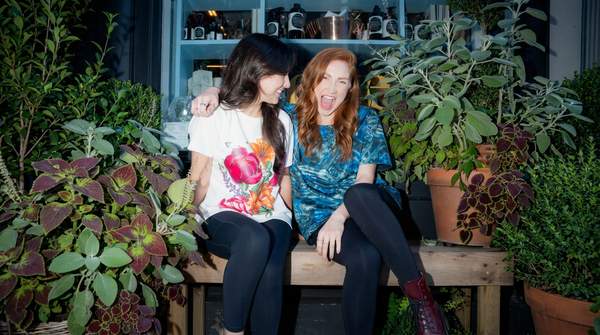
A single cashmere sweater from The Row, a quiet luxury staple, can cost more than a month's rent for many, yet its appeal to the over-40 demographic is surging in 2026. Searches for 'quiet luxury over 40' increased by 300% in the last year, according to Google Trends. This demographic actively seeks enduring style over fleeting trends, with luxury resale platforms reporting a 45% increase in demand for unbranded, high-quality items, states The RealReal Q3 Report. Quiet luxury is marketed as an accessible aesthetic for mature women, but its true cost often places it firmly out of reach for the average consumer. A powerful societal desire for perceived status is revealed by this discrepancy, even if it means aspirational consumption that reinforces existing class divides. The quiet luxury trend, despite its understated appeal, will likely further segment the fashion market, emphasizing a divide between aspirational aesthetics and genuine financial access.
Companies marketing 'accessible' quiet luxury exploit this demographic's desire for sophistication and financial prudence, selling an illusion of attainability while solidifying class distinctions. A recent survey found 70% of women over 40 prioritize quality and longevity over brand visibility, according to a Fashion Institute of Technology Study. The preference for quality and longevity aligns with the quiet luxury ethos but often clashes with its actual price points.
The Allure of Understated Elegance
Quiet luxury is defined by premium fabrics like cashmere, silk, and merino wool, as detailed by Vogue Business, emphasizing neutral palettes, classic silhouettes, and impeccable tailoring, according to Harper's Bazaar. The aesthetic of premium fabrics, neutral palettes, classic silhouettes, and impeccable tailoring offers the over-40 demographic a mature rejection of overt consumerism, favoring enduring quality and personal style. Psychologists note that mature consumers often seek authenticity and investment pieces over fast fashion, reports the Journal of Consumer Psychology. Brands like Loro Piana and Brunello Cucinelli, known for their understated quality, saw sales growth of 15-20% in the past year, states a Luxury Market Report. Sales growth of 15-20% confirms a robust market for high-quality, unbranded goods, yet simultaneously highlights the significant financial barrier to entry.
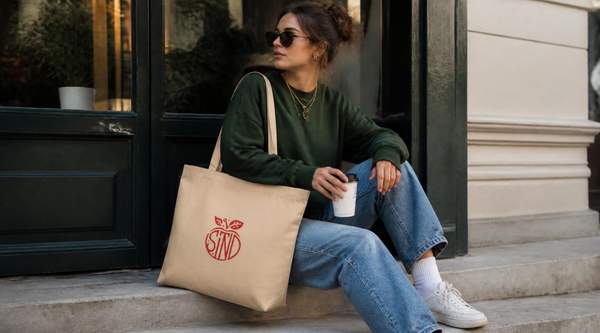
A/W 2026: The Future of 'Quiet'
Fashion forecasters predict a continued emphasis on 'investment dressing' for A/W 2026, moving beyond seasonal fads, according to a WGSN Trend Report. Major design houses observed at Paris Fashion Week A/W 2026 Previews are showcasing collections with fewer logos and more emphasis on fabric innovation and craftsmanship. While the industry embraces quiet luxury's aesthetic, the escalating cost of entry threatens to make it increasingly inaccessible. The average price point for these items is projected to rise by another 8-10%, according to a Bain & Company Luxury Study. The projected 8-10% rise in average price point suggests that while quiet luxury is presented as an enduring investment, its rising costs render it vulnerable to the fashion cycle's economic shifts, potentially devaluing 'investment' pieces for those unable to keep pace. For more, see our Major Event Dress Decisions With.
Beyond the Hype: A Historical Perspective
Historically, luxury was defined by exclusivity and craftsmanship, often without overt branding until the mid-20th century, according to Fashion History Museum Archives. The historical definition of luxury by exclusivity and craftsmanship contrasts sharply with the logo-mania of the 1990s and 2000s, which shifted luxury towards visible status symbols, as reported by The Business of Fashion. Quiet luxury thus marks a return to older definitions of wealth and taste, subtly reinforcing a new form of elite signaling under the guise of sophistication. For women over 40, this trend offers a counter-narrative to ageist fashion stereotypes, promoting elegance over youthfulness, suggests the Sociology of Fashion Journal. Critics argue that 'quiet luxury' inadvertently creates a new form of class signaling, where only those 'in the know' recognize the value, states the Cultural Studies Review. The trend does not democratize high fashion; it merely shifts the goalposts for status signaling, making it harder for those without significant inherited or accumulated wealth to 'read' or participate in elite fashion codes without financial strain.
What Comes After Quiet?
A rise in 'dupe' culture for quiet luxury items is expected, as fast fashion attempts to replicate the aesthetic at lower price points, according to TikTok Trend Analysis. Concurrently, sustainability initiatives are likely to merge with quiet luxury, emphasizing durable, ethically sourced materials, reports the Global Fashion Agenda Report. The trend will likely bifurcate: true luxury remaining exclusive, while a more accessible, quality-focused interpretation emerges for the broader market. Personal styling services for the over-40 demographic are seeing increased demand for guidance on building a quiet luxury wardrobe, states a Stylist Network Survey. Increased demand for guidance on building a quiet luxury wardrobe suggests sustained consumer interest, even as attainability remains stratified.
If the industry fails to bridge the gap between aspirational aesthetics and genuine financial access, quiet luxury risks becoming an increasingly exclusive signifier, further entrenching fashion's class divides.