The fast fashion industry, built on a model of mass production, low prices, and rapid style turnover, is responsible for staggering environmental damage and widespread human rights infringements. This system, which encourages high sales volumes, generates approximately 10% of global carbon emissions—a contribution larger than all international flights and maritime shipping combined, according to a report from Earth.Org. The industry's relentless pursuit of the latest trends at the lowest possible cost creates what the organization Earth Day describes as a "relentless cycle of exploitation" for millions of garment workers. Simultaneously, its environmental footprint extends from consuming vast quantities of water to polluting oceans and landscapes with microplastics and textile waste.
Environmental Footprint Across the Garment Lifecycle
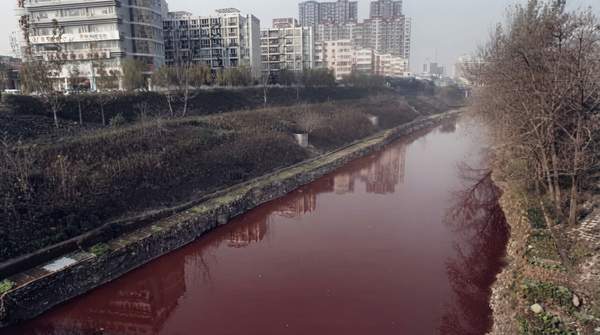
The environmental impact of a single garment unfolds across its entire life, from the cultivation of its fibers to its eventual disposal. The fashion industry is the second-largest consumer of water globally, with the Australian Human Rights Institute reporting its annual use at around 93 billion cubic meters—enough to meet the needs of five million people. During manufacturing, water pollution from production has a "devastating impact on the health of local people, animals and ecosystems" where factories are located, as noted by the European Parliament. The use of chemicals in this process also raises serious health concerns for both workers and consumers.
The damage continues long after a purchase is made. The simple act of washing synthetic fabrics, a staple of fast fashion, releases over half a million tonnes of microplastics into the oceans every year. Ultimately, the model’s emphasis on disposability creates staggering amounts of waste. In the European Union alone, fast fashion is responsible for 12.6 million tonnes of textile waste annually. Much of this ends up in common landfill sites, such as those in Accra, Ghana, or Chile's Atacama Desert, where textiles can take up to 200 years to decompose. This cycle is perpetuated by declining prices and quality, which may diminish the long-term demand for used clothing, further straining waste systems.
The Human Toll: Labor Exploitation in Fast Fashion
Beneath the seams of trendy, inexpensive clothing lies a significant human cost. In the global pursuit of the latest styles, consumers often overlook the price paid in "sweat, suffering, and silenced voices" by garment workers around the world. According to an article from Earth Day, millions of workers are trapped in a system that depends on their labor but frequently ignores their fundamental rights. The constant pressure for low costs and quick turnarounds often leads to conditions that constitute infringements on human rights, a concern highlighted by the Geneva Environment Network. This exploitation is not an accidental byproduct but a core component of a business model that prioritizes speed and profit above all else, creating a global workforce that bears the true burden of fast fashion.
Empowering Consumers: Individual Actions for Change
Addressing the complex problems of fast fashion begins with the individual. Consumers hold significant power to pressure companies toward more ethical practices through conscious and informed decisions. According to Earth Day, by supporting brands that are transparent about their labor practices, shoppers can directly influence corporate behavior. This involves actively researching companies through resources like the Fashion Transparency Index to understand their supply chains and commitment to fair treatment for workers. The choices made at the checkout counter carry a "collective responsibility that impacts workers’ lives." Beyond purchasing habits, consumers can contribute to systemic change by signing petitions, such as EARTHDAY.ORG’s call for stronger protections for garment workers, amplifying the demand for accountability across the industry.
Industry Transformation: Corporate Responsibility and Innovation
While consumer pressure is vital, meaningful change also requires a fundamental shift within the fashion industry itself. Some companies are already moving independently to address their environmental and social impacts. The French sneaker company Veja, for instance, designs its shoes in France but produces them in Brazil, promoting circular business practices. This move toward circularity—designing products for reuse, repair, and recycling—is a critical step away from the linear "take-make-waste" model. To encourage this transition, governments are exploring incentives. One proposed bill cited by the Australian Human Rights Institute includes a 15% tax reduction for businesses that embrace circularity, alongside billions in loans and grants to support manufacturing, reuse, and research. This push is complemented by the rise of "eco-fashions," as some manufacturers aim to develop more sustainable products to find a niche in an increasingly competitive market.
Global Governance: Regulatory and Intergovernmental Efforts
On a global scale, international organizations and regulatory bodies are working to establish frameworks for a more sustainable and ethical fashion industry. The United Nations Economic Commission for Europe (UNECE) focuses on improving transparency and traceability in textile and leather supply chains. According to the Geneva Environment Network, this work helps identify and address labor and human rights violations while promoting more sustainable patterns of production and consumption. Similarly, the International Trade Centre (ITC) supports small businesses in the developing world by providing training and research to foster growth through sustainable and socially responsible practices.
A flagship program of the ITC, the Ethical Fashion Initiative, connects marginalized artisans—the majority of whom are women—to international fashion houses for mutual benefit. These efforts are coordinated in part by the UN Alliance for Sustainable Fashion, a broad coalition aimed at aligning the industry with global sustainability goals.
Your Ethical Fashion Checklist
Consumers can directly challenge the fast fashion model by adopting a more conscious approach to purchasing clothing. This framework provides a series of questions to guide more ethical and sustainable decisions, helping to reduce personal contributions to the industry's negative impacts.
| Consideration | Guiding Questions | Actionable Steps |
|---|---|---|
| Purchase Necessity | Do I truly need this item? Will I wear it frequently? Can I repair something I already own or find it secondhand? | Prioritize repairing, borrowing, or thrifting before buying new. Focus on acquiring versatile, durable pieces over trend-driven items. |
| Brand Transparency | Who made this garment? Does the brand openly share information about its factories, wages, and working conditions? | Research brands using resources like the Fashion Transparency Index. Support companies that are open about their supply chain and labor practices. |
| Material Composition | What is this item made of? Does it contain synthetic materials that shed microplastics? Are the materials sourced sustainably? | Favor natural fibers like organic cotton, linen, or hemp. Be mindful that washing synthetic fabrics contributes to ocean microplastic pollution. |
| End-of-Life Plan | What will happen to this garment when I am done with it? Is it designed for durability? Can it be resold, donated, or recycled? | Choose high-quality items that can have a second life. Investigate local textile recycling programs and support brands that offer take-back or repair services. |
Making Informed Choices: Your Role in Sustainable Fashion
The path toward a more sustainable fashion industry is a collective one, requiring simultaneous shifts in individual habits, corporate strategies, and global policy. Consumers can significantly reduce their impact by adopting mindful purchasing habits and supporting transparent, ethical brands. By asking critical questions before buying, individuals can move away from the disposable mindset that fuels fast fashion's environmental and human rights crises. The measurable indicator of progress will be an increased consumer demand for transparency and certified ethical products, reflected in brand reporting and product labels. The collective power of these informed choices sends a clear signal to the industry that accountability, sustainability, and human dignity are no longer optional.
Sources
- Fast Fashion: Its Detrimental Effect on the Environment — Earth.Org
- Beneath the Seams: The Human Toll of Fast Fashion — Earth Day
- Explainer: What is fast fashion and how can we combat its human rights and environmental impacts? — Australian Human Rights Institute
- Europarl
- Environmental Sustainability in the Fashion Industry — Genevaenvironmentnetwork