Upcycling in contemporary fashion is a transformative practice that redefines how we approach textile waste, moving beyond traditional consumption patterns to embrace sustainability and circularity. This method involves creatively repurposing existing fabrics and products, giving them new life and often higher value, rather than simply breaking them down or discarding them. It stands as a crucial strategy for reducing the fashion industry's environmental footprint, influencing both designer practices and consumer choices towards a more conscious and sustainable future.
The fashion industry is a significant contributor to climate change, pollution, and biodiversity loss, largely due to the "fast fashion" model that encourages frequent purchases and short-lived use of clothing. Upcycling offers a vital pathway to transition from this linear model to a circular system, where resources are kept in use for as long as possible, maximizing their value and minimizing waste.
The Core Principles of Upcycling in Fashion
Upcycling is fundamentally about transforming discarded materials into new products of equal or greater value, a process often referred to as "up-cycling." This approach contrasts with other textile recycling methods, which typically decompose fabrics into raw materials, sometimes resulting in a reduction of material quality or "downcycling." Instead, upcycling focuses on creative design to repurpose existing fabrics and products directly, preserving their inherent qualities while imbuing them with new aesthetic and functional value.
This practice is a cornerstone of the circular economy model, which advocates for using resources for as long as possible, extracting maximum value during their use, and then restoring and repurposing them at the end of their initial life cycle. This "cradle-to-cradle" principle, as popularized by McDonough and Braungart, suggests that products should be designed for multiple life cycles or to be biodegradable. By diverting textile waste and deadstock materials from landfills, upcycling directly contributes to waste reduction and lessens the environmental impact associated with producing new raw materials.
Governments, businesses, and consumers all play a role in supporting this shift by refusing unsustainable fast fashion, reducing textile waste through efficient production and extended product life cycles, and actively participating in circular fashion initiatives. Upcycling, therefore, is not just a design technique but a comprehensive strategy for resource conservation and stakeholder value creation within the fashion and textiles industry.
Upcycling's Impact on Design Practices
Upcycling profoundly influences contemporary fashion design by introducing unique creative challenges and opportunities. Unlike conventional design processes that rely on readily available new materials, upcycling depends on the variability of textile waste and leftovers, which can differ significantly in type, shape, and quantity. This inherent unpredictability necessitates innovative design approaches, pushing designers to be resourceful and adaptable.
Designers often integrate sustainable materials and ethical production methods, building upon traditional practices that historically embraced resourcefulness. For instance, the Moroccan brand Zoubida repurposes deadstock fabrics to create distinctive garments, simultaneously reducing waste and supporting local craftsmanship. Similarly, designer Sarah Nakisanze in Uganda incorporates indigenous materials like bark cloth into eco-friendly designs, collaborating with artisanal communities to preserve traditional skills.
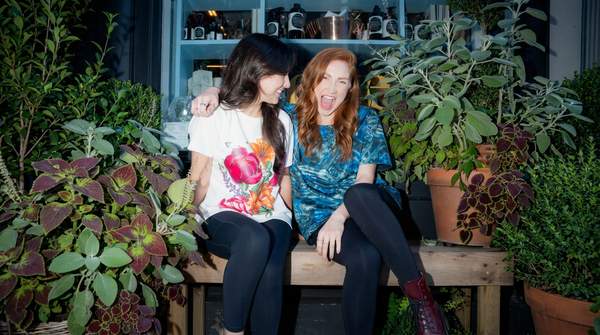
New York-based stylist, designer, and creative consultant Ela, who launched DOBS New York, exemplifies this creative transformation. After studying at Parsons and apprenticing with Iris van Herpen, Ela began transforming scraps, discarded textiles, landfill-bound fabrics, and even food waste into deeply personal collections. This journey, which started as resourcefulness, evolved into a broader awareness about waste, creativity, and the true cost of fashion. Ela's work champions emerging and local designers, questions fashion's obsession with excess, and explores how stylists can influence not only what we see but also what we desire, extending sustainability beyond the garment itself into the culture built around fashion.
Challenges in Production and the Value of Uniqueness
The reliance on variable textile waste and leftovers presents significant challenges for mass production in upcycled fashion. The inconsistent nature of available materials—in terms of type, shape, and quantity—makes it difficult to replicate designs on a large scale. This limitation means that upcycled fashion products are often inherently unique, with each piece possessing its own distinct characteristics.
However, this challenge also becomes a defining strength, contributing to the higher perceived value of upcycled items. The uniqueness of these products, often one-of-a-kind, appeals to consumers seeking individuality and a departure from mass-produced uniformity. This distinct aesthetic and the story behind the material's transformation can elevate the product's value, contrasting sharply with the typical reduction in value seen in downcycling processes.
The creative process involved in upcycling, where designers give new life and added value to discarded materials, is central to this enhanced perception of worth. As one designer noted, it is exciting to exist at a time where avenues for change can be created through craft, promoting sustainable options for consumers. This movement highlights that while waste in fashion is a material problem, it is also a cultural condition that can be addressed through innovative design and production.
Shifting Consumer Behavior and Cultural Significance
Upcycling plays a pivotal role in challenging traditional consumption patterns and fostering a cultural shift towards more sustainable choices within the fashion industry. The "fast fashion" model, characterized by cheap, quick manufacturing and frequent purchases, has led to a disposable attitude towards clothing. Upcycling directly counters this by promoting longevity, uniqueness, and conscious consumption.
Consumers are increasingly influenced by the ethical and environmental implications of their purchases. The appeal of upcycled products lies not only in their distinctive designs but also in their sustainable origin and contribution to waste reduction. This encourages consumers to value products that have a story, that are unique, and that align with a commitment to environmental responsibility.
The movement towards upcycling signifies a broader cultural awakening about waste, creativity, and the true cost of fashion. It empowers consumers to make choices that support a circular economy, where resources are valued and kept in use for as long as possible. This shift in consumer behavior, driven by a desire for both style and sustainability, is crucial for transitioning the fashion industry away from its current unsustainable practices.
Upcycling's Role in the Circular Fashion Economy
Upcycling is a critical component in the transition towards a circular fashion economy, transforming waste into valuable resources and influencing both production and consumption. The framework below illustrates how this process contributes to a more sustainable fashion system.
| Dimension | Subject | Finding | Qualification |
|---|---|---|---|
| Inputs (Textile Waste, Deadstock) | Textile Waste & Deadstock | Upcycling utilizes textile waste and deadstock materials, transforming them into new products. | This process reduces the consumption of new raw materials and mitigates environmental impact. |
| Upcycling Design Process (Creative Design, Techniques) | Creative Design & Techniques | Upcycling involves creative design approaches to give new life and added value to discarded materials. | Designers often face challenges due to the variability of available materials, requiring innovative techniques. |
| Outputs (Unique Products, Higher Value) | Unique Products | The upcycling process often results in unique, one-of-a-kind products due to material variability. | This uniqueness can contribute to a higher perceived value and distinct aesthetic. |
| Outputs (Unique Products, Higher Value) | Higher Value | Upcycled products are often perceived as having higher value due to their unique nature and sustainable origin. | This contrasts with downcycling, which typically reduces material value. |
| Impact (Waste Reduction, Circularity, Consumer Behavior Shift) | Waste Reduction | Upcycling significantly contributes to textile waste reduction by diverting materials from landfills. | This practice helps lessen the environmental footprint of the fashion industry. |
| Impact (Waste Reduction, Circularity, Consumer Behavior Shift) | Circular Economy | Upcycling is a key component of the circular economy model in fashion, promoting resource longevity. | It aims to keep materials in use for as long as possible, reducing reliance on virgin resources. |
| Impact (Waste Reduction, Circularity, Consumer Behavior Shift) | Consumer Behavior Shift | Upcycling influences consumer behavior by promoting conscious consumption and valuing product uniqueness and sustainability. | This shift challenges traditional fast fashion consumption patterns. |
This framework demonstrates how upcycling acts as a bridge between discarded materials and valuable new products, fostering a system where resources are continually reused and reimagined. It highlights the creative ingenuity required from designers and the evolving preferences of consumers who increasingly prioritize sustainability and individuality.
Embracing Upcycling for Sustainable Fashion Choices
Upcycling in fashion represents a powerful cultural and practical movement away from the linear "take-make-dispose" model towards a more sustainable, circular economy. By transforming textile waste into unique, higher-value products, upcycling not only reduces environmental impact but also challenges traditional consumption patterns, fostering a deeper appreciation for craftsmanship, creativity, and resourcefulness.
The inherent variability of upcycled materials, while posing challenges for mass production, ultimately leads to distinctive, one-of-a-kind items that resonate with a growing segment of conscious consumers. This shift influences both designer practices, demanding innovative approaches to material sourcing and design, and consumer behavior, encouraging choices that prioritize longevity, uniqueness, and sustainability over fleeting trends.
Consumers and designers should actively engage with upcycling practices to reduce textile waste and foster a more circular fashion economy. A measurable indicator of success in this endeavor would be an increased adoption of upcycled products by consumers and integration of upcycling methods by designers, measured by market share of upcycled goods or number of designers implementing upcycling techniques.
Sources
- Upcycling - Wikipedia — EN
- Addressing Fashion and Textile Waste Through Sustainable Water and Waste Management — PACJA
- Extending the Lifetime of Clothing through Repair and Repurpose — PMC
- Sciencedirect
- ELANUR ERDOĞAN on Instagram
- Upcycling: Our way to a sustainable fashion industry? — Isaac Dale — Demure
- How Fashion Brands Are Embracing Upcycling — Wilson College of Textiles
- YouTube post