7 Poiret-Inspired Fashion Trends Making a 2026 Comeback

At Dior Men’s Fall 2026 show, Jonathan Anderson unveiled designs reimagining a 1922 Poiret dress, crafted from archival fabrics, signaling a deep dive into fashion's past, according to Marie Claire .

EV
Eleanor Voss

June 3, 2026 · 6 min read

A fashion designer in a modern atelier sketching Poiret-inspired silhouettes, blending 1920s elegance with contemporary design elements.

At Dior Men’s Fall 2026 show, Jonathan Anderson unveiled designs reimagining a 1922 Poiret dress, crafted from archival fabrics, signaling a deep dive into fashion's past, according to Marie Claire. A precise reconstruction, rather than a general thematic nod, reveals a significant trend: leading designers are directly drawing from foundational historical aesthetics.

Modern runways showcase cutting-edge designs, yet the most influential pieces often spring from a century-old aesthetic. The tension highlights a curious paradox within contemporary luxury fashion.

The industry increasingly values historical depth and reinterpretation over pure innovation, suggesting a cyclical return to foundational elegance.

7 Poiret-Inspired Styles on 2026 Runways

1. Cocoon Dresses

Best for: Individuals seeking comfortable, yet dramatic silhouettes for evening wear or sophisticated casual events.

Cocoon dresses, re-emerging on current runways, offer a voluminous, rounded shape that gently encases the body. They provide both comfort and a distinct sculptural presence, hinting at a desire for dramatic yet effortless silhouettes.

Strengths: Unique silhouette; exceptional comfort; versatile for various body types. | Limitations: Can overwhelm petite frames; requires careful styling to avoid appearing shapeless. | Price: Luxury

2. Satin Dusters

Best for: Adding a layer of opulent fluidity to both casual and formal ensembles.

Satin dusters, appearing on current runways, provide a lightweight, flowing outer layer. Their luxurious fabric and long lines create an elongated, elegant profile, suggesting a renewed appreciation for opulent fluidity in everyday wear.

Strengths: Versatile layering piece; adds instant sophistication; comfortable. | Limitations: Can wrinkle easily; may appear too casual if fabric is not high quality. | Price: High-end
3. Tassel Accessories

Best for: Detail-oriented individuals looking to infuse a playful, yet refined, vintage flair into their accessories.

Tassel accessories, a key Poiret-inspired detail on runways, offer a decorative flourish that adds movement and texture. Their presence signals a return to refined, playful vintage flair.

Strengths: Adds dynamic visual interest; easily incorporated into existing wardrobes; provides an artisanal touch. | Limitations: Can be prone to tangling; may appear dated if not styled thoughtfully. | Price: Mid-range to Luxury

4. Fur-Lined Silk Cocoon Robes

Best for: The discerning consumer prioritizing ultimate comfort and indulgent loungewear with a historical lineage.

Conner Ives incorporates fur-lined silk cocoon robes, channeling Poiret's vision for luxurious, unrestrictive garments. These pieces blend tactile comfort with an extravagant aesthetic, redefining loungewear as a statement of ultimate indulgence.

Strengths: Unparalleled comfort and luxury; distinctive, enveloping silhouette; strong statement piece. | Limitations: High price point; limited occasions for wear; ethical considerations for fur. | Price: Luxury

5. Feather-Hemmed and Beaded Embellished Dresses

Best for: Grand occasions requiring a show-stopping garment that embodies artisanal craftsmanship and historical grandeur.

Valentino's Spring 2026 Couture features feather-hemmed and beaded embellished dresses, directly inspired by Poiret’s opulent designs. These garments, with their intricate detailing and dramatic textures, confirm high fashion's embrace of historical grandeur for grand occasions.

Strengths: Exquisite craftsmanship; creates a memorable visual impact; embodies high couture elegance. | Limitations: Extremely high price; delicate and requires specialized care; limited wearability. | Price: Couture

6. 1920s Poiret Dress Elements

Best for: Fashion connoisseurs appreciating direct historical references and avant-garde menswear that challenges traditional gender norms.

Jonathan Anderson's Dior Men’s Fall 2026 show reimagined specific elements of a 1922 Poiret dress using archival fabrics. This precise, almost archaeological reconstruction challenges traditional gender norms, pushing historical references into avant-garde menswear.

Strengths: Historical authenticity; innovative gender-fluid design; highly collectible. | Limitations: Potentially niche appeal; very high investment; availability is limited to luxury brands. | Price: Ultra-Luxury

7. Kaftans

Best for: Those seeking elegant, relaxed resort wear or comfortable, flowing silhouettes for everyday luxury.

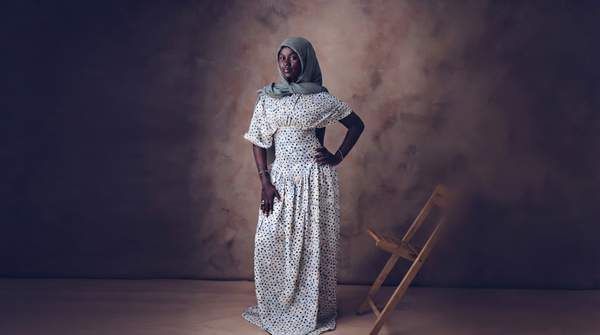
Kaftans, a Poiret-inspired staple, offer a loose, flowing tunic style. Poiret popularized these comfortable garments, and their continued presence suggests a lasting appeal for effortless grace in both resort wear and everyday luxury.

Strengths: Exceptional comfort and breathability; versatile for various settings; flattering drape. | Limitations: Can appear shapeless if not tailored or accessorized; may not be suitable for all formal occasions. | Price: Mid-range to Luxury

Then and Now: Poiret's Style Evolution

FeatureOriginal Poiret Design (Early 20th Century)2026 Reinterpretation (High Fashion)Modern Adaptation
SilhouetteFluid, columnar, often cocoon-like; liberation from corsetry.Architectural yet soft drapes; exaggerated volumes in specific areas; gender-fluid application.Relaxed, oversized fits; emphasis on comfort; less rigid structure.
FabricsRich silks, velvets, brocades; exotic patterns (Orientalism).Archival fabrics, innovative silk blends, sustainable alternatives; focus on drape and texture.Natural fibers, performance blends for comfort; simplified patterns or solid colors.
EmbellishmentsFeathers, tassels, embroidery, intricate beading; often hand-applied.Subtle feathering, minimalist beadwork, modern artisanal techniques; precise placement.Functional details, textural contrasts; less overt ornamentation.
WearabilityRevolutionary comfort for its era; often theatrical for grand events.Comfort integrated with luxury; designed for diverse contemporary settings.Everyday elegance; focus on ease of movement and versatility.

Reinterpreting historical styles balances original intent with contemporary adaptation. Poiret freed women from corsets; today's designers extend this liberation to a broader rejection of restrictive fashion across genders, applying historical volumes to modern sensibilities. The evolution of Poiret's styles reveals a deeper cultural resonance than mere aesthetic revival.

Tracing the Threads of Revival

The current Poiret revival is marked by precise, almost archaeological reconstruction of specific historical pieces, not mere thematic inspiration. The approach of precise, almost archaeological reconstruction reveals a deeper historical reverence within high fashion. Jonathan Anderson's Dior Men's Fall 2026 collection, reimagining a specific 1922 Poiret dress with archival fabrics, exemplifies this meticulousness. Poiret's influence, as reported by Marie Claire, clearly transcends traditional gendered fashion boundaries and historical context, proving its enduring relevance.

Meticulous study of fashion history and archival materials is now critical to innovative design. This engagement with the past allows designers to uncover foundational principles of elegance and comfort, recontextualizing them for today's audience. Delving into archives moves beyond superficial inspiration, fostering a profound re-engagement with fashion's enduring legacy and its potential for future forms.

Investing in Timeless Elegance

Paul Poiret's pervasive influence on today's runways, from Dior Men's to Valentino Couture, suggests high fashion's future lies not in radical newness, but in a deep excavation of its past. The shift towards deep excavation of fashion's past indicates a consumer appetite for investment pieces blending historical gravitas with modern wearability. By embracing Poiret's century-old tenets of comfort and fluidity through items like cocoon robes and kaftans, contemporary designers implicitly challenge the notion that luxury must equate to restrictive garments. Embracing Poiret's century-old tenets of comfort and fluidity marks a fundamental shift in consumer desire, prioritizing ease and historical resonance.

Consumers seeking unique, elegant pieces with a story benefit from this trend, as luxury brands offer items that blend historical depth with contemporary wearability. Conversely, fast fashion brands may struggle to replicate the intricate craftsmanship and unique silhouettes of these historical revivals. By Q3 2026, luxury brands like Dior and Valentino will likely continue to expand their archival reinterpretations, setting a benchmark for sophisticated, historically informed design.

Your Questions on Historical Fashion Revivals, Answered

Why are 2026 fashion trends bringing back Poiret's designs specifically?

Poiret's designs reappear due to their inherent comfort and fluidity, aligning with contemporary desires for less restrictive clothing. He pioneered liberation.erating women from corsetry, a principle resonating strongly with today's focus on personal ease and authentic expression.

How does reinterpreting historical fashion impact sustainability?

Reinterpreting archival designs contributes to sustainability by promoting longevity and reducing demand for new material production. This approach fosters a slower, more thoughtful design process, contrasting with fast fashion's rapid turnover.

Are there other fashion eras that frequently inspire contemporary designers?

Beyond Poiret's early 20th-century influence, designers frequently revisit the structured elegance of the 1950s and the rebellious spirit of the 1970s. Rococo and Victorian eras also provide rich inspiration for silhouettes and embellishments, though often in more abstract forms.