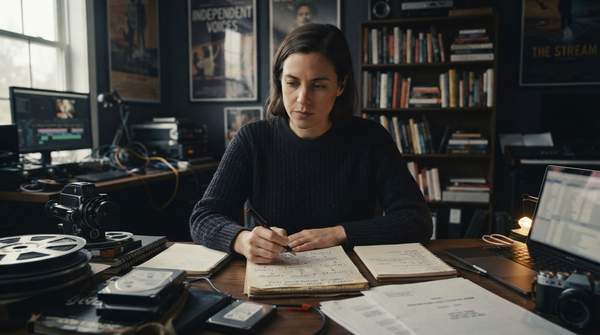
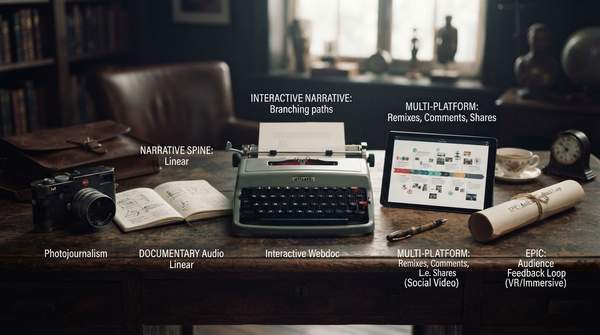
A recent report from AsatuNews Co Id reveals that creative professionals are increasingly experiencing mental exhaustion and a profound loss of purpose. This disquieting phenomenon directly links to the relentless pressures of social media marketing, not their artistic craft. This insidious drain on the creative spirit threatens to silence voices before they find their melody, leaving a generation of artists grappling with a digital labyrinth that promises connection but delivers only fatigue.
Yet, the digital age, with its sprawling networks and immediate global reach, initially presented artists with an unparalleled opportunity for direct audience connection. It offered a democratic forum unfettered by traditional gatekeepers. Paradoxically, this very promise now forces creators into constant self-promotion, a Sisyphean task of content generation. It drains their finite wellspring of creative energy and focus, diverting their gaze from the canvas to the analytics dashboard.
Without a significant re-evaluation of priorities, the artistic landscape risks becoming a homogenized echo chamber. Creative depth is sacrificed for fleeting algorithmic relevance, ultimately diminishing the cultural richness we collectively seek.
The contemporary artist is caught in a peculiar bind, creation and commerce inextricably intertwined. I have observed how the expectation to perform online — to craft narratives not just in their art but across ephemeral platforms — siphons away the cognitive resources required for deep work. Quiet contemplation, essential for a novel's architecture or a painting's layers, is replaced by the urgent need for a trending sound or a viral reel. Artists become reluctant entrepreneurs in an attention economy that values superficial engagement over profound impact. This redefines the artistic profession, a sacrifice we are only beginning to quantify.
The Invisible Burden: When Marketing Overshadows Creation
The mental exhaustion and pervasive loss of purpose reported by creative professionals, as highlighted by AsatuNews.co.id, illustrate a profound crisis. This is not merely the familiar struggle against the blank page; it is a corrosive force on artistic identity and productivity, stemming from external, non-creative pressures.
The incessant demand for short-form video content transforms the artist's studio into a content factory. Every brushstroke or lyrical phrase must be framed for public consumption, often before its true form manifests. This constant performance, this requirement to be always 'on' and algorithmically relevant, steals hours once dedicated to experimentation and reflection. The creative spirit, like a delicate plant, needs quiet darkness to root deeply; the digital glare offers no such respite. This pervasive mental toll corrodes artistic identity and productivity, eroding the foundation of meaningful art.