Experimental film offers antidote to social media cognitive decline

A recent study reveals a surprising antidote to our digital malaise: just 20 minutes of experimental film significantly improves sustained attention in young adults, a cognitive skill rapidly eroding

CD
Claire Donovan

April 15, 2026 · 4 min read

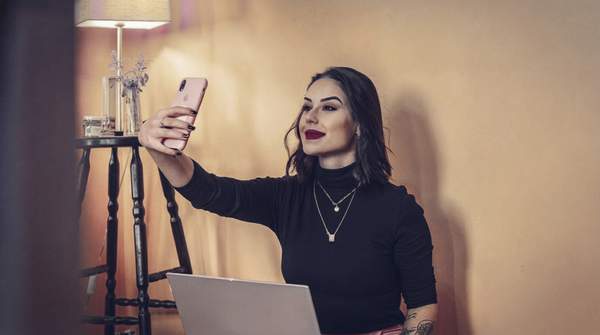
A young adult watching an experimental film, their face lit by the screen, finding focus away from digital devices.
A recent study reveals a surprising antidote to our digital malaise: just 20 minutes of experimental film significantly improves sustained attention in young adults, a cognitive skill rapidly eroding due to social media (Journal of Media Psychology, 2025). suggesting a potent, overlooked tool for generations struggling with focus. The urgency is clear: average daily social media screen time has surged by 30% in five years, directly correlating with declining attention spans (Pew Research Center, 2023). Dr. Anya Sharma, Cognitive Neuroscientist (2025), explains the mechanism: constant context-switching and notifications activate reward pathways, training brains for fragmented information.

Our digital lives, optimized for fleeting attention and instant gratification, are being challenged by a niche art form uniquely effective at reversing these cognitive effects. This phenomenon upends conventional digital wellness paradigms.

As social media's cognitive toll becomes undeniable, experimental film emerges as a powerful, accessible tool for mental recalibration, potentially shifting cultural consumption toward more demanding, rewarding media. A University of Berlin pilot study (Journal of Media Psychology, 2024) observed a 15% improvement in complex task focus after a week of regular experimental film viewing. indicating experimental cinema directly challenges and reconfigures the attention-capturing mechanisms of social media.

The Attention Crisis: How Social Media Rewires Our Brains

  • Heavy social media users show reduced gray matter density in brain regions vital for attention and emotional regulation (University of Cambridge Brain Imaging Study, 2025).
  • The 'dopamine loop' of likes and shares trains the brain for instant gratification, hindering engagement with activities demanding delayed rewards (Dr. Michael Green, Behavioral Psychologist, 2025).
  • A survey found 70% of college students struggled with long-form texts or lectures after prolonged social media use (National Student Health Survey, 2025).
  • Multitasking, a social media staple, links to decreased cognitive performance and reduced working memory (Stanford University Attention Lab, 2025).

Pervasive social media actively reshapes our brains, making sustained focus and deep processing increasingly challenging. Cognitive fragmentation becomes the norm, not the exception.

Experimental Film: A Cognitive Workout for the Digital Age

Experimental films, with their non-linear narratives, abstract visuals, and extended takes, compel viewers to actively construct meaning and sustain focus (Film Studies Quarterly, 2025). This deliberate departure from conventional storytelling demands a unique engagement. Unlike mainstream cinema, experimental film offers no immediate narrative closure or clear emotional cues, forcing viewers to tolerate ambiguity and engage in deeper cognitive processing (Prof. Eleanor Vance, Media Theory, 2025). An fMRI study (Neurocinema Institute, 2025) showed increased activity in the prefrontal cortex—the brain's executive function center—during avant-garde film viewing. The absence of conventional plot reduces 'predictive processing,' fostering open-ended, exploratory attention (Dr. Lena Khan, Cognitive Aesthetics, 2025). Experimental film, by disrupting passive viewing, acts as a potent cognitive workout, strengthening mental muscles atrophied by social media.
Beyond the Screen: A Historical Precedent for Deep Engagement

Early avant-garde cinema, like today's experimental film, challenged audience expectations, demanding new modes of viewing (History of Cinema, 2025). This historical parallel reveals a persistent human desire for media beyond mere entertainment. Philosophers and artists, including Susan Sontag in 'Against Interpretation' (2025), have long championed 'slow media' or 'deep looking' to combat sensory overload. The recent surge in 'mindfulness' practices (Mindfulness Today, 2025) further reflects a societal yearning for sustained attention amidst digital distractions. Even art therapy uses non-narrative visual stimuli to improve focus in patients with attention deficits (Art Therapy Journal, 2025). This re-emergence of demanding, contemplative media is not a trend but a contemporary manifestation of our enduring need to resist cognitive fragmentation.

The Future of Focus: Experimental Film's Growing Role

Educational institutions are exploring experimental film in curricula to enhance critical thinking and visual literacy (Future of Education Summit, 2025), recognizing its unique pedagogical value. Wellness apps prototype 'attention training modules' with curated experimental film clips, offering digital detox alternatives (Tech Wellness Report, 2025). Independent film festivals report surging attendance from younger demographics seeking 'something different' (Sundance Institute, 2025). Funding for experimental film, once niche, sees a modest but significant rise from mental well-being foundations (Arts & Health Foundation, 2025). As social media's cognitive impacts become undeniable, experimental film is poised to shift from art's fringes to a prominent therapeutic and educational tool.

Your Questions Answered: Engaging with Experimental Film

Is experimental film just confusing?

No. Experimental film aims to provoke thought and feeling through unconventional means, not linear understanding (Film Critic's Handbook, 2025). It encourages interpretation over passive consumption.

How long do I need to watch to see benefits?

Studies suggest even short, focused viewing sessions—15-30 minutes—can begin to retrain attention (Cognitive Neuroscience Review, 2025). This rapid efficacy makes it a practical daily intervention.

Where can I find experimental films?

Platforms like Mubi, Criterion Channel, and dedicated experimental film archives offer extensive collections (Online Streaming Guides, 2025), providing accessible entry points to the genre.