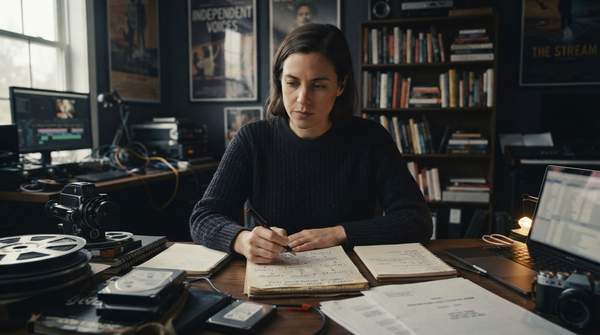
For the first time, a short film created entirely by artificial intelligence, 'Echoes of Tomorrow,' is an official selection at the New Media Film Festival 2026, a seismic shift in cinematic creation, according to the Festival Press Release. This groundbreaking inclusion, alongside 'The Shifting Sands' – a live, audience-interactive VR experience at the festival's opening night gala, per the Festival Schedule – signals a new era. Global innovation democratizes film, yet it simultaneously erects new ethical dilemmas and financial hurdles for established players. The film industry stands on the cusp of a technological revolution, driven by accessible new media tools; navigating its artistic and ethical implications will define its next decade. "We are witnessing a democratization of filmmaking tools, but also a new frontier of ethical questions," according to the Director's Opening Statement.
The Global Surge in New Media
- The 2026 New Media Film Festival features 150 films from 45 countries, marking a 20% increase in international submissions since 2024, according to the Festival Report.
- 60% of the selected films utilize AI-generated elements, virtual reality, or interactive storytelling, up from 30% in 2024, according to Festival Data Analysis.
- Developing countries, particularly in Southeast Asia and Africa, show a surge in new media film production. These regions often address local social issues with innovative technology, according to the Global Film Institute Report.
The festival's lineup confirms a widespread, international embrace of new media technologies, signaling a global shift in filmmaking practices. The surge in diverse international submissions, particularly from developing countries using innovative tech to address local social issues, underscores the democratizing power of these tools. This global adoption suggests a future where diverse voices, previously marginalized, will shape cinematic narratives.
AI: The New Co-Creator?
Critics remain divided on AI's artistic merit, some praising its novelty, others questioning authorship itself, according to a Film Critic Roundtable. This division underscores AI's fundamental challenge to traditional creative ownership. The festival's new 'Ethical AI in Filmmaking' panel, per the Festival Program Guide, confirms the industry has moved beyond debating AI's role; it now grapples with integrating and regulating this undeniable creative force. Educational institutions, rapidly developing AI and VR filmmaking curricula, as noted by a University Program Director, recognize the urgent demand for new skill sets in this evolving media landscape.

Shifting Industry Dynamics
Traditional film studios voice concern over the escalating costs of new media integration, citing budget overruns on experimental projects, according to a Studio Executive Interview. This financial strain starkly contrasts with the nimble approach of independent creators and tech startups, who drive innovation with open-source tools and smaller budgets, per an Indie Creator Survey. This disparity suggests traditional film schools and production houses, slow to embrace AI's rapid advancements, risk irrelevance. Independent creators, by leveraging new tools, bypass established gatekeepers and production costs. The shift in sponsorship, with traditional media companies decreasing investment while tech giants like 'RealityForge VR' boost theirs by 30%, according to a Sponsorship Report, clearly points to where the industry's future capital and focus now reside.
The Future of Audience Engagement and Industry Adaptation
The festival's 'Audience Immersion Lab' sold out its 500 tickets in under an hour, according to the Ticket Sales Report, showcasing a fervent demand for interactive experiences. The sell-out of the 'Audience Immersion Lab' signals a clear trajectory for future content and audience engagement. Major streaming platforms like 'CineVerse' are actively scouting new media talent, per a CineVerse Talent Scout, confirming a growing commercial appetite for innovative formats. Yet, accessibility remains a hurdle for audiences without specialized equipment, according to an Audience Feedback Survey. By Q3 2026, streaming platforms like CineVerse will likely face increased pressure to integrate accessible solutions, meeting the rising audience demand for immersive content.
Quick Answers on New Media Film
How to submit a film to the New Media Film Festival 2026?
Submissions for the 2027 New Media Film Festival are expected to open in late 2026, according to a Festival Organizer Statement. The festival plans an increased focus on sustainability in digital production for future entries. Creators interested in participating should monitor the official festival channels for specific deadlines and guidelines.
What types of films are considered "new media" by the festival?
The festival defines 'new media' broadly, encompassing a range of innovative formats. This includes virtual reality (VR), augmented reality (AR), AI-generated content, interactive narratives, and transmedia projects, according to the Festival Guidelines. The festival actively seeks to showcase diverse technological approaches to storytelling.
Does the festival offer educational opportunities for creators?
Yes, the New Media Film Festival offers various educational opportunities for creators. These include workshops and masterclasses specifically designed for those interested in learning new media techniques, as detailed in the Festival Program Guide. These resources aim to foster skill development in the rapidly evolving field of digital filmmaking.