Every 40 seconds, a person dies by suicide, a stark indicator of the mental health crisis exacerbated by our hyper-paced world. Nearly 800,000 suicides annually, according to PMC, points to a pervasive societal distress demanding an urgent re-evaluation of our collective priorities.
Society increasingly values speed and efficiency, but this relentless pace demonstrably harms human health and well-being. Advocates of the slow living concept believe that technology and a hyperfocus on speed and efficiency can harm people's health, enjoyment, and environmental sustainability, according to EBSCO.
Embracing the principles of slow living appears to be a necessary counter-movement, mitigating the adverse effects of modern life and fostering greater individual and collective resilience. This approach promises significant benefits for overall wellness practices in 2026.
Understanding the Slow Living Concept
Slow living represents a philosophical stance against the detrimental effects of unchecked speed and technological dependence. It emphasizes intentionality over haste, encouraging individuals to engage more deeply with their daily activities and surroundings. This approach challenges the modern assumption that constant acceleration equates to progress or improved well-being. It encourages mindful deceleration through deliberate choices about how one spends time, consumes resources, and interacts with others. The goal is not to do everything slowly, but to bring conscious awareness to actions, fostering appreciation for experiences and prioritizing quality over quantity.
How Slow Living Enhances Cognitive Well-being
Adopting a slower pace directly impacts cognitive function and our subjective experience of time. Living slowly increases presence and mindfulness, according to Psychology Today. This heightened awareness offers a 'time-stretching effect,' counterintuitive to the modern perception that slowing down consumes precious time.
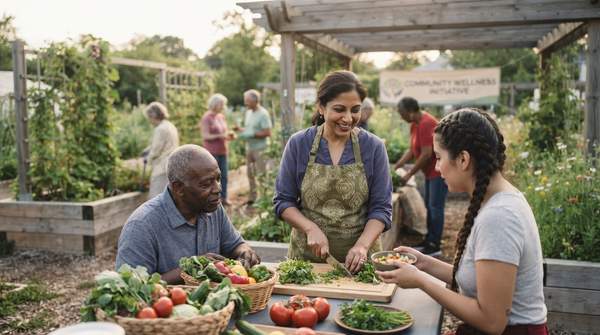
Being more attentive through slow living helps improve concentration and short-term memory, reducing forgetfulness about daily actions, according to Harvard Health Publishing. This suggests that the relentless pursuit of speed may inadvertently diminish our cognitive capabilities. By fostering mindfulness and presence, slow living directly enhances cognitive function and our subjective experience of time, leading to greater mental clarity.
Social Connections and Holistic Health Benefits
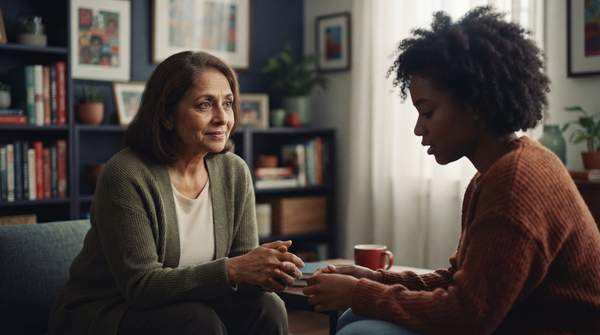
The ripple effects of slow living extend beyond individual mental states, positively impacting the quality of our relationships. Slow living can improve social interactions by teaching individuals to be more engaged in conversations, listening more and talking less, according to Harvard Health Publishing. This intentional engagement fosters deeper connections and reduces feelings of isolation, often exacerbated by a fast-paced world.
Incorporating slow living into daily routines or choosing specific moments to practice it can make it a more natural part of behavior over time, Harvard Health Publishing reports. This consistent, intentional practice cultivates a lifestyle where meaningful interactions and personal well-being are prioritized, creating a sustained sense of balance and contentment.
Why Intentional Pace is Crucial for 2026 Wellness
The global mental health crisis, evidenced by nearly 800,000 suicides annually, reveals that society's current trajectory of speed and efficiency is not merely inconvenient, but actively lethal. For 2026 and beyond, embracing slow living becomes not just a personal choice, but a societal imperative for fostering resilience and well-being. It offers a vital antidote to the escalating pressures of modern life, challenging the pervasive cultural narrative that equates constant activity with success and fulfillment. True productivity and well-being, it appears, might actually lie in mindful deceleration, not acceleration. For more, see our What the Slow Living Cultural.
Common Questions About Slow Living
What are some modern wellness practices that complement slow living?
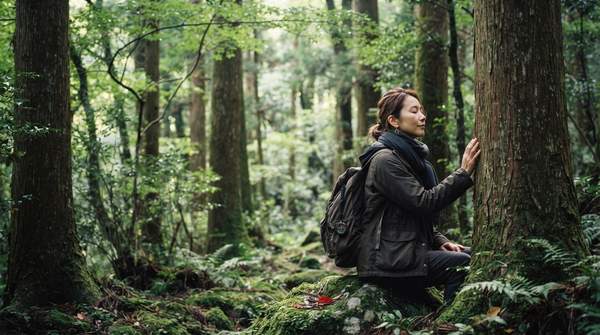
Modern wellness practices such as digital detoxes, mindful movement like yoga or tai chi, and nature immersion activities align well with slow living. These practices encourage disconnection from constant stimuli and reconnection with the present moment, fostering the intentionality central to a slower lifestyle.
Reclaiming Your Pace
The path forward for societal well-being appears to hinge on a collective shift towards intentionality. By 2026, organizations that actively integrate principles of a balanced pace into their work culture will likely see improved employee well-being and sustained engagement, marking them as forward-thinking in their approach to human capital. Conversely, those that continue to push for relentless speed, ignoring the documented harms of technology and hyperfocus on efficiency, risk inadvertently eroding their workforce's cognitive functions, leading to decreased concentration and memory rather than true productivity.