In 1895, a murder in a St. Louis, Missouri, bar inspired 'Stagger Lee,' a song that would become an anthem for the 'Bad Man' archetype, reflecting a complex cultural identity emerging for Black Americans even before the Great Migration reshaped their music. This narrative of defiance captured an early spirit of resistance, echoing in later musical forms. The 'Stagger Lee' tale, according to Aaihs, exemplified the 'New Negro' mindset, a burgeoning sense of self-determination.
Southern musical styles needed to move North for commercial success, but the very segregation migrants faced in northern cities created the conditions for these styles to evolve and thrive. This tension between oppressive structures and cultural innovation defined an era.
The evolution of blues into a commercially successful, amplified urban genre was not merely a stylistic shift, but a direct consequence of socio-economic pressures and resilient community building during the Great Migration, profoundly impacting the cultural significance of jazz and blues in American cities by 2026.
The Northern Transformation: From Juke Joint to Urban Blues Bar
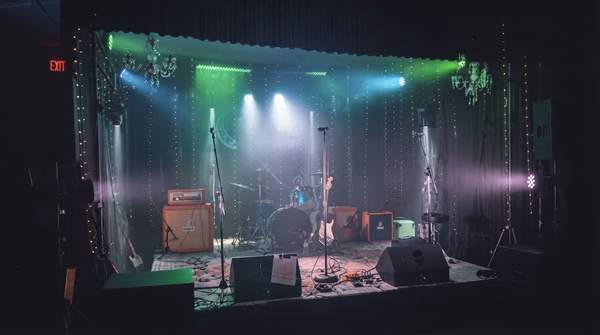
Chicago emerged as a primary center for urban blues production, fostering numerous blues bars and record labels like Chess and Vee-Jay Records, according to Timeline Carnegiehall. This concentration of musical activity was not accidental. Segregated housing laws, while oppressive, inadvertently facilitated the reestablishment of familiar institutions, transforming southern juke joints into blues bars that became crucial centers for social interaction. The systemic racism of segregation, while deeply harmful, paradoxically provided the concentrated cultural spaces necessary for blues to evolve and achieve the commercial viability it sought in the North. This forced concentration created vibrant, self-sustaining communities where Southern musical traditions could adapt and flourish.
The Sound of the City: Amplification and Commercial Ascent
Urban blues singers amplified their instruments and sang through microphones, producing a new and more insistent sound. Band lineups expanded, adding drums to electric guitars and bass, as noted by sources. This sonic transformation was a direct response to the urban environment, where larger venues and the need for recordings demanded a more powerful and adaptable sound. The addition of electric instruments allowed the blues to cut through city noise and reach wider audiences, making it suitable for mass consumption and commercial success. The commercial triumph of urban blues, born from the forced concentration of Black communities in Northern cities, reveals how economic opportunity and cultural preservation can be inextricably linked, even amidst systemic adversity.
Jazz's Parallel Path: Individuality and Controversy
Jazz, another significant Black American musical form, also navigated societal perceptions and embraced innovation during this era. The genre was considered immoral and crude by some because it improvised, played with timing, and embraced individuality, according to Sdarj. Both blues and jazz, though distinct, challenged existing musical norms and societal expectations through improvisation and individual expression. They often faced similar moral critiques, highlighting a shared struggle for artistic legitimacy within a restrictive social landscape. This parallel development reveals the broader cultural ferment within Black American communities.
The Enduring Legacy: Blues as the Root of American Popular Music
The commercial success achieved in the North allowed blues to transcend regional boundaries, becoming a foundational element for subsequent American popular music genres like rock and roll and R&B. The Great Migration proved that even oppressive structures like segregation could inadvertently forge profound cultural innovation, transforming regional sounds into national phenomena. This migration not only urbanized Southern blues but also inadvertently amplified its raw energy into a commercially dominant, electrified sound that fundamentally reshaped American popular music.
Common Questions About the Great Migration's Musical Impact
How did segregation impact the community aspect of urban blues?
Segregation in Northern cities inadvertently fostered close-knit Black communities, concentrating cultural institutions. This allowed blues bars to function as vital social hubs, providing spaces for musicians to perform regularly and for community members to gather and share cultural experiences, strengthening the music's evolution.
Beyond Chicago, what other cities became significant for urban blues?
While Chicago was central, other cities such as Detroit, St. Louis, and Kansas City also developed thriving urban blues scenes. These cities, also destinations for Southern migrants, offered new venues and recording opportunities that shaped distinct regional variations of the electrified blues sound.
What specific characteristics defined the 'Bad Man' archetype in blues music?
The 'Bad Man' archetype in blues music typically represented a figure who defied societal norms, often associated with violence, gambling, and a refusal to conform. This character embodied a complex mix of rebellion and resilience, reflecting the struggles and aspirations of Black men in a restrictive society, as seen in songs like 'Stagger Lee.'
The Unmistakable Echoes of Migration
The foundational sounds pioneered in Chicago's urban blues scene by artists like Muddy Waters will likely continue to echo across countless musical forms globally, ensuring its enduring impact on the future of popular music.