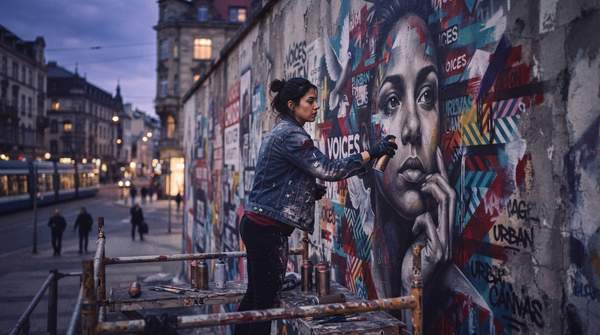
Atlanta's 404 Day parade, celebrating a local area code, just completed its second year, drawing thousands and showcasing how new traditions emerge alongside ancient global festivals. The April 4, 2026 event, featuring a festival at Piedmont Park and a parade, drew thousands, according to CBS News, affirming a vibrant, localized cultural expression.
New, localized cultural celebrations are rapidly emerging and gaining traction, but the formal mechanisms for recognizing and preserving intangible cultural heritage are often slow and selective. This creates a disconnect between lived cultural experience and official validation. While traditions like St. Patrick's Day are celebrated globally, according to Morningstar, the surge of hyper-local events challenges established preservation frameworks.
As communities increasingly create and celebrate unique local traditions, the challenge will be to balance organic growth with effective strategies for long-term preservation and global visibility. Atlanta's 404 Day, drawing thousands in just its second year, reveals how modern communities forge new identities at a pace exceeding traditional cultural preservation bodies, suggesting a growing gap between lived culture and official heritage.
A World of Tradition: From Vaisakhi to 404 Day
1. St. Patrick's Day
Best for: Global revelers seeking widespread cultural expression
St. Patrick's Day is celebrated globally, with Ireland as a central participant, involving widespread cultural and community festivities. Its global network of celebrations affirms established identities.
Strengths: Global recognition and participation | Limitations: Can be commercialized | Price: Varies by location
2. Vaisakhi
Best for: Participants interested in harvest festivals and religious observances
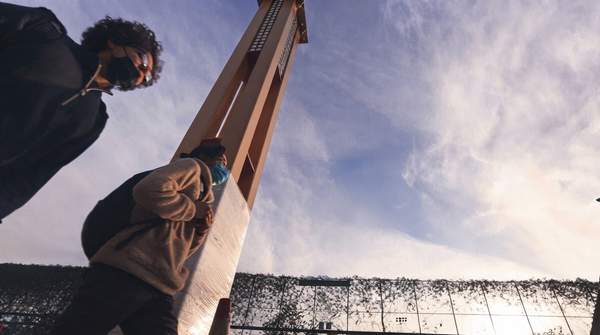
Vaisakhi is celebrated worldwide as a harvest festival and the beginning of a new year in several regions of India, also commemorating the founding of the Khalsa by Guru Gobind Singh. Its global reach is evident in diverse celebrations: the Consulate General of India hosted a cultural program in Toronto, according to the South Asian Herald; New Zealand's Sikh community organized a Nagar kirtan procession in Tauranga, complete with community kitchens, the South Asian Herald reported. Even in Italy, the country's oldest Sikh temple, Gurdwara Novo Lara, drew an estimated 15,000 to 20,000 people for a procession and food stalls, according to the South Asian Herald. These widespread events demonstrate how a tradition with deep religious and agricultural roots can foster strong community bonds across continents.
Strengths: Deep cultural and religious significance, widespread community engagement | Limitations: Specific to Sikh and some Indian communities | Price: Generally free events
3. Carnivals
Best for: Enthusiasts of inclusive, vibrant public celebrations
Carnivals are inclusive occasions common all over the world, bringing communities together through parades, music, and elaborate costumes, according to ich. These events often precede Lent, known for their festive atmosphere.
Strengths: Widespread, high energy, community participation | Limitations: Can be crowded | Price: Varies, often free to attend parades
4. New Year Celebrations
Best for: Individuals marking new beginnings and universal traditions
New Year Celebrations are universal, marking the passage of time and new cycles, according to ich. These events feature diverse rituals, from fireworks to family gatherings.
Strengths: Universal appeal, diverse customs | Limitations: Can be commercialized | Price: Varies, often free public events
5. Harvest Festivals
Best for: Those connecting with agricultural cycles and community gratitude
Harvest Festivals are celebrated globally, often marking the end of the harvest season, according to ich. Vaisakhi is also explicitly celebrated worldwide as a harvest festival. These events typically involve communal meals and expressions of thanks.
Strengths: Connects to natural cycles, fosters community gratitude | Limitations: Tied to agricultural seasons | Price: Often free community meals and events
6. Spring Festivals
Best for: Individuals celebrating renewal and the changing seasons
Spring Festivals are universal, marking the beginning of Spring, according to ich. These celebrations symbolize rebirth and new growth, often featuring vibrant colors and outdoor activities.
Strengths: Celebrates natural renewal, widespread | Limitations: Seasonal dependence | Price: Varies, many free public events
7. Yi Torch Festival
Best for: Explorers of distinct regional traditions in China
The Yi Torch Festival, celebrated in Yunnan, China, falls on June 24 or June 25 in the Chinese Lunar Year, according to Wander-Lush. This festival is known for its unique fire-related rituals and community gatherings.
Strengths: Deep cultural roots, distinct regional focus | Limitations: Specific geographic and ethnic celebration | Price: Local event costs
8. Midsummer Festivities
Best for: Those seeking Northern European cultural experiences
Midsummer festivities in Finland are marked on a Friday, or the long weekend around it, between June 20 and June 26, according to Wander-Lush. These celebrations often involve bonfires, traditional dances, and spending time outdoors, marking the longest day of the year.
Strengths: Strong cultural significance in Nordic regions, celebrates nature | Limitations: Regionally specific, seasonal | Price: Varies, often free public events
Local Roots vs. Global Reach: How Traditions Affirm Identity
| Feature | Emerging Local Festivals (e.g. Atlanta's 404 Day) | Established Global Festivals (e.g. St. Patrick's Day, Vaisakhi) |
|---|---|---|
| Origin | Recent, hyper-local, often based on modern identifiers like area codes. | Historical, religious, or ancient cultural roots. |
| Reach | Primarily local community, rapidly growing attendance. | Worldwide celebration, established global diaspora. |
| Formal Recognition Status | Typically unofficial, community-driven, outside formal preservation bodies. | Often formally recognized or widely understood as significant cultural heritage. |
| Activities | Parades and festivals in local parks, according to CBS News. | Parades, cultural programs, community kitchens, according to the South Asian Herald and Morningstar. |
| Identity Affirmation | Strongly reaffirms immediate, shared local experiences and modern community belonging. | Reaffirms established identities, historical lineage, and cultural continuity for a group or society, according to ich. |
Whether new or ancient, festivals consistently serve as powerful mechanisms for communities to express and reinforce collective identity. While global festivals like Vaisakhi and St. Patrick's Day affirm established identities, the emergence of hyper-local celebrations, even those based on arbitrary identifiers like area codes, signals a fundamental shift in how cultural belonging is formed: moving away from historical lineage towards immediate, shared local experiences.
The Formal Path: Recognizing Intangible Cultural Heritage
The Committee meets annually to evaluate nominations for intangible cultural heritage, according to ich. This structured process ensures a thorough review before any tradition receives formal recognition. The formal preservation process, requiring 'community consent' and 'nomination files submitted by States Parties,' according to ich, inherently favors established, often national, cultural practices. This suggests that grassroots, rapidly evolving local traditions face an uphill battle for official validation, despite their cultural vitality.
Nomination files, submitted by States Parties, are published on the UNESCO website, according to ich, providing detailed documentation. Inscribed elements require 'evidence of community consent,' according to ich, ensuring local populations endorse the recognition. This rigorous, multi-faceted process ensures formally recognized heritage is thoroughly documented, community-supported, and globally accessible.
The Enduring Power of Cultural Celebration
The enduring power of cultural festivals lies in their ability to spontaneously unite communities and, if formally recognized, secure their legacy. Atlanta's 404 Day, drawing thousands in just its second year, according to CBS News, reveals how modern communities forge new identities at a pace far exceeding traditional preservation.n bodies. This growing gap between lived culture and official heritage validation suggests that if preservation frameworks do not adapt, many vibrant, new traditions may remain unrecognized, challenging the very definition of global cultural heritage.
Your Questions About Cultural Festivals, Answered
What makes some cultural festivals unusual?
Many festivals gain recognition for celebrating highly specific local elements or ancient, less common rituals. These can include unique agricultural practices, specific regional folklore, or distinctive culinary traditions not widely found elsewhere, offering a glimpse into specialized cultural expressions.
What are the most important cultural festivals to attend?
The importance of a cultural festival often depends on individual interest, whether seeking deep historical roots, vibrant community engagement, or unique artistic expressions. Some prioritize festivals that directly connect to ancestral heritage, while others look for events that foster new, shared local experiences and contemporary identity formation.