UNESCO NGO Forum Africa Week 2026 Highlights Civil Society's Peace Role

For the first time in its history, UNESCO's Africa Week 2026 opened its doors to the NGO Forum, directly integrating civil society into its high-level peace agenda.

EV
Eleanor Voss

May 29, 2026 · 2 min read

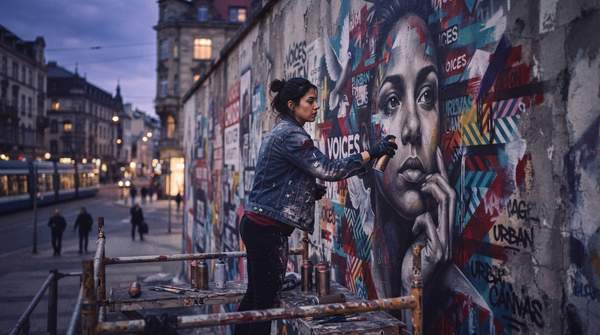
African civil society representatives collaborating at UNESCO's Africa Week 2026, emphasizing their crucial role in continental peacebuilding efforts.

For the first time in its history, UNESCO's Africa Week 2026 opened its doors to the NGO Forum, directly integrating civil society into its high-level peace agenda. A calculated pivot empowers grassroots voices in the pursuit of peace across the continent. It acknowledges the essential role of diverse perspectives in peace-building efforts.

Africa Week traditionally centered on high-level panels and conferences. Now, it actively makes space for civil society engagement. The evolution redefines UNESCO's interaction with its stakeholders.

This broader, more inclusive approach to 'culture of peace' initiatives in Africa seeks to bridge the gap between diplomatic discourse and on-the-ground realities. It suggests a recognition that lasting peace demands more than top-down directives.

Civil Society Joins the Peace Agenda

The NGO Forum formally integrated civil society into Africa Week 2026's culture of peace agenda, according to UNESCO. The agenda's foundation expands, drawing on grassroots perspectives and non-governmental expertise.

Directly involving civil society suggests UNESCO's recognition that traditional state-level dialogues alone prove insufficient for lasting peace in Africa. This could presage a broader trend among international organizations to decentralize influence, empowering non-state actors.

A New Component of an Established Event

The NGO Forum became a distinct component of Africa Week 2026 at UNESCO. Its formal inclusion institutionalizes civil society's contribution to the week's objectives.

The institutionalization implies a more permanent role for civil society in UNESCO's peace agenda. It reflects a strategic understanding that sustainable peace demands direct engagement with local communities, moving beyond top-down diplomatic efforts.

Beyond High-Level Panels

Africa Week 2026 at UNESCO still featured conferences and high-level panels. Yet, adding the NGO Forum diversifies the platforms for dialogue and decision-making, enriching the week's discourse.
Diversification moves beyond purely governmental interactions, actively incorporating grassroots voices. Such a shift suggests international bodies face increasing pressure to demonstrate tangible impact, extending beyond formal declarations.

What is the UNESCO NGO Forum?

The International Forum of NGOs serves as a vital platform for civil society organizations to engage with UNESCO's mandate, fostering discussions on global issues and collaborative initiatives. It operates independently yet in close coordination with UNESCO, frequently addressing themes such as education, science, culture, and communication, as detailed by UNESCO.

What is Africa Week 2026?

Africa Week stands as an annual UNESCO event, celebrating African cultures and confronting continental challenges. It typically features cultural showcases, academic discussions, and policy debates, aiming to foster cooperation and understanding regarding Africa's development and heritage, as highlighted by UNESCO.

How does civil society contribute to a culture of peace in Africa?

Civil society organizations frequently operate at the grassroots, implementing peace education programs, mediating local conflicts, and advocating for human rights. Their direct engagement with communities enables tailored interventions, addressing specific drivers of conflict and promoting social cohesion, thereby cultivating a sustainable culture of peace.

If this integration of civil society proves effective, UNESCO's peace-building strategies beyond 2026 will likely see further evolution, deepening its engagement with grassroots initiatives across the continent.