In 2025, a track generated entirely by an open-source AI model, 'MelodyMind,' topped the charts in three distinct microgenres simultaneously, without ever being played on traditional radio. Algorithmic curation now propels music to niche dominance, bypassing traditional gatekeepers entirely.
Music consumption reaches an all-time high with extensive access to diverse sounds, but the concept of a universally recognized 'hit song' is rapidly eroding. Listeners engage with more music than ever, yet their experiences become increasingly personalized.
The music industry decentralizes. Success now measures deep engagement within specialized communities, not global chart dominance. The fragmentation of the music industry fundamentally redefines how artists connect with audiences.
Algorithms now shape the soundscape. Over 120,000 new tracks hit major streaming platforms daily in 2025, a 30% jump from 2023, according to Music Analytics Group. The content explosion fuels algorithmic discovery. A study found 70% of Gen Z listeners discover new music through personalized algorithmic playlists, bypassing traditional radio or TV, according to Youth Culture Insights. The direct algorithmic path means the average listener's 'top 10' now features 60% more artists outside the Billboard Top 100 than five years ago, according to StreamPulse Data. Listeners find depth in niches, not just mainstream hits. The content flood and algorithmic reliance fundamentally reshape how music is created, consumed, and valued, moving away from broad appeal.
The Sound of 2026: A Microgenre Mosaic
Hyper-specific genres now define music. They shift focus from broad appeal to deep engagement within defined aesthetic and thematic communities. Evolving listener preferences for personalized experiences are mirrored by Spotify Wrapped 2024: 'music genres are now irrelevant to fans' - BBC.
1. Vaporwave 2.0
Key Characteristics: Blends 80s synth-pop with glitch art aesthetics, focusing on nostalgia and digital decay.
Impact: Saw a 400% increase in dedicated subreddit subscribers in 2025, according to Reddit Trends Report.
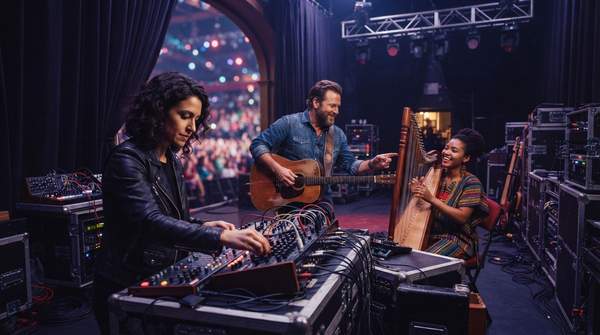
2. Eco-Acoustic Folk
Key Characteristics: Characterized by field recordings of endangered ecosystems and minimalist instrumentation, creating atmospheric and reflective soundscapes.
Impact: Generated 15 million unique streams on Bandcamp in 2025, according to Bandcamp Annual Report.
3. Neural Jazz
Key Characteristics: AI co-composes improvisational pieces with human musicians, exploring new sonic possibilities in real-time.
Impact: Neural Jazz has spawned over 50 dedicated online festivals since 2023, according to AI Music Collective. Such collaborative approaches, where technology amplifies human creativity, echo observations about collectives noted in this music collective refuses to make ‘safe’ free jazz — and the genre is better for it.
4. Hyper-Pop Core
Key Characteristics: Known for its maximalist production, experimental sound design, and internet culture references, often with auto-tuned vocals.
Impact: Achieved 3 platinum singles on TikTok in 2025, none of which charted on Billboard, according to TikTok Music Insights.
5. ASMR-Ambient
Key Characteristics: Combines autonomous sensory meridian response triggers with atmospheric soundscapes, designed for relaxation and focus.
Impact: A top-performing genre on sleep and focus-oriented streaming apps, according to Calm/Headspace Data.
Beyond the Charts: Redefining Music Success
Music success is no longer monolithic. It favors deep, sustained engagement within a niche over fleeting mass appeal. The shift in music success redefines how metrics are valued.
| Metric | Traditional Success (Pre-2020) | Emerging Success (2026) |
|---|---|---|
| Primary Goal | Global Chart Placement | Niche Audience Engagement |
| Key Performance Indicator | Raw Stream Counts | Average Listen Time Per Track |
| Discovery Channel | Mainstream Radio Play | Personalized Algorithmic Playlists |
| Revenue Driver | Album Sales & Major Label Deals | Direct Fan Support & Platform Virality |
The average time a track spends in the Billboard Hot 100 has dropped 15% since 2020, according to Billboard Chart Analysis. This faster churn reveals mass appeal's fleeting nature. Independent labels now prioritize engagement metrics like 'average listen time per track' and 'playlist adds per user' over raw stream counts, according to Indie Label Summit 2025. Virality on platforms like TikTok or YouTube Shorts can generate more revenue for an artist than a traditional radio campaign, according to Digital Music Economy Report. Yet, only 12% of artists with a 'viral moment' in 2025 signed with a major label, down from 35% in 2019, according to Artist Empowerment Study. The low percentage of artists signing with major labels after a viral moment shows a clear disconnect between digital breakthrough and traditional industry deals.
How We Track the Undulating Soundscape
Tracking new genres now relies on data and algorithms, moving beyond traditional music criticism. The analytical shift enables earlier trend detection.
Music intelligence platforms use natural language processing to analyze fan discussions, identifying emerging genre tags months before mainstream recognition, according to SoundCharts AI. The identification of emerging genre tags acts as an early warning for new sonic movements. Spotify's 'Genre Genome Project' now tracks over 5,000 distinct microgenres, a 200% increase from 2018, according to Spotify Developer Blog. Researchers at MIT developed a neural network that predicts a track's primary genre with 92% accuracy from its first 30 seconds, according to MIT Media Lab. Crowdsourced genre tagging on platforms like RateYourMusic and Discogs also offers crucial early indicators. Together, these tools provide an unprecedented granular view of music's diversification, as highlighted in musical trends of the future: predicting the next big sounds in 2025 and beyond.
The Future is Niche: Implications for Artists and Industry
Music's future is specialization and direct artist-to-fan connection, bypassing traditional gatekeepers. The shift towards specialization and direct artist-to-fan connection creates more diverse, sustainable career paths.
Major labels increasingly invest in 'A&R AI' tools to scout artists within niche communities, moving beyond traditional demos, according to Universal Music Group Q3 2025 Report. The investment in 'A&R AI' tools marks a clear industry adaptation to the fragmented market. Global revenue from independent artists grew 18% in 2025, significantly outpacing major label growth, according to MIDiA Research. The growth in independent artist revenue aligns with concert promoters seeing rising demand for hyper-curated, genre-specific festivals for 500-2000 attendees, replacing massive multi-genre events, according to Live Nation Trends. Subscription services offering exclusive microgenre catalogs also gain traction, challenging generalist platforms, according to Niche Audio Subscriptions Report. Specialized engagement now clearly drives economic viability.
Your Questions Answered: Navigating the New Music Landscape
How are artists adapting to the microgenre landscape?
Artists are increasingly embracing collaborations between disparate microgenres, leading to unexpected fusions and expanding their creative reach, according to Collaborative Music Index. Music education programs are also evolving, with institutions like Berklee College of Music incorporating modules on AI composition and niche marketing strategies to equip artists for this new environment.
What challenges do algorithms present in music discovery?
Concerns about 'algorithmic bias' in music discovery are leading to calls for more transparent and auditable recommendation systems, according to the Digital Rights Foundation. The calls for more transparent and auditable recommendation systems aim to ensure equitable exposure for diverse artists and prevent certain styles from being overlooked.
What new opportunities exist for independent artists in 2026?
If artists prioritize deep engagement within niche communities, they will likely find greater financial stability than chasing fleeting mass appeal.