A recent ACLU fundraiser showcased the tangible impact of protest music. Images from 43 photographers depicted 50 artists, with 100% of profits dedicated to protecting equality and rights. Yet, protest music's power is paradoxical: it doesn't directly create policy. Instead, it inspires action and fosters solidarity. This makes it a critical, enduring tool for social movements, even if its impact is often indirect and hard to quantify.
More Than a Melody: How Protest Music Works
Music, by its nature, doesn't directly create change, as Jstor notes. Its power lies in inspiring action, galvanizing individual motivation into collective will. While a song can't write laws, its emotional resonance compels listeners to support organizations like the ACLU financially, translating inspiration into tangible aid. This ability to ignite a desire for change, channeling collective sentiment into policy-affecting channels like the ACLU fundraiser, is its true strength.
Echoes of Resistance: A Historical Perspective
The blues, a genre deeply embedded in American history, served as a cultural repository for African-American communities, its lyrics evolving with their social challenges, according to compass.onlinelibrary.wiley.com. This shows protest music as a dynamic cultural mirror. It reflects and responds to ongoing struggles, ensuring past battles are remembered while mobilizing for present ones. Its enduring legacy, beyond fleeting viral moments, lies in its sustained role as a cultural anchor.
The Unifying Chorus: Building Solidarity Through Song
Music fosters powerful solidarity, as Jstor observes. This shared experience forges a collective identity, strengthening unity within social movements. Music's capacity to create shared emotional experiences and a collective voice is fundamental for robust movements. Protest music also serves a dual role: an immediate call to action for current injustices and a historical archive of past struggles. This re-engagement with history, coupled with present mobilization, solidifies bonds across generations, fueling ongoing advocacy.
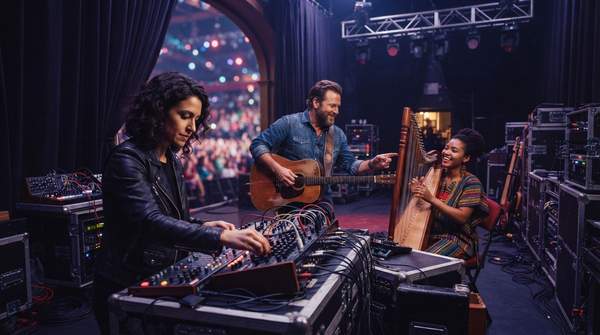
The Visual and Financial Impact of Protest
Companies and organizations supporting social justice should leverage protest music's cultural power for direct financial impact. The ACLU fundraiser, dedicating 100% of profits, exemplifies this. Music's inspirational power can directly fund organizations that write laws, even if the music itself cannot. Crucially, the visual representation of protest artists, alongside their music, amplifies a movement's reach. The iconography of protest, in photographs and media, proves as vital as the sound itself in mobilizing support and funds. This combined auditory and visual experience creates a compelling narrative, drawing wider audiences into the cause.
How does protest music influence social change?
Protest music primarily influences social change by inspiring collective action and fostering solidarity among individuals. It articulates grievances and aspirations, creating a shared emotional experience that motivates people to support social movements and, as seen with some fundraisers, directly contribute financially to organizations like the ACLU.
What are some examples of protest songs that sparked movements?
Historically, songs such as Billie Holiday's "Strange Fruit" (1939) galvanized anti-lynching efforts, while Sam Cooke's "A Change Is Gonna Come" (1964) became an anthem for the Civil Rights Movement. More recently, artists like Kendrick Lamar with "Alright" (2015) have offered powerful anthems for contemporary movements for racial justice.
How has protest music evolved over time?
Protest music has evolved from traditional folk and blues forms to incorporate diverse genres like rock, hip-hop, and electronic music. Digital platforms and social media in 2026 allow protest songs to spread globally and instantly, reaching wider audiences and facilitating rapid mobilization for various causes, often integrating visual components with audio.
If the synergy between artistic expression and direct financial action continues, protest music will likely remain a potent, evolving force for social change, especially as digital platforms amplify its reach and visual impact.