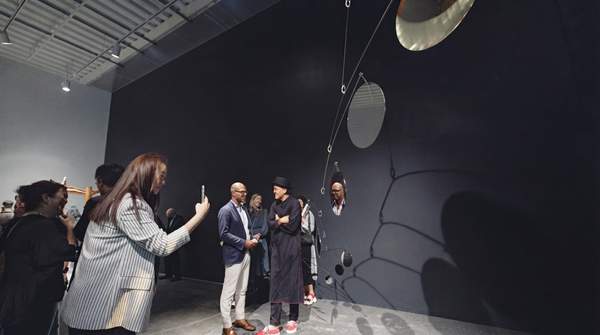
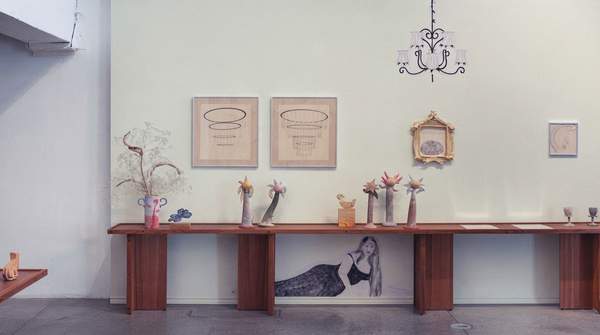
In a former apartment building, the Neighbors fair recently showcased works from 15 exhibitors, transforming domestic rooms into intimate gallery spaces. Visitors navigated through everyday living areas, encountering art in a setting that blurred the lines between private residence and public exhibition, as reported by The Art Newspaper. This approach allowed for a direct, personal engagement with pieces like Patrick Carlin Mohundro's stained glass squares, priced from $150 to $1,500.
The art world is often perceived as an exclusive, high-stakes market, but a growing number of hyper-local initiatives are making art accessible and community-driven. These efforts, like the new multi-media underground art space called The Rebel opening in Fort Myers on Friday, May 15, according to WINK News - Southwest Florida, challenge traditional notions of art presentation.
These grassroots movements are poised to redefine how art is discovered, collected, and experienced, shifting power towards local artists and engaged communities. Hyper-local exhibitions, like those emerging in 2026, prove that significant artistic and commercial value can thrive outside of exclusive, high-overhead institutions, challenging the traditional gallery model.
Art Beyond the White Cube: New Models of Engagement
Barely Fair, another Chicago satellite event, presented 32 exhibitors in McKinley Park, highlighting local galleries and artists. This focus contrasts with larger, international fairs by rooting the experience firmly within the community, fostering local pride and direct support for regional talent. At this fair, Jack Barrett Gallery showcased ceramic sculptures by Amy Brener, with individual pieces priced between $200 and $1,200, making art acquisition more attainable for new collectors.
Collectors can even acquire entire artistic environments. The PAD stand at Barely Fair, featuring Alex Schmidt's works, sold as a complete installation for $8,000, as reported by The Art Newspaper. This challenges the notion that impactful art requires exorbitant investment or traditional gallery representation. Such acquisitions at accessible prices indicate a fundamental shift in art valuation, prioritizing immersive experience and direct artist connection over traditional provenance or gallery prestige.