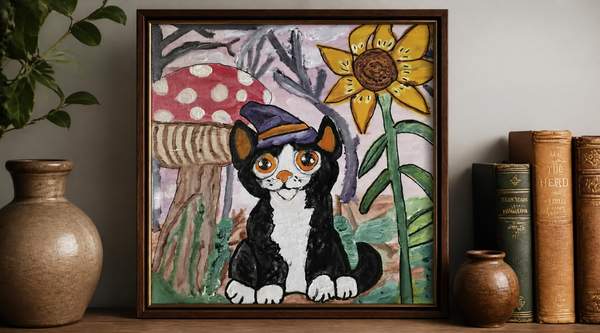
In Minneapolis, Franco-Swiss artist Saype meticulously paints colossal intertwined hands directly onto the grass of Boom Island Park, transforming a public space into a temporary, monumental artwork, according to Racket MN. This intricate, site-specific work uses the earth as its canvas, challenging the traditional expectation of art as something permanent and preserved indoors.
The perception of art as an exclusive, indoor experience persists, yet a 2026 summer art exhibitions and festivals guide reveals this summer's most prominent cultural offerings are overwhelmingly public, outdoor, and community-centric.
Cultural institutions and city planners will likely increasingly invest in accessible, large-scale public art and festival formats to foster community engagement and cultural vibrancy.
The prevalence of free, outdoor cultural events, like Saype's 'Beyond Walls' project and the Columbus Arts Festival, reveals traditional art institutions are increasingly out of step with public demand for integrated, community-centric experiences. These accessible offerings provide free or low-cost access to diverse cultural experiences, fostering broader participation. This trend suggests a future where cultural consumption prioritizes accessibility and direct engagement, moving beyond the confines of ticketed, indoor exhibitions to embrace a more inclusive public sphere.
Cities transforming public spaces into temporary cultural hubs, such as Boom Island Park with Saype's installation or Columbus's Scioto Mile Riverfront festivals, foster stronger community engagement and cultural vibrancy. This approach challenges traditional art patronage, as exclusive gallery models struggle against broad appeal and accessibility. The sheer volume and diversity of these public festivals show a profound cultural shift, prioritizing immersive experience and communal place over singular art viewing. This redefines urban cultural planning, suggesting a future where civic spaces become dynamic canvases for collective cultural expression, potentially at the expense of established, insular patronage models.
A Summer of Festivals: Columbus Leads the Way
The Columbus Arts Festival, from June 12-14 along the Scioto Mile Riverfront, initiates a series of large-scale public celebrations in the city, according to The Columbus Dispatch.
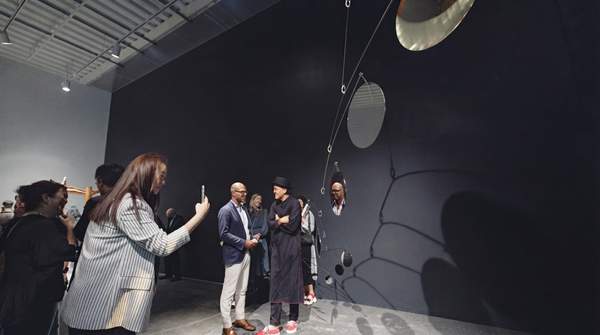
- June 12-14: The Columbus Arts Festival will take place along the Scioto Mile Riverfront, according to The Columbus Dispatch.
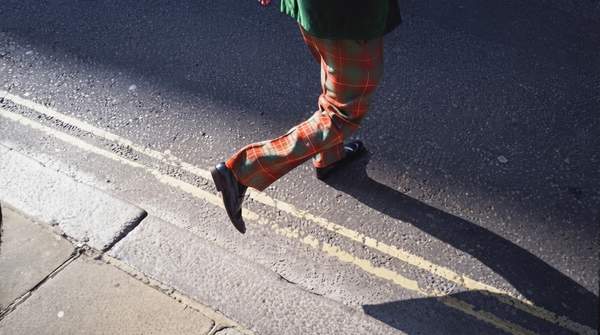
- July 3: Red, White & BOOM!, an annual fireworks celebration, will occur in downtown Columbus along the Scioto Mile, according to The Columbus Dispatch.
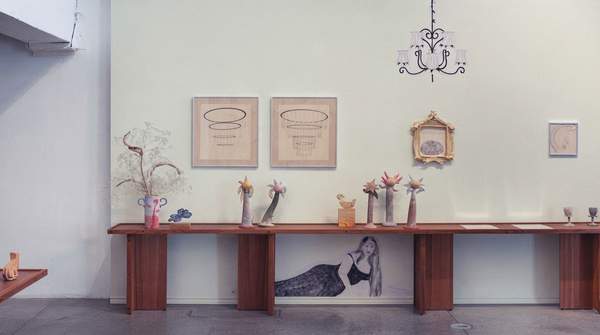
- July 24-26: The Jazz & Rib Fest is scheduled for Bicentennial Park and West Bank Park along the Scioto Mile, according to The Columbus Dispatch.
Columbus's robust event calendar reveals a strong regional commitment to large-scale, public celebrations attracting diverse crowds. This reinforces the summer's focus on shared cultural experiences. The blend of art, food, music, and community in events like the Jazz & Rib Fest points to a clear public preference for multi-sensory, integrated cultural experiences that foster social interaction. This strategic concentration of diverse festivals along a central riverfront corridor creates a distinct cultural identity for the city, positioning it as a leader in accessible urban entertainment.
Institutions Embrace Broad Appeal and New Forms
The Aldrich Contemporary Art Museum launches 'The Aldrich Decennial: I am what is around me,' a survey exhibition featuring 40 Connecticut-based artists across generations and disciplines, according to Chronogram Magazine. This broad regional focus engages local talent, signaling a strategic move towards community relevance and a recognition that local artistic ecosystems require institutional support.
The Clark Art Institute unveils 'An Exquisite Eye: Introducing the Aso O. Tavitian Collection,' featuring approximately 150 works spanning four centuries of European art. Concurrently, Kaatsbaan Cultural Park hosts its sixth annual visual arts exhibition, 'Earthly Delights,' showcasing nine contemporary artists focused on botanical forms and organic phenomena. Diverse institutional offerings show a varied commitment to engaging the public with high-quality cultural content, yet they remain largely within traditional exhibition models, relying on curated collections and dedicated spaces rather than direct public integration.
Publications like Chronogram Magazine exclusively highlight traditional, indoor, ticketed art exhibitions. This approach contrasts sharply with the public's evolving preference for accessible outdoor events. The recurring theme of transforming public spaces, exemplified by Saype's earth painting, reveals a growing desire for art and culture to integrate actively with urban environments, rather than remain confined to dedicated institutional buildings. This shift implies a re-evaluation of art's role in daily life, suggesting that relevance now hinges on accessibility and direct experiential engagement, rather than solely on curatorial authority.
If current trends persist, cultural institutions will likely adapt their programming to embrace more public, accessible, and integrated community experiences beyond late summer 2026, potentially blurring the lines between high art and popular festival culture.