A 2025 Nature Human Behavior trial, involving nearly 2,900 employees, revealed a profound truth: reducing workload per unit of time decreased burnout and improved well-being without negatively impacting performance, according to Makeheadway. The findings of this extensive study directly challenge prevailing notions of productivity. It unequivocally demonstrates that a deliberate pace yields sustainable results for both individuals and organizations. The findings expose a surprising disconnect between perceived efficiency and actual human output.
Society, however, increasingly demands a faster pace and higher output, fueled by technological advancements and cultural pressures. This constant acceleration creates a direct tension: scientific evidence now shows a more deliberate, focused approach actually improves well-being and maintains performance. This societal push for speed fundamentally clashes with emerging insights into human capacity and sustainable productivity.
Companies and individuals who continue to prioritize relentless speed over mindful engagement risk significant costs in human capital and long-term productivity. A shift towards slow living principles is not merely a lifestyle choice; it is an economic imperative. The cultural impact of slow living in 2026 is becoming undeniable, a necessary response to this unsustainable pace.
Beyond the Hype: What 'Slow Living' Really Means
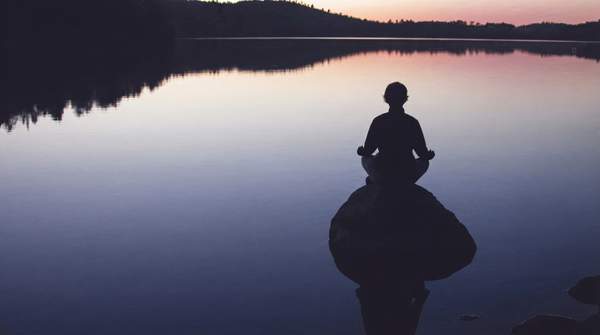
Slow living is often misunderstood as merely 'doing nothing.' Its essence, however, lies in intentional engagement. It represents a conscious choice to prioritize quality over quantity in daily activities. This philosophy encourages individuals to dedicate more energy into fewer things, enhancing focus and purpose, according to Health.
This deliberate approach extends beyond leisure, profoundly influencing work and personal routines. It involves enjoying moments fully and performing tasks at an appropriate, unhurried speed. Embracing these core principles tangibly improves mental clarity and overall well-being.
The movement distinguishes itself from idleness by advocating for mindful presence in every action. It is not about slowing down for its own sake, but about optimizing engagement and extracting deeper meaning from experiences. This redefinition directly challenges the societal glorification of constant busyness, proposing a more enriching alternative.
The Hidden Costs of Constant Acceleration
Advocates of slow living observe that technology and a hyperfocus on speed and efficiency can negatively impact people's health, enjoyment, and environmental sustainability, as noted by EBSCO. This relentless pursuit of speed, often fueled by digital tools, paradoxically diminishes human capacity for deep work and creativity. The constant demand for immediate responses and rapid output creates an environment ripe for burnout, eroding the very resources it seeks to optimize.
The economic toll of this accelerated culture is substantial. A 2025 Gallup report linked just 21% global employee engagement to an estimated $438 billion in lost productivity worldwide, according to Makeheadway. The estimated $438 billion in lost productivity worldwide reveals that disengagement, a common byproduct of overwork and stress, directly impacts organizational bottom lines. The conventional belief that faster pace equals higher output is, in fact, a costly illusion.
Companies clinging to hyper-efficiency are actively squandering billions in potential productivity. The $438 billion loss, coupled with the Nature Human Behavior trial's findings on performance maintenance with reduced workload, demonstrates that slowing down is not a luxury, but a critical economic strategy. The very tools intended to boost output may, in fact, be stifling the creativity essential for complex, meaningful work.
Practical Steps to Reclaim Your Time and Focus
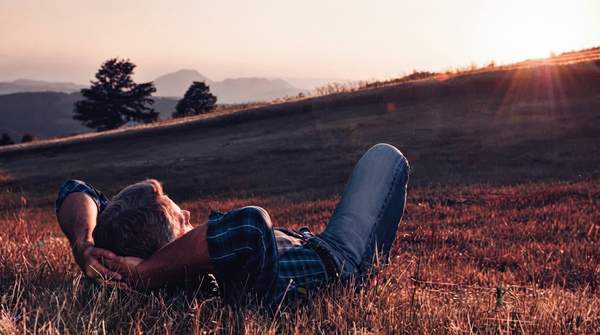
These practical steps allow individuals to regain control over their schedules and mental space. Strategies include engaging in routines with full presence, taking mindful walks, and implementing 'mini-unplugs'—15-20 minutes daily disconnected from devices, according to Health.com. Further, focusing on one chore at a time, taking up a new hobby, or simply letting the mind wander can enhance creativity and problem-solving skills, the site adds. Such practices offer a pathway to improved well-being and sustained productivity, even within demanding urban environments, proving that intentional pauses are not lost time but strategic investments.
Why Slow Living Is Gaining Momentum
The growing appeal of slow living is evident in its cultural resonance. Emma Gannon's book 'A Year of Nothing' sold out upon its initial release and is being reprinted, a clear indicator of public interest, reported by the BBC. The commercial success of Emma Gannon's book 'A Year of Nothing' reveals a profound, unaddressed societal hunger for relief from constant acceleration. It reflects a widespread individual adoption of slow practices to combat stress and burnout, as people actively seek alternatives to the relentless pace of modern life.
The surging popularity of 'slow living' literature and individual adoption of these practices, contrasted with scientific validation that a deliberate pace maintains performance, exposes a critical leadership blindspot. Employee well-being and organizational productivity are being sacrificed on the altar of a false efficiency god. This cultural shift is not merely a trend; it is a profound response to deep-seated dissatisfaction and an urgent call for systemic change.
Common Questions About Embracing a Slower Pace
What are the benefits of slow living in 2026?
Practicing slow living may indirectly offer health benefits such as lowering stress levels and blood pressure. It can also improve social interactions and enhance concentration and short-term memory, according to Health.com. These advantages collectively contribute to a more balanced and fulfilling life, fostering resilience against modern pressures.
How does slow living affect mental health?
By encouraging mindful presence and reducing the pressure for constant output, slow living significantly reduces stress and burnout. The deliberate focus on fewer tasks and intentional breaks allows the mind to rest and rejuvenate, fostering greater mental resilience. This approach directly mitigates the anxiety often associated with hyper-efficient cultures, promoting sustained psychological well-being.
Is slow living a growing trend in 2026?
Yes, slow living is indeed a growing trend in 2026. Its increasing visibility, evidenced by commercial success of related literature and widespread individual adoption, reflects a broader societal recognition: the relentless pursuit of speed is unsustainable. People are actively seeking mindful alternatives to improve their well-being and productivity, solidifying its place as a cultural movement rather than a fleeting fad.
The Future is Slow: A Call for Mindful Living
Individuals adopt slow lifestyles primarily as a method to decrease stress, as observed by MDPI. This fundamental human need for tranquility and balance fuels the increasing cultural impact of slow living. The movement offers a tangible antidote to the relentless pressures of an ever-accelerating world, suggesting a path toward sustainable human flourishing.
Organizations like Google, which has explored flexible work schedules, could see continued improvements in employee retention and innovation by Q4 2026 if they fully embrace these deliberate principles.