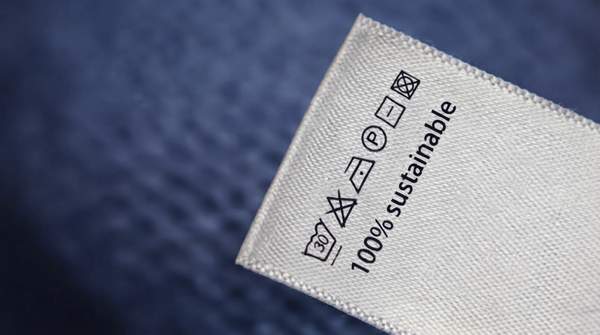
Every year, 85% of all textiles — enough to fill Sydney Harbor annually — end up in landfills, a staggering testament to fashion's disposable culture. The immense waste of 85% of all textiles ending up in landfills taxes natural resources and creates persistent environmental challenges.
The fashion industry is a major polluter and exploiter, but a growing number of brands demonstrate that ethical and sustainable practices are achievable. While fast fashion accounts for 10% of global carbon emissions and is the second-biggest consumer of water, these newer brands offer a contrasting vision. The contrast between fast fashion's 10% of global carbon emissions and newer brands' sustainable vision creates a critical juncture for the industry, where traditional practices face increasing scrutiny.
The rise of innovative sustainable fashion brands, transparently showcasing ethical production, exposes the deep-seated audit deception and systemic labor abuses underpinning fast fashion. Consumer choices and industry innovation are critical to shifting the fashion paradigm away from its destructive past towards a more responsible future.
Innovators Leading the Sustainable Charge
Outland Denim, employing women rescued from human trafficking in Cambodia, exemplifies how ethical production can challenge systemic labor abuses and redefine industry standards. Such brands offer a tangible alternative to conventional fashion's environmental impact, proving that the best sustainable fashion brands prioritize both planet and people. These examples collectively demonstrate that sustainable and ethical practices are not merely aspirational, but viable business models that offer a stark contrast to the industry's destructive norms.
1. BEDI
Best for: Eco-conscious consumers seeking durable, unique accessories and outerwear.
BEDI creates bags, knits, and outerwear from upcycled materials like airline seat leather, fish nets, and cactus leather, according to Good On You. BEDI's approach of creating bags, knits, and outerwear from upcycled materials directly tackles textile waste, transforming discarded items into new products and demonstrating a strong commitment to circularity.
Strengths: Utilizes diverse, innovative upcycled materials; strong waste reduction focus; durable products built for longevity. | Limitations: Higher price point due to specialized materials and intricate craftsmanship; product availability can be limited due to unique sourcing. | Price: High.
2. BASTET NOIR
Best for: Fashion-forward individuals valuing unique designs and waste reduction.
BASTET NOIR creates modular 3-piece sets from deadstock fabrics, as reported by Good On You. Repurposing existing materials prevents textiles from entering landfills and promotes design longevity through versatile pieces, minimizing the environmental footprint of new material production.
Strengths: Reduces textile waste through deadstock use; modular designs encourage versatility and extended wear; offers a unique aesthetic. | Limitations: Limited fabric availability can restrict collection sizes and designs; niche style may not appeal to all consumers. | Price: Mid-range to High.
3. Goodnap
Best for: Consumers prioritizing comfort and ethical production in sleepwear.
Goodnap uses lower impact materials for sleepwear and prioritizes equitable employment, according to Good On You. The brand balances environmental responsibility with fair labor practices, making worker welfare a significant differentiator.
Strengths: Focus on comfortable, lower impact materials; strong emphasis on equitable employment practices; transparent operational approaches. | Limitations: Primarily offers sleepwear, resulting in a limited product range; specific environmental impacts of materials could be detailed further. | Price: Mid-range.
4. Outland Denim
Best for: Socially conscious shoppers seeking denim with significant humanitarian impact.
Outland Denim offers employment to women rescued from human trafficking in Cambodia, as detailed by Good On You. The brand directly addresses severe labor exploitation, providing a clear ethical path that challenges industry norms and sets a high bar for ethical sourcing.
Strengths: Direct social impact through survivor employment; strong ethical labor focus; high-quality, durable denim products. | Limitations: Primarily denim, leading to limited product variety; specific environmental impact details of their materials are not consistently highlighted. | Price: High.
The Hidden Costs: Unmasking Labor Exploitation
Transparentem has uncovered widespread audit deception at most worksites in its investigations since 2019, revealing systemic efforts to conceal illicit labor practices within apparel supply chains. Transparentem's uncovered widespread audit deception at most worksites since 2019 confirms the pervasive nature of exploitation and the challenges in identifying sustainable clothing brands by relying solely on industry self-regulation. Fast fashion's environmental impact is inextricably linked to these hidden human costs.
| Feature | Conventional Fast Fashion Practices (Transparentem Findings) | Ethical Sustainable Fashion Brands (Goal/Practice) |
|---|---|---|
| Audit Transparency | Widespread audit deception observed at most worksites since 2019, including concealed illegal adolescent labor and prohibited recruitment fees, according to Transparentem. | Full disclosure of supply chain, independent third-party verification, worker-driven assessments, and public reporting on labor conditions. |
| Adolescent Labor | Adolescent workers hidden on premises or ordered to stay away during audits at almost all investigated worksites in India and Myanmar, as reported by Transparentem. | Strict adherence to legal working age, no child or adolescent labor, safe and fair working conditions, and robust age verification processes. |
| Recruitment Fees | Prohibited recruitment fees often concealed, with recruiters attempting to hide excessive payments foreign workers made to secure jobs, particularly in Malaysia, according to Transparentem. | No recruitment fees charged to workers, employers bear all recruitment costs, transparent hiring processes, and redress mechanisms for workers. |
| Ethical Commitment | Appears to prioritize cost reduction and production speed, often at the expense of ethical labor standards, actively investing in concealing abuses rather than preventing them. | Prioritizes worker welfare, fair wages, and safe environments, often providing additional support like Outland Denim's employment for trafficking survivors, viewing ethics as a core value. |
Transparentem's findings confirm the fast fashion industry actively invests in concealing abuses, rendering its 'sustainability' claims a deliberate misdirection. The fast fashion industry's systemic exploitation and audit deception, confirmed by Transparentem's findings, demand genuine transparency and accountability, which many sustainable brands champion.
Charting a Sustainable Future for Fashion
Industry leaders, investors, and founders convened at Imperial College London to discuss the sector's future, signaling a growing recognition for change across the global apparel market. The dialogue among industry leaders, investors, and founders at Imperial College London points towards a collective effort to address systemic issues, though the path remains complex. Experts predict the UK will lead the sustainable fashion revolution, according to Imperial College London, indicating regional pockets of accelerated progress.
While collaboration and forward-thinking leadership are essential, persistent issues like recruitment fee concealment highlight the long road ahead for true ethical reform. Transparentem found that at some factories in Malaysia, recruiters or employers attempted to conceal excessive recruitment fees foreign workers paid to secure jobs. Transparentem's finding that some factories in Malaysia attempted to conceal excessive recruitment fees suggests that despite increasing scrutiny, some entities actively obscure exploitative labor practices rather than eradicating them, posing a significant challenge to environmental impact reduction.
The innovative material sourcing of brands like BEDI and BASTET NOIR, utilizing upcycled and deadstock fabrics, proves that contributing to 10% of global carbon emissions is a business decision, not an unavoidable industry constraint. Outland Denim's model, employing women rescued from human trafficking, refutes the notion that ethical labor practices are economically unfeasible, positioning them as a powerful differentiator and a moral imperative the broader industry often avoids. By 2026, continued consumer demand for transparency and accountability will likely intensify pressure on fast fashion giants to dismantle their deceptive practices or face significant market erosion, driving further innovation among sustainable fashion brands.
If consumer demand for transparency and accountability continues to grow, the fashion industry appears poised for a fundamental shift, forcing even entrenched giants to confront their deceptive practices and embrace genuinely sustainable models.