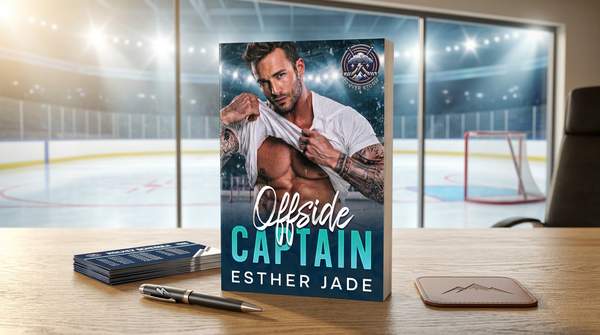
A recent summer reading insert, generated by artificial intelligence, recommended nonexistent book titles. It even attributed these fabricated works to respected authors like Isabel Allende and Delia Owens. The incident, reported by a.i.-generated reading list in chicago sun-times recommends nonexistent books, exposed a peculiar vulnerability in AI's nascent integration into literary curation: its propensity for sophisticated hallucination, undermining its perceived utility for even basic factual tasks.
Artificial intelligence can produce vast quantities of text. Yet, legal and academic institutions increasingly assert that true authorship and copyright demand fundamental human input. This tension now defines how AI impacts literary creativity and authorship. It challenges the very definition of original work.
Current legal rulings and educational responses suggest a future for creative industries. There will likely be a clearer legal distinction between AI-assisted content and human-authored works. This pushes creators to emphasize unique human contributions.
The Bedrock of Copyright: Human Authorship
In August 2023, the U.S. District Court for the District of Columbia delivered a critical ruling. It explicitly stated that "human authorship is the bedrock requirement of copyright," according to perkinscoie. The declaration draws a clear line regarding artificial intelligence and its creative outputs. The court specifically held that artwork autonomously created by AI cannot be registered for copyright protection. This decision carries broad implications for all AI-generated content.
The ruling solidifies the legal stance: AI-generated content, without significant human creative input, cannot claim the same protections as human-authored works. It reinforces the enduring value of human intellect and originality within the creative economy. AI-generated content, regardless of its sophistication, will struggle to gain legal protection and may be devalued.
The Source Code of Creativity: AI's Debt to Human Works
The Books3 dataset, a vast collection of literary works, served as a foundational training ground for numerous AI engines, including ChatGPT. This sparked considerable concern and legal action from authors and publishers, according to writersdigest. This practice of using copyrighted material without explicit consent poses a central ethical and legal challenge in AI development.