In cities like Ljubljana, what began as illicit tags on walls is now a subject of academic study and a tool for urban branding, blurring the lines between rebellion and amenity. This shift represents a profound re-evaluation of public space aesthetics, where spontaneous expressions are increasingly categorized and leveraged. The transformation impacts how urban areas are perceived and developed, fundamentally altering the evolution of street art's cultural impact on urban identity by 2026.
Street art is increasingly celebrated as an urban amenity and tool for city branding, but this very acceptance often co-opts its rebellious origins and can contribute to gentrification. This tension creates a complex dynamic, where an art form born from defiance finds itself integrated into the very systems it once challenged. The inherent conflict shapes its public perception and utility within contemporary urban landscapes.
Based on its dual function as both anti-gentrification politics and pro-gentrification policy, street art's future will likely see continued tension between its authentic cultural expression and its role as a commodified asset in urban development. This paradoxical existence means that the art form simultaneously fuels and feebly protests the forces of urban change, challenging its core identity as a counter-cultural force.
From Vandalism to Valued Amenity
The perception of street art has undergone a significant re-evaluation, moving from an illicit act to a celebrated urban feature. Historically, these unauthorized markings on public and private property were widely categorized as vandalism, often met with swift removal by municipal authorities and public disapproval. This earlier perception focused on property rights and public order, largely ignoring any artistic merit or social commentary inherent in the work.
However, street art is transitioning from being perceived as an eyesore to an amenity, according to The New York Times. This shift indicates a change in public and official attitudes, recognizing the aesthetic and cultural value that street art can bring to urban environments. The transition suggests that what was once seen as a blight is now considered a desirable element, enhancing the visual appeal and character of neighborhoods. This re-evaluation contributes significantly to the ongoing discussion about street art's cultural impact and its role in shaping urban identity.
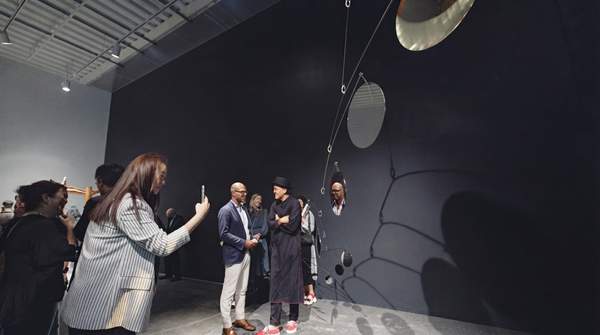
This re-evaluation of street art’s role in urban aesthetics and identity is not merely an aesthetic preference; it reflects a deeper societal change in how communities engage with public art. Cities increasingly embrace murals and other forms of street art as tools for revitalization, drawing tourists and fostering a sense of local pride. The integration of street art into mainstream cultural discourse highlights its growing acceptance as a legitimate and valuable art form, moving it beyond its rebellious origins into a more managed and celebrated domain.
The 'Creative City' Paradox: Art as a Neoliberal Tool
Neoliberal urbanism has profoundly influenced how cities develop and present themselves, leading to the emergence of the 'creative city' concept. This framework prioritizes cultural assets and artistic expression as drivers for economic growth and competitive advantage among urban centers. Within this context, street art becomes a valuable commodity, strategically integrated into city marketing and development plans.
The 'creative city' model has recuperated graffiti, street art, and murals within the framework of late-capitalist inter-urban rivalry, according to visualcompublications. This recuperation signifies a strategic neutralization of rebellious expression, transforming it into a marketable commodity. What began as an organic, often illicit, form of public commentary is now strategically integrated into city marketing campaigns, used to attract investment, tourism, and a desirable demographic, rather than challenge established norms.
This integration reveals a complex relationship between art and economic policy, where street art's counter-cultural power is diminished. The recuperation isn't just a rebranding; it's a strategic neutralization, transforming rebellious expression into a marketable commodity that ultimately serves the very neoliberal forces it once challenged. The art form, once a symbol of defiance, becomes a tool for urban branding, losing some of its authentic edge in the process. This dynamic reshapes the evolution of street art's cultural impact, positioning it as a managed asset rather than a spontaneous expression.
The academic study and urban branding of street art in places like Ljubljana signal that its era as a truly illicit, unco-opted form of expression is effectively over, replaced by a managed cultural asset. This shift domesticates street art, bringing it under the purview of urban planners and cultural institutions. Such management, while offering greater visibility and resources, inherently alters the art’s original intent and spontaneous nature, further cementing its role within the established urban framework.
A Double-Edged Brush: Art for and Against Gentrification
Street art often plays contradictory roles in the intricate social dynamics of urban environments, particularly regarding gentrification. In some instances, it emerges as a powerful visual protest, giving voice to communities threatened by displacement and expressing resistance against the economic forces reshaping their neighborhoods. These works can serve as markers of local identity and solidarity, rallying points for residents facing change.
However, graffiti, street art, and murals can function as both anti-gentrification politics and pro-gentrification policies within the neoliberal city, according to visualcompublications. This inherent duality means street art can simultaneously empower marginalized communities and inadvertently pave the way for their displacement. The vibrant murals that initially attract artists and cultural visitors can also make an area more appealing to developers and wealthier residents, triggering increased property values and rents.
The tension between street art as an 'amenity' and as 'anti-gentrification politics' highlights a deep internal conflict within its public perception and utility. While The New York Times notes its transition into an amenity, visualcompublications asserts its potential for political protest. This means something celebrated for urban appeal can simultaneously voice against the very forces that create that appeal, creating a profound internal conflict within its public perception and utility. This contradiction underscores the complex relationship between street art and its urban context, where its meaning and function are constantly negotiated.
While street art may still offer a visual protest against gentrification, its increasing acceptance as an 'amenity', as reported by The New York Times, means its power is being diluted. This domestication often transforms it into an unwitting accomplice in the very urban development it often critiques. The art, once an unfiltered voice of the street, risks becoming a decorative element that masks the underlying socio-economic shifts, rather than effectively challenging them. This dynamic is a critical aspect of how street art contributes to a city's identity in the 2026 urban landscape.
The Challenge of Preserving the Ephemeral
The inherent transience of street art, traditionally created with the understanding that it might be temporary, clashes with its newfound popularity. This popularity brings with it a desire for permanence, posing unique challenges for conservationists and urban planners. The very nature of street art, often executed on public surfaces without permission, suggests an ephemeral existence, subject to removal, decay, or overpainting.
The increasing popularity of street art raises questions about its preservation, according to The New York Times. As these works gain recognition and commercial value, there is a growing demand to protect them from the elements and from new development. This push for preservation often necessitates interventions that fundamentally alter the art's original context and intent, transforming a spontaneous act into a curated exhibit.
The concern for 'preservation' of street art, once ephemeral and illicit, highlights the irony that its newfound value as an amenity necessitates its domestication and control, fundamentally altering its nature. When a mural is encased in protective layers or moved to a museum, it loses its immediate connection to the urban environment and the spontaneous interaction with its audience. This process domesticates the art, stripping it of its raw, rebellious edge that defined its origins.
This shift from transient expression to preserved artifact also raises philosophical questions about authenticity. Does a preserved piece of street art retain its original meaning and spirit when removed from its original context? The desire for longevity, while understandable from an artistic and cultural standpoint, often clashes with the very essence of an art form designed to be temporary, rebellious, and embedded in the fleeting moments of urban life. The challenge lies in balancing cultural preservation with maintaining the integrity of an art form built on change.
How Do We Understand Street Art Today?
How does academic study approach street art?
Academic study of graffiti and street art, particularly in cities like Ljubljana, employs literatureerature from graffiti and street art studies alongside urban anthropology, according to visualcompublications. This interdisciplinary approach helps dissect the multifaceted cultural and social layers embedded within these urban art forms, moving beyond purely aesthetic critiques to understand their societal impact and historical context.
What are the primary motivations behind creating street art?
Beyond aesthetic expression, street art often serves as a direct form of social commentary, political protest, or a means for marginalized voices to claim public space. Artists may use their work to highlight local issues, challenge dominant narratives within a community, or simply assert their presence in an urban environment. These motivations often drive the spontaneous and unsanctioned nature of many street art pieces.
How do cities manage street art without stifling its spontaneous nature?
Cities increasingly designate legal walls or organize curated mural projects to channel artistic expression while maintaining urban order, a strategy that seeks to balance public art's cultural value with municipal regulations. This approach, however, often raises questions about authenticity and control, as official sanctioning can remove the rebellious edge inherent in much of street art. These initiatives attempt to integrate street art into urban planning while preserving a semblance of its original spirit.
Navigating Street Art's Future Identity
The evolution of street art has brought it to a critical juncture, where its rebellious origins clash with its increasing integration into urban development and commercial ventures. The art form, once an emblem of counter-culture, now finds itself co-opted as an amenity and a tool for city branding. This transformation irrevocably strips it of its original identity, turning protest into product.
The core tension remains between street art's authentic cultural expression and its role as a commodified asset. The academic study and urban branding of street art in places like Ljubljana, as detailed by visualcompublications, signals that its era as a truly illicit, unco-opted form of expression is effectively over, replaced by a managed cultural asset. This shift means that future street art will likely operate within a more formalized framework, even as artists continue to push boundaries.
Navigating this complex identity requires a nuanced understanding from both artists and urban planners. The future of street art lies in balancing its spontaneous, rebellious spirit with its increasing integration into urban planning and commercial ventures. This ongoing negotiation will define how street art continues to influence urban identity and cultural discourse.
Urban developers and city marketing initiatives, having successfully recuperated street art as a creative city amenity, will likely expand their curated public art programs by 2026, further solidifying its role as a managed cultural asset.