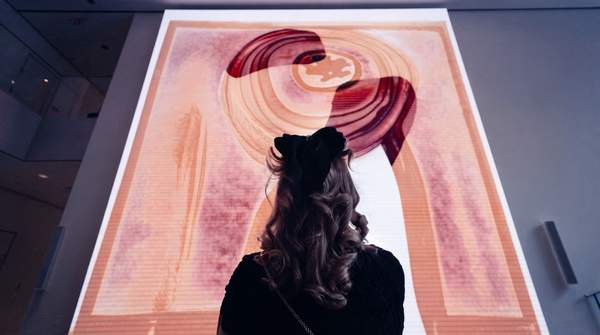
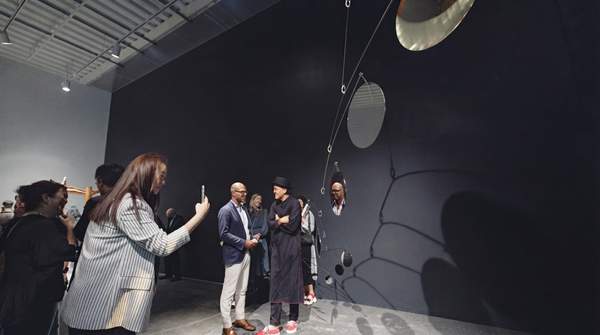
In cities worldwide, augmented reality is transforming static murals and sculptures into interactive portals, encouraging viewers to actively explore and co-create meaning in real time. This technological shift marks a significant evolution of public art in urban landscapes, moving beyond passive observation to foster deeper, more personalized engagement with civic spaces. Viewers can now use their devices to overlay digital elements onto physical artworks, revealing hidden narratives or altering visual perceptions.
Public art has always aimed for broad accessibility, but its latest evolution is shifting from passive viewing to active, real-time co-construction of meaning. A growing divergence between traditional art commissioning and contemporary public interaction is highlighted, where the act of viewing becomes an act of participation.
Based on the integration of technology and community-building processes, public art is poised to become an even more vital, dynamic, and participatory force in shaping urban identity and civic life, reflecting a broader societal expectation for interactive cultural experiences.
Augmented reality (AR) is enabling a new era of public art that encourages viewers to actively explore, interpret, and co-construct meaning in real time, moving beyond traditional spectatorship. This interactive approach, detailed in Scientific Reports, transforms the viewing experience into a participatory event. A fundamental shift in how the public interacts with and defines art in urban spaces is signaled by this technological integration, moving beyond mere observation.
More Than Just Decoration: Defining Public Art's Core Purpose
Public art serves a foundational purpose as a democratizing force for cultural access within urban environments. It aims to make art accessible to all by taking it out of traditional galleries and private collections, according to The Ohio State University. This core principle ensures that art becomes a shared experience, breaking down traditional barriers to cultural engagement and enriching everyday life for residents and visitors alike. By placing art directly into public squares, parks, and along city streets, it integrates aesthetic value into the daily routines of citizens, making cultural enrichment an inherent part of the urban experience. This approach fosters a sense of shared ownership and appreciation, distinguishing public art from privately held collections.

The Enduring Power of Public Presence: Fostering Long-Term Connection
The inherent public and outdoor nature of civic art fosters deeper, evolving engagement over time for community members. Individuals can form a relationship with public art and develop their response to it over time because it is situated outdoors in a public space, as noted by The Ohio State University. This continuous, open access allows for a unique, personal evolution of meaning and connection for each viewer, making art a living part of the urban fabric rather than a static display. Unlike museum pieces with fixed interpretations, public installations invite repeated encounters, allowing personal perspectives to deepen and shift with each viewing. This sustained interaction cultivates a distinct bond between the art, the location, and the individual, weaving cultural elements into the city's collective memory.
Behind the Scenes: The Collaborative Canvas of Public Art
Bringing public art projects to fruition requires complex, collaborative, and often unseen processes. The Public Art Program in Albuquerque, New Mexico, for example, utilizes formal processes of consensus building and secures private and public partnerships for capital and cultural projects, according to Cabq. This traditional approach involves extensive planning, community consultations, and securing diverse funding streams to ensure projects align with civic goals and public expectations. The lengthy timelines and multiple stakeholders in these formal processes contrast sharply with the immediate, user-driven nature of contemporary interactive art.
While this traditional model emphasizes formal consensus, AR-enabled public art encourages real-time co-construction of meaning by viewers, as highlighted in Nature. The traditional, top-down commissioning process for public art is increasingly at odds with the bottom-up, dynamic nature of modern interactive art experiences, potentially creating a gap between institutional intent and public engagement, as indicated by this divergence. The ability for individuals to instantly alter or augment an artwork's perception challenges established notions of artistic authority and permanence. These intricate collaborations are essential for integrating art meaningfully into the urban fabric, ensuring community buy-in, and securing its longevity and impact, though their methods must adapt to new technologies that empower individual interpretation.
Why Public Art Matters: Shaping Identity and Engagement
The evolution of public art from static display to interactive experience profoundly shapes civic identity, fosters community dialogue, and enhances the overall quality of urban life. Cities investing in traditional public art commissions without integrating interactive, AR-enabled elements risk creating expensive, static decorations that fail to engage a public accustomed to real-time co-creation. These non-interactive installations may struggle to resonate with younger generations who expect digital engagement as a norm. The formal, consensus-driven processes for public art are becoming obsolete in an era where the public expects to actively shape their civic experiences, suggesting a need for commissioning bodies to embrace more agile, participatory models. This shift ultimately strengthens the bond between citizens and their urban environment, making cultural expression a more democratic and responsive endeavor. It allows communities to see their evolving values reflected in their public spaces.
Your Questions Answered: Navigating the World of Public Art
What is the purpose of public art in cities?
Public art aims to enrich civic life by making cultural experiences accessible to everyone, fostering community pride, and stimulating public discourse. For instance, temporary public art installations can draw visitors to specific urban districts, boosting local economies and highlighting overlooked historical narratives, adding layers of meaning to cityscapes.
How does public art affect community?
Public art significantly affects community by promoting social cohesion, encouraging interaction, and providing shared cultural landmarks. It can also serve as a catalyst for urban renewal projects, transforming neglected spaces into vibrant community hubs through collaborative design and installation efforts, thereby enhancing local identity and pride. These projects often involve local artists and residents, strengthening communal ties.
What are the different types of public art?
Public art encompasses a broad spectrum, including traditional sculptures and murals, interactive digital projections, and performance art pieces. Contemporary forms increasingly feature augmented reality overlays and soundscapes, transforming existing physical spaces into dynamic, multi-sensory experiences that respond to viewer interaction and environmental factors. This diverse range ensures varied engagement opportunities for all demographics.
The Future is Interactive: Public Art as a Catalyst for Urban Vibrancy
Public art is increasingly becoming a dynamic, co-created element vital for fostering vibrant, engaged urban futures that reflect and inspire their communities. The convergence of art and technology, particularly augmented reality, is redefining how citizens interact with their environment, moving public art towards more fluid, participatory models where individual interpretation and real-time engagement drive meaning. This evolution calls for commissioning bodies to rethink their strategies, favoring adaptability and technological integration over purely static installations.
By 2026, urban planning initiatives, like those seen in forward-thinking cities such as Singapore with its Smart Nation initiatives, will likely integrate interactive art installations as standard practice, ensuring public spaces remain relevant and engaging for a tech-savvy populace. This proactive approach will position cities to cultivate richer cultural dialogues and foster stronger civic identities through accessible, evolving artistic expressions.