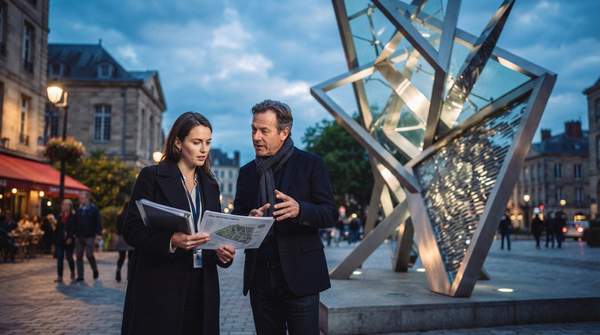
The profound impact of various forms of digital art on traditional art and exhibition spaces is now a central feature of the contemporary creative world. Indeed, most art today deploys new technology at one or more stages of its production, dissemination, and consumption, signaling a fundamental shift in how we create and engage with visual culture. This technological integration is not merely a stylistic trend but a deep-seated evolution that challenges long-held definitions of the art object, the role of the artist, and the very nature of the gallery experience. Understanding this digital transformation is essential for anyone seeking to comprehend the trajectory of 21st-century art.
The conversation surrounding digital art has moved from the periphery to the core of artistic discourse. The rapid development of digital technology has had a great impact on all types of arts, including traditional arts, as noted in a study on the subject from IAFOR. This influence extends from the individual artist's studio to the institutional frameworks of museums and galleries. As new tools become accessible and new platforms emerge, they present both opportunities and complex questions for creators, curators, and collectors alike. The art world is currently navigating this new terrain, grappling with issues of authenticity, preservation, and value in an increasingly immaterial and networked environment.
What Is Digital Art?
Digital art is the use of technology in creative thinking and art making. According to the Victoria and Albert Museum, this broad category describes any artistic work or practice that uses digital technology as part of the creative or presentation process. Think of it as an expansion of the artist's toolkit, analogous to the 19th-century invention of the collapsible paint tube, which allowed Impressionist painters to leave the studio and capture the fleeting effects of natural light. Similarly, digital tools have liberated artists from the constraints of physical media, opening up new realms of aesthetic and conceptual possibility.
This expansive field is not a single, monolithic style but a diverse ecosystem of practices. It encompasses a wide spectrum of mediums, each with its own unique properties and artistic language. The common thread is the translation of artistic ideas into a digital format, whether the final output is a screen-based image, an interactive installation, or a physical object created through digital fabrication. The diverse forms of digital art include:
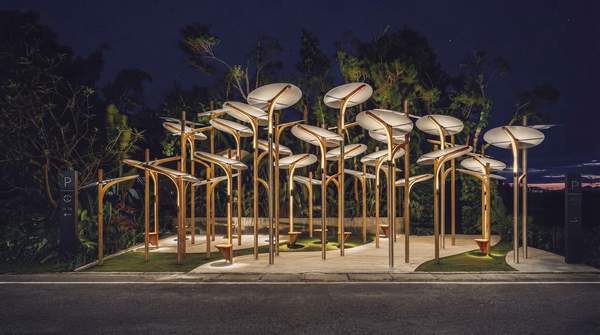
- Generative Art: Art created, in whole or in part, with the use of an autonomous system. The artist designs a set of rules or an algorithm, which the computer then executes to generate the final artwork, often with results that are emergent and unpredictable.
- Virtual Reality (VR) and Augmented Reality (AR) Art: Immersive experiences where the viewer can enter and interact with a digitally constructed environment (VR) or where digital elements are overlaid onto the real world (AR).
- Net Art and Post-Internet Art: Art that uses the internet as its primary medium and subject matter. Post-internet art often reflects on the experience of living in a digitally networked culture, even when it takes the form of a physical sculpture or painting.
- Digital Imaging and Photography: The creation and manipulation of images using software like Adobe Photoshop. This includes everything from subtle photographic retouching to the construction of entirely new surrealistic tableaus.
- Interactive Installations: Artworks that respond to the presence or actions of the viewer, often using sensors, cameras, and code to create a dynamic and participatory experience.
- 3D Modeling and Printing: The creation of three-dimensional objects from digital models, blurring the line between digital design and physical sculpture.
How Digital Art Impacts Traditional Painting and Sculpture
The rise of digital technology has not signaled the demise of traditional art forms like painting and sculpture; rather, it has instigated a period of profound cross-pollination and evolution. Digital tools have expanded the creative possibilities for artists working in conventional mediums, allowing for the creation of hybrid art forms that blend analogue and digital techniques. According to an analysis by Vocal Media, this fusion is one of the most significant consequences of the digital age, enabling artists to push the boundaries of their respective crafts in unprecedented ways.
For painters, software like Procreate and Corel Painter offers an infinite canvas with layers, customizable brushes, and the crucial ability to "undo" a mistake, features that have no direct physical equivalent. This allows for complex compositions and experimental approaches that can be planned digitally before being executed on canvas. The artist's palette evokes a new sensibility, one informed by the luminous glow of the screen and the precise gradients of digital color pickers. Some artists use digital projections to map intricate designs onto their canvases, while others create paintings that are translations of digitally generated images, imbuing the physical brushstroke with a digital ghost.
Similarly, sculptors now employ 3D modeling software and digital fabrication technologies like CNC milling and 3D printing to realize forms of extraordinary complexity and precision. These tools allow for the creation of intricate lattices, mathematically perfect curves, and modular structures that would be painstakingly difficult, if not impossible, to achieve by hand. The process often involves a dialogue between the virtual and the physical, as a form is designed on a screen, printed or milled into a material substance, and then often finished by hand, retaining the artist's touch. This piece, born from code yet finished with a chisel, serves as a commentary on the evolving relationship between human craft and machine execution.
This integration, however, also introduces complex questions concerning artistic authenticity and ownership. The ease with which digital files can be duplicated and distributed challenges the traditional art market's emphasis on the unique, singular object. As Vocal Media reports, these concerns about copyright and the intrinsic value of an artwork are central to the contemporary debate. While a traditional painting's value is tied to its physical originality, the value of a digital or digitally-assisted work must be defined through new criteria, forcing a re-evaluation of what constitutes an an "original" in the 21st century.
The Evolving Landscape of Digital Art Exhibition Spaces
The impact of digital art extends far beyond the artist's studio, fundamentally reshaping the spaces and methods of art exhibition. Digital platforms, from online galleries to social media, have provided artists with direct access to a global audience, democratizing a distribution system once tightly controlled by galleries and museums. This shift has altered how art is discovered and consumed, but it has also presented a significant challenge to traditional brick-and-mortar venues, which have reportedly seen decreased foot traffic as audiences engage more with art online.
In response, cultural institutions are not merely resisting this change but actively adapting to it. The exhibition masterfully curates a visitor experience that now often includes a digital dimension. Museums and galleries are increasingly adopting technologies like virtual tours, interactive mobile guides, and AR applications that provide additional layers of information about the artworks on display. These initiatives aim to bridge the gap between the physical and digital, enhancing the in-person visit while also extending the institution's reach to a global online audience. This reflects a broader trend toward creating more accessible and engaging cultural experiences, a key priority for institutions navigating the digital age.
A particularly fascinating development in this area is the rising significance of documentation itself as an artistic and curatorial practice. A book titled Documentation as Art, detailed by aaaan.net, explores how the act of documenting an exhibition or an ephemeral artwork is becoming a distinct cultural form. This is especially crucial for preserving digital art forms—like live events or evolving interactive pieces—that are difficult to capture. According to the book's analysis, documentation led by artists, audiences, and museums can become part of the original artwork, radically changing exhibition practices and influencing the value and experience of the documented event. The Instagram post, the video walkthrough, or the archival website ceases to be a mere record and becomes an integral part of the work's existence and legacy.
This new emphasis on documentation and digital dissemination creates a feedback loop. The way an exhibition is designed is now often influenced by how it will be photographed and shared online. Some artworks, particularly immersive installations, seem almost purpose-built for the age of social media, their vibrant colors and photogenic qualities encouraging visitor participation and digital circulation. While this can be seen as a form of marketing, it also represents a deeper integration of the exhibition space into the networked fabric of contemporary life, where the experience of art is simultaneously personal and publicly shared.
Frequently Asked Questions
What is the main difference between digital art and traditional art?
The primary difference lies in the medium and tools used for creation. Traditional art employs physical materials such as paint, canvas, clay, or stone, while digital art utilizes technology—computers, software, code, and electronic devices—as its primary medium. However, the distinction is becoming increasingly fluid as many contemporary artists blend both traditional and digital techniques in their work.
How do museums exhibit digital art?
Museums and galleries display digital art using a variety of methods tailored to the specific form of the artwork. This can include high-definition screens or projectors for video and image-based works, dedicated rooms with VR headsets for immersive experiences, or interactive installations that use sensors to respond to viewers. Sometimes, a digital artwork is presented as a high-quality physical output, such as a digital print or a 3D-printed sculpture. Many institutions also host exhibitions on their websites, creating purely virtual spaces for net art and other screen-based works.
Does digital art have the same value as traditional art?
Yes, digital art can hold significant value, determined by factors similar to those for traditional art: the artist's reputation, the work's historical or cultural importance, its conceptual strength, and its rarity. For digital files that can be easily copied, establishing uniqueness and ownership is a key challenge. This has led to the use of technologies and contractual agreements to verify authenticity and limit editions, thereby creating the scarcity necessary for market value.
Is digital art replacing traditional art forms?
Historically, new technologies such as the camera and silkscreen have consistently integrated into the arts, expanding the field of artistic practice rather than replacing traditional forms. Digital technology is the latest evolution in this process, providing a new set of tools and possibilities. Many artists continue to work exclusively in traditional mediums, while others move fluidly between physical and digital methods, demonstrating that these forms can coexist and enrich one another.
The Bottom Line
Digital art fundamentally influences how art is made, exhibited, valued, and experienced, making it an inseparable part of the contemporary art landscape. This technological wave has spurred innovation, created new hybrid forms, and compelled traditional institutions to evolve. To fully appreciate the art of our time, one must engage with both the rich history of physical media and the dynamic, ever-expanding frontier of the digital realm.