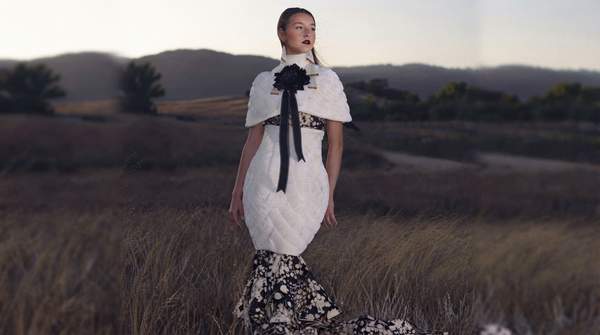
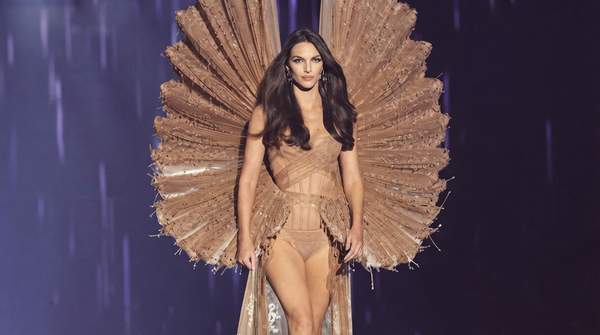
Nina Ricci, a French fashion house established in 1932, has appointed Harris Reed, a designer known for his radically gender-fluid aesthetic and advocacy for trans youth, as its new creative director. This decision places a historic brand, long associated with classic femininity, at the forefront of fashion's cultural redefinition. It signals a growing imperative within the luxury sector to engage with evolving identity perceptions.
Luxury fashion houses have historically reinforced strict gender binaries through their designs and marketing. Yet, this appointment marks a distinct departure, as a heritage brand like Nina Ricci now embraces a creative director whose work actively challenges those very norms. This inherent tension reveals the profound pressures facing established brands in a rapidly changing market.
The mainstream adoption of gender-fluid fashion is poised to accelerate, compelling more brands to rethink their design and marketing strategies or risk irrelevance. This shift becomes a commercial imperative for luxury houses, forcing them to redefine their core identity and embrace radical creative leadership.
Understanding the Evolving Landscape of Gender-Fluid Fashion
The appointment of Harris Reed at Nina Ricci is a significant development, with Reed’s first collection for the house having been released in early 2023. A broader trend is the blurring lines between men's and women's fashion, underscored by this move, as noted by Cnbc. This isn't merely about clothing; designers are increasingly integrating nuanced interpretations of gender into products, graphics, environments, and even technology, a comprehensive approach reported by The New York Times.
This comprehensive approach, extending beyond garments to encompass the entire brand experience, fundamentally redefines fashion's role in identity. The luxury sector's embrace of a designer known for a radically gender-fluid aesthetic, especially within a heritage house, confirms this shift is not superficial. A deeper integration of gender fluidity as a core design principle is signified, moving beyond unisex offerings to actively challenge established gender norms within high fashion.
The Unstoppable Rise of Gender-Fluid Consumers
Consumer behavior data reveals a growing demand for gender-fluid fashion. A significant portion of U.S. respondents have purchased fashion outside of their gender identity, according to fashionindex. A widespread receptiveness to such designs is indicated, with a substantial majority of U.S. respondents expressing openness to more gender-neutral clothing.
Younger generations are driving this trend significantly. Many Gen-Z consumers globally have purchased fashion outside of their gender identity, and a large majority of consumers state they are interested in buying gender-fluid fashion in the future, according to www3. Gender-fluidity is not a niche interest but a powerful market force with substantial untapped potential, as these figures confirm.
A fundamental cultural shift is signaled by this widespread consumer embrace, where fashion is increasingly viewed as a tool for authentic self-expression rather than a marker of traditional gender. For brands, this translates into a clear commercial imperative: those that fail to integrate gender-fluidity into their core offerings risk alienating a significant and growing segment of the market.
From Fast Fashion to High Advocacy: Industry Embraces Fluidity
Major retailers, including Zara, ASOS, and H&M, have responded to consumer demand by releasing dedicated gender-fluid or gender-neutral clothing lines, according to deepwear. The commercial viability of gender-fluid offerings is confirmed by this widespread adoption by mass-market brands. Crucially, this engagement extends beyond fast fashion, as evidenced by Harris Reed's decision to retain his independent creative studio even after accepting the top job at Nina Ricci, a move reported by goldenglobes.
Reed's commitment to his personal brand and advocacy reveals a new dynamic in luxury fashion. He champions Mermaids, a UK organization supporting trans and gender-nonconforming children and teenagers, believing fashion brands should actively support such causes, according to GQ. For a new generation, a brand's social and ethical positions are integral to its appeal, a stance that underscores this, compelling luxury houses to engage with social issues beyond mere marketing tactics.
This convergence of mass-market appeal and high-profile advocacy suggests that gender-fluid fashion transcends mere trend cycles. A profound cultural shift is represented, where design, commerce, and social responsibility are increasingly intertwined, demanding that luxury brands align their aesthetics with authentic ethical commitments.
Why Gender-Fluidity is a Strategic Imperative for Luxury
The appointment of Harris Reed at Nina Ricci, a brand founded in 1932, marks a pivotal moment for luxury heritage houses. That these brands are no longer merely observing the gender-fluid movement from a distance is indicated. Instead, they are actively engaging its most radical proponents to redefine their relevance, moving beyond simple adaptation to embrace fundamental disruption within a rapidly evolving market.
Historically, luxury fashion brands reinforced strict gender binaries, meticulously crafting distinct narratives for masculine and feminine elegance. Yet, the current consumer landscape, characterized by a strong interest in gender-fluid fashion and purchasing habits that defy traditional identities, necessitates a profound strategic re-evaluation. Brands that fail to integrate gender-fluidity into their core offerings risk not only alienating a significant and growing market segment but also appearing anachronistic in their foundational approach to identity.
This transformation elevates gender-fluidity from a mere cultural preference to a commercial imperative, compelling luxury houses to fundamentally reconsider their brand identities. They must embrace creative leadership that actively challenges established norms, or face the prospect of commercial irrelevance. Nina Ricci's decision to bring in Harris Reed underscores this strategic pivot, prioritizing contemporary relevance over a rigid adherence to past conventions.
What are the key elements of gender-fluid fashion?
Gender-fluid fashion prioritizes versatility, comfort, and self-expression, often employing non-restrictive silhouettes and adaptable designs. It centers on garments wearable by anyone, irrespective of gender identity, moving away from traditionally gendered cuts and fits. The increasing popularity of oversized blazers and flowing tunics, transcending conventional menswear or womenswear categories, serves as a prime example.
How does gender-fluid fashion impact identity?
Gender-fluid fashion empowers individuals to express their identity authentically, liberated from societal expectations tied to traditional gender roles in clothing. It facilitates a more nuanced and personal articulation of self, challenging the historical premise that attire must conform to a binary understanding of gender. This freedom cultivates greater self-acceptance and creativity in personal style.
What are examples of gender-fluid clothing styles?
Examples of gender-fluid clothing styles include tailored suits with soft shoulders, flowing kaftans, and versatile denim pieces designed without specific gendered markers. Accessories such as chunky jewelry, minimalist bags, and platform shoes also frequently feature in gender-fluid collections, offering expressive elements applicable to diverse aesthetics. Brands like Palomo Spain and Charles Jeffrey Loverboy consistently showcase these styles on runways.
The strategic imperative for luxury heritage brands to embrace gender-fluid fashion is undeniable. By 2026, brands like Nina Ricci, having proactively appointed radical creative leaders, will likely capture a significant share of the evolving consumer market, potentially leaving behind those that cling to outdated gender binaries.