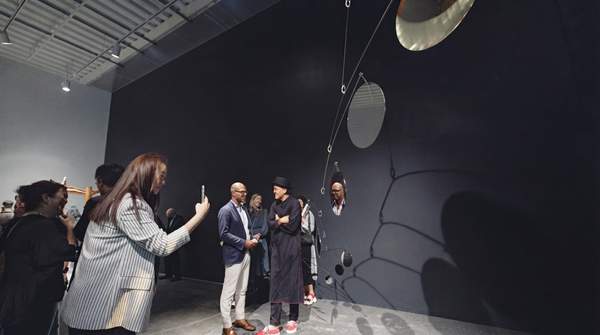
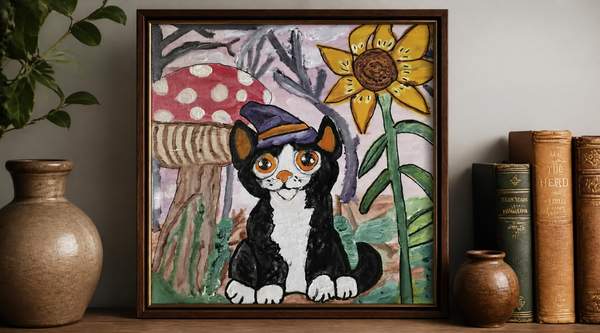
In a recent London exhibition, visitors used smartphones to bring traditional paintings to life. They manipulated 3D animations and altered visual elements with a tap. This fusion, phygital art, transforms static canvases into dynamic, interactive experiences, inviting audiences into a new dimension of artistic engagement.
Digital art often feels abstract and inaccessible to many. Phygital art, however, offers a tangible, interactive bridge. It demystifies digital elements and broadens contemporary art's appeal.
By combining tangible and digital elements, phygital art appears likely to drive mainstream adoption and appreciation of digital expression.
What Exactly is Phygital Art?
Phygital art represents a creative convergence. Physical artworks are enhanced or paired with digital components, blurring traditional lines. While much digital art links to blockchain, a phygital work need not be an NFT, reports CNN. This distinction offers artists a flexible framework. They can extend beyond blockchain-reliant models, embracing any blend of physical and digital.
This optionality offers artists a strategic pathway. They can bypass the crypto market's speculative, intimidating aspects. This provides a more direct, accessible entry for new collectors unfamiliar with digital asset ownership.
Beyond the Canvas: How Phygital Art Comes Alive
Artists use augmented reality (AR) to create interactive experiences. They transform static artworks into dynamic pieces viewers can manipulate and explore. A viewer, for example, might use a phone to overlay 3D animations onto a physical sculpture, making it appear to move or change form, as described by mywebar.
This integration transforms passive viewing into active, personalized exploration. It deepens the connection between artwork and audience through direct interaction, moving beyond mere observation.