Art

What Are the Different Forms of Visual Art? A Comprehensive Guide

Understanding the different forms of visual art is an entry point into the diverse conversations humanity has had with itself throughout history. This guide serves as a comprehensive introduction to the primary forms of visual art, offering a framework for appreciating classical masterpieces, modern installations, and digital creations.

MR
Matteo Ricci

March 30, 2026 · 8 min read

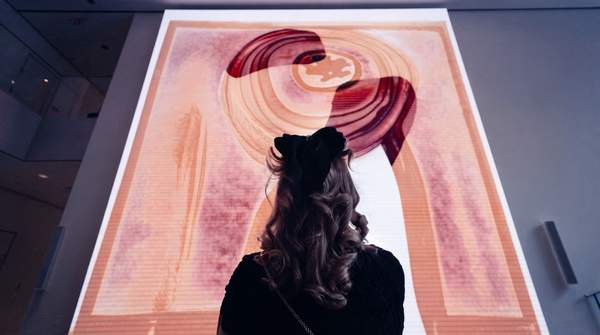
A visually rich image showcasing the evolution of art, from ancient sculptures and classic paintings to modern abstract installations and contemporary digital art.

From the Paleolithic caves of Lascaux to digital screens, visual art provides a rich, complex lexicon for human experience, emotion, and ideology. Understanding its diverse forms is not merely academic; it's an entry point into humanity's millennia-spanning conversations with creative expression, revealing whether art appreciation is universal or shaped by culture and expertise.

Art appreciation, a cultivated skill according to Humanities LibreTexts, requires knowledge of an artwork's context, vocabulary for its form and materials, and the ability to identify its movements and traditions. This guide introduces primary visual art forms, offering a framework for appreciating classical masterpieces, modern installations, and digital creations.

What are the main categories of visual art?

Visual art encompasses expressions using skill and imagination to create aesthetic objects, environments, or experiences perceived primarily through sight, as defined by the HUM 3610: Art Appreciation guide from Baker College. Traditionally categorized by medium and dimensionality, these foundational forms offer a crucial starting point, even as contemporary artists increasingly blur boundaries with hybrid works.

The most enduring categories are painting, sculpture, and drawing, which form the bedrock of Western art history. Painting involves the application of pigment to a surface like canvas, wood, or a wall, and is inherently two-dimensional. Sculpture is a three-dimensional art form, created by shaping or combining hard or plastic materials, sound, or text and light. Drawing is often considered the most fundamental of the visual arts, serving as a basis for other forms and as a finished medium in its own right. These can be further broken down into more specific classifications:

  • Graphic Arts: This term refers to forms of art typically expressed on a flat surface. It prominently includes painting and drawing but also encompasses design, printmaking (such as etching and lithography), and modern forms like digital illustration. The defining characteristic is the creation of an image on a two-dimensional plane.
  • Plastic Arts: This category is defined by three-dimensionality and the act of modeling or shaping material. It is most commonly associated with sculpture and modeling in clay, but it can extend to ceramics, glasswork, and even certain forms of architecture where the shaping of space and form is paramount.

The 20th and 21st centuries introduced new forms like photography (capturing light), installation art (transforming spaces), performance art (artist's body as medium), and digital art (technology as tool). While understanding these categories is a first step, true appreciation comes from examining how artists utilize, combine, and subvert them across eras to express their time's ideas.

Exploring classical painting and sculpture

The history of art is inextricably linked with world history; as Humanities LibreTexts notes, understanding art requires understanding its producing culture. Painting and sculpture traditions offer a profound window into human culture, technical skill, and philosophical thought. Their masterpieces are laden with the values, anxieties, and aspirations of their societal milieu, demanding engagement with their historical and cultural narratives beyond mere aesthetics.

In painting, for instance, the work of an artist like Caravaggio at the turn of the 17th century marked a revolutionary shift. As detailed in materials from Piedmont Virginia Community College, Caravaggio's innovative style, characterized by its dramatic use of light and shadow (chiaroscuro) and its unflinching, often gritty realism, broke from the idealized conventions of the High Renaissance. His palette evokes a raw, immediate humanity, transforming biblical scenes into visceral, contemporary dramas. This approach serves as a commentary on the religious and social turbulence of the Counter-Reformation, grounding divine events in a palpable, human world. Similarly, the Post-Impressionists of the late 19th century, such as Vincent van Gogh and Paul Gauguin, used color and form not to replicate reality but to express inner emotional states. Van Gogh’s bold, impasto brushstrokes and Gauguin’s experimentation with flattened perspectives and symbolic color palettes reveal artists grappling with the psychological and spiritual uncertainties of a rapidly modernizing world.

As an ancient art form, sculpture provides a tangible link to past civilizations' belief systems. Ancient masterworks, from serene Classical Greek statuary to powerful Ancient Egyptian figures, were didactic objects communicating cultural identity, religious devotion, and political power. Material choices like marble or bronze symbolized immortality and divine authority. Analyzing these works involves understanding their original function: a pharaoh's statue embodied divine kingship, while a Greek kouros represented youthful, athletic excellence. These complex pieces are filled with symbolism and cultural references requiring a discerning eye.

Understanding modern art installations and digital art

The 20th century unleashed a radical expansion of what art could be, moving beyond the confines of the canvas and the pedestal. Modern and contemporary forms like installation art and digital art challenge traditional notions of viewership, permanence, and the art object itself. These newer forms often prioritize concept and experience over pure aesthetics, demanding a different kind of engagement from the audience. They reflect a world that is increasingly interconnected, technologically mediated, and aware of the viewer's active role in the creation of meaning.

Installation art transforms an entire room or space into a comprehensive, immersive artwork. Instead of looking at an object on a wall, the viewer physically enters the work, becoming part of its environment. These pieces are often ephemeral, existing only for the duration of an exhibition, which serves as a commentary on permanence and memory. Artists use a vast array of materials, from traditional media to light, sound, video, and found objects, to construct these aesthetic environments. The experience can be multisensory and deeply psychological, designed to evoke a particular mood, critique a social or political issue, or explore the phenomenology of space itself. Appreciating installation art requires a willingness to participate, to move through the space, and to consider how one's own presence alters the work's impact.

Digital art represents the latest frontier, utilizing the tools of the digital age to create works that would have been impossible a generation ago. This is not a single, monolithic category but a diverse field that includes everything from digital painting that mimics traditional media to generative art created by algorithms, interactive works that respond to user input, and virtual reality experiences that construct entirely new worlds. The artist's palette expands to include code, pixels, and data streams. This piece serves as a commentary on our contemporary relationship with technology, information, and virtuality. Appreciating digital art often involves understanding the underlying technology and the conceptual framework the artist is exploring, whether it's the nature of artificial intelligence, the structure of networks, or the fluid identity of the digital self.

Why Understanding Art and Its Forms Matters

Learning to appreciate art provides a necessary cultural foundation, enabling critical analysis of artworks and how cultures express values and histories, according to Humanities LibreTexts. As a primary document of human consciousness, art offers rich, non-verbal histories; Edvard Munch's bold, expressive works, for example, provide profound insight into Symbolist anxieties and fin-de-siècle Europe's psychological landscape. Engaging with diverse art forms is a vital component of cultural education.

Art appreciation hones critical thinking and observational skills. Engaging with complex art, often filled with hidden layers, involves an analytical journey: identifying formal elements like composition and color, researching historical context, decoding symbolism, and formulating personal interpretations. This deep looking and critical inquiry is a transferable skill, teaching us to question first impressions, consider multiple perspectives, and construct nuanced arguments from visual evidence.

Exploring visual art fosters understanding of cultural specificity and shared human experience. A 2022 Nature article, investigating universal art appreciation, noted a general preference for representational over abstract art. However, deeper appreciation reveals that while the creative impulse is universal, its forms are profoundly cultural. Comparing a Japanese ukiyo-e print's aesthetic to an Italian Renaissance fresco, for example, illuminates different worldviews. This dialogue between universal and particular enriches perception, promotes empathy, and deepens our understanding of humanity.

Frequently Asked Questions

What is the difference between fine arts and visual arts?

The term "fine arts" is a broad category of expression created for aesthetic or intellectual purposes rather than functional ones. It traditionally includes visual arts, music, literature, poetry, and dance. "Visual arts" is a subset of the fine arts, specifically referring to disciplines that create works that are primarily visual in nature, such as painting, sculpture, drawing, printmaking, and photography.

How can I start learning to appreciate art?

Begin by simply looking. Visit local museums, galleries, or even browse online collections. Spend time with a single artwork and note your initial reactions. Then, seek out information about the artist, the historical period, and the work's intended meaning. Learning some basic art history and vocabulary related to form, color, and composition can provide a framework for your analysis and deepen your understanding.

Why is some modern art so abstract?

Abstract art, which emerged in the early 20th century, intentionally moves away from realistic depiction. Instead of representing the world as it appears, abstract artists often focus on communicating emotions, ideas, or spiritual states through the formal qualities of color, line, shape, and texture. It challenges the viewer to engage with the work on a conceptual or emotional level rather than a purely literal one, seeing the artwork as an object in its own right.

The Bottom Line

From classical painting techniques to contemporary installations, each visual art form offers a unique language for exploring our world. Understanding these diverse forms is a journey through human creativity, innovation, and cultural expression. Cultivating this appreciation enriches our lives and deepens our connection to humanity's shared stories.