In Suzhou, China, a study of 305 tourists on Huaihai Street revealed that active participation in cultural commercial spaces significantly boosts both engagement and spending. A new imperative for heritage sites worldwide is signaled by this finding, published in a study on participatory experiences in cultural and tourism. Visitors are not merely observing culture; they actively seek to be part of it, influencing economic decisions and reshaping cultural consumption.
Cultural consumption has long been a contemplative, often passive activity. Yet, the experience economy demands active, interactive engagement—vital for both commercial success and the preservation of cultural heritage itself. This tension between traditional viewing and immersive participation defines a critical shift in how culture thrives.
Institutions that integrate immersive, participatory elements into their offerings will likely secure greater funding and audience engagement. Those that resist this shift may face declining relevance and financial strain. This adaptation is not merely an option; it is a strategic path to long-term vitality and sustained cultural engagement.
Understanding Cultural Consumption in the Experience Economy
Cultural tourism commercial spaces, like vibrant markets or interactive museum exhibits, enhance user experience and satisfy consumption needs. Their inherent uniqueness and strong interactive elements drive this enhancement, according to PMC. The experience economy in cultural settings thrives on creating distinct, engaging environments. These spaces move beyond passive observation, fostering deeper visitor connections and meeting the demand for personal, memorable cultural encounters.
Psychological Drivers of Cultural Engagement
Aesthetic judgments and flow experiences positively impact behavioral outcomes in cultural tourism commercial spaces, according to PMC. Successful cultural experiences tap into deeper psychological states, leading to more meaningful engagement. Visitors feeling profound connection or deep immersion are more likely to make repeat visits and recommendations. These emotional and cognitive states convert passive observers into active participants and patrons, forming the bedrock of a thriving cultural experience.
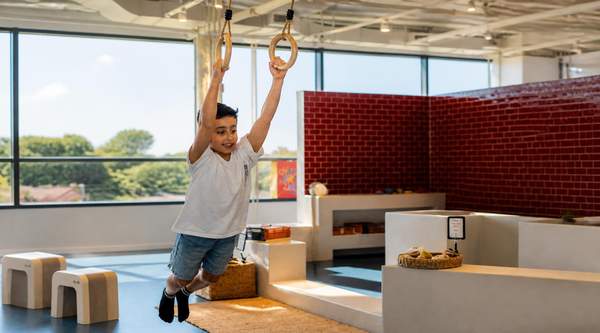
The Interplay of Immersion and Perception
Flow experiences also affect aesthetic judgments and behavioral outcomes in cultural tourism commercial spaces, as detailed by PMC. This creates a powerful feedback loop: immersive “flow” states shape how visitors perceive and value a cultural space's aesthetics. Deep engagement amplifies a visit's impact and memorability, transforming simple viewing into a rich, personal encounter that drives future interest.
Experience Economy: A Lifeline for Heritage Funding
Intangible Cultural Heritage (ICH) tourism development alleviates pressure on ICH protection funds, according to Frontiers in Psychology. This presents a crucial economic incentive for cultural institutions to embrace the experience economy. Commercial success and visitor engagement directly link to ICH preservation. Active participation becomes a direct financial lifeline for endangered cultural heritage, transforming tourists into unwitting patrons.
Common Questions About Cultural Experience Design
How is the experience economy changing how people consume culture?
The experience economy is transforming cultural consumption from passive observation to active participation. Instead of merely viewing artifacts, individuals now seek direct engagement, such as workshops, interactive exhibits, or storytelling sessions, shifting focus to personal connection. This change emphasizes memorable interactions over static displays.
What are examples of the experience economy in cultural engagement?
Examples include historical reenactments at heritage sites, interactive digital installations in museums, or culinary tours focused on traditional local foods. These offerings often involve visitors in the creative process or provide hands-on learning, creating a deeper sense of connection. Multi-experiences in art performance tourism, for instance, blend various art forms into a singular, immersive event, according to Taylor & Francis Online.
What is the impact of the experience economy on traditional cultural institutions?
Traditional cultural institutions face pressure to innovate and integrate interactive elements to remain relevant. Those resistant to change risk declining visitor numbers and financial viability. However, institutions that adapt can attract new audiences and secure additional funding streams for preservation efforts.
The Future of Cultural Consumption
The future of cultural consumption hinges on institutions' ability to create compelling, interactive experiences that resonate deeply with visitors. Cultural heritage sites that fail to integrate interactive, participatory elements into their commercial offerings risk undermining their relevance and long-term financial stability, according to PMC. The interplay between aesthetic judgments, flow experiences, and behavioral outcomes suggests that successful cultural commercial spaces master a subtle psychological art, turning immersive experiences into direct drivers of consumer spending and, by extension, heritage funding. By 2026, cultural organizations prioritizing immersive engagement will likely secure stronger visitor numbers and increased support for their preservation missions.