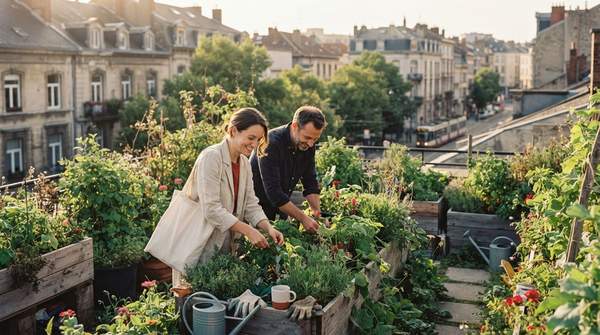
In an era defined by speed and efficiency, a counter-cultural movement known as "slow living" is gaining traction in the most unlikely of places: the city. Far from being a retreat to the countryside, this philosophy offers a framework for creating more balanced, fulfilling, and sustainable urban environments. It champions an intentional approach to daily activities, prioritizing quality over quantity and fostering deeper connections with people and the environment. The movement, which began as a reaction to fast food culture, has expanded to influence everything from fashion to urban planning. By examining the core tenets of this movement and its application through initiatives like the global Cittaslow network, a clear blueprint emerges for improving the quality of life in urban centers.
The Core Principles of Slow Living
The slow living philosophy is rooted in the idea that "fast" does not always mean "better." It encourages a more intentional and mindful approach to daily activities, resisting the fast-paced demands of modern society. This worldview is built on several key principles that can be applied directly to the urban experience, inviting individuals to make thoughtful choices that align with their values and ultimately create a more balanced life.
A foundational tenet is the prioritization of quality over quantity. This principle encourages a shift away from mass consumption and rapid experiences toward savoring the present moment. It applies to enjoying meals without rushing, spending undistracted time with loved ones, and choosing well-crafted goods over disposable ones. In essence, it is about finding greater satisfaction in fewer, more meaningful things.
Another key idea is fostering localism and community. The slow movement emphasizes strengthening connections with the people and places around us. This involves supporting local economies, engaging with neighbors, and participating in community life. By focusing on the local, the movement seeks to build resilience and a sense of belonging that can be lost in the anonymity of a large city.
Sustainability and a connection to nature are also central. Slow living promotes practices that use fewer resources and produce less waste, resulting in a lighter environmental impact. This principle encourages an awareness of the natural world, even within a dense urban setting, and advocates for choices that protect the planet for future generations.